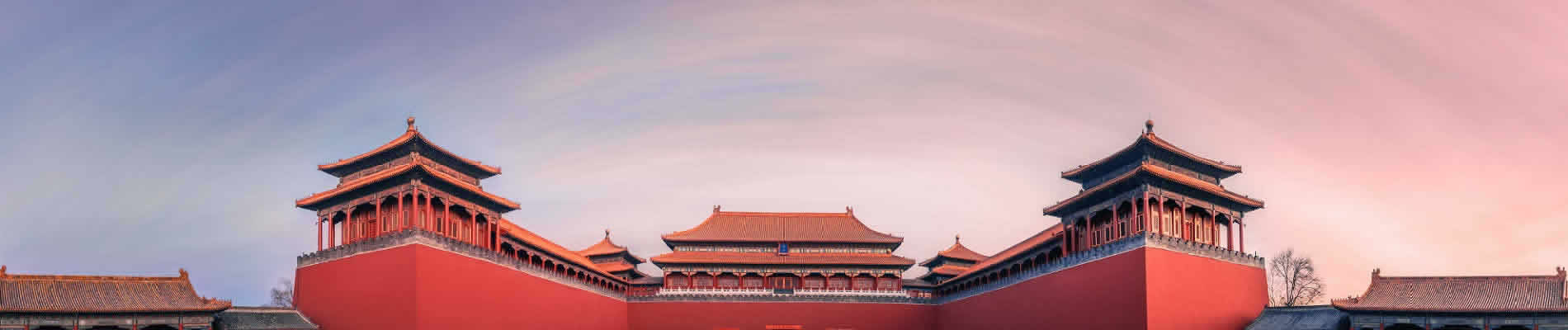
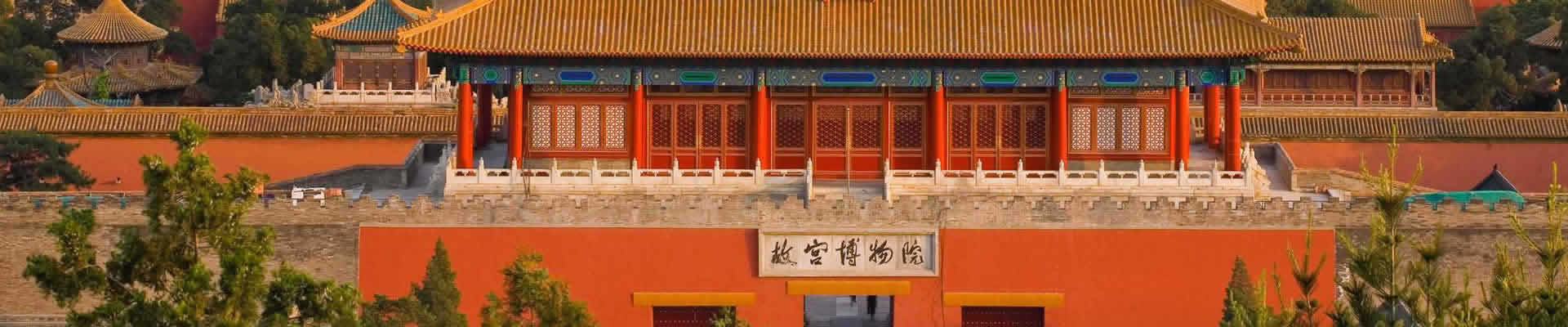
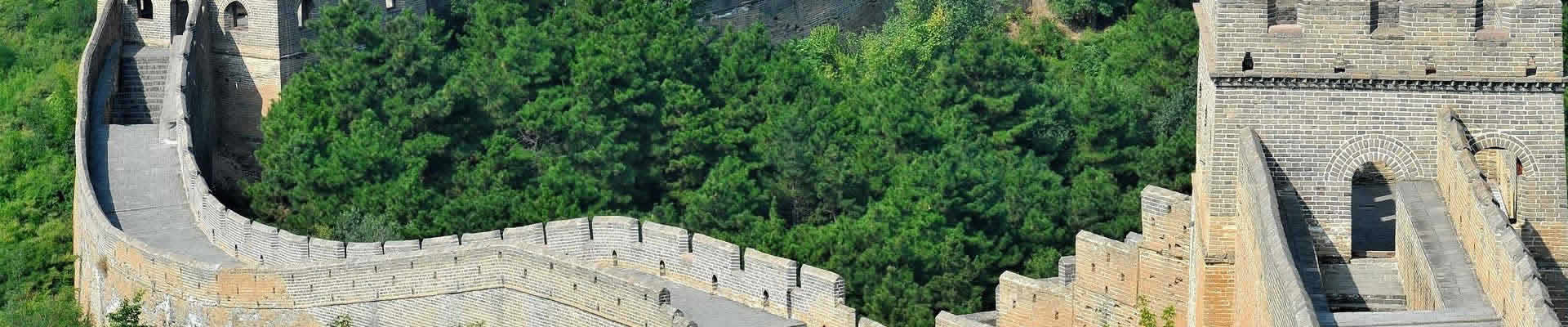
When people think of China, Beijing often comes to mind first. But why is Beijing the capital of China—and what makes it so important today? Understanding Beijing is not just about geography. It’s about history, politics, and the role the city continues to play in shaping the country. This guide will help you understand where Beijing is located, why it became the capital, and why it still matters today.
I. Quick Facts
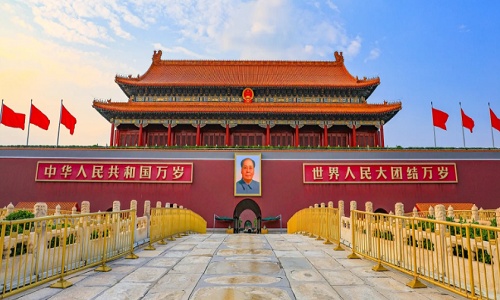
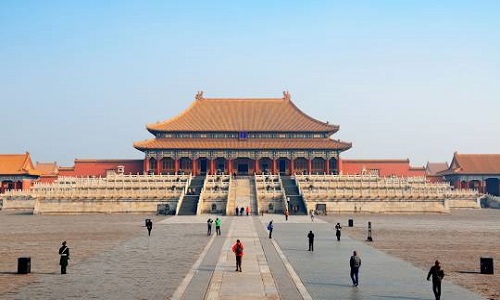
These bite-sized facts give you a clear snapshot of Beijing at a glance — perfect for quick reference and easy scanning.
• Official capital since: October 1, 1949 (People’s Republic of China)
• History as a Capital: Over 860 years (since 1153, Jin Dynasty)
• Geographic position: Northern China, on the North China Plain
• Core functions: Political, cultural, and diplomatic center
• Surrounding area: Bordered mostly by Hebei Province, close to Tianjin
• Time Zone: UTC+8 (China Standard Time)
• Population scale: Around 21.80 million permanent residents
• Unique honor: The only city in the world to host both Summer and Winter Olympic Games (2008 & 2022)
II. Where Is Beijing Located in China?
2.1 Geographical Location
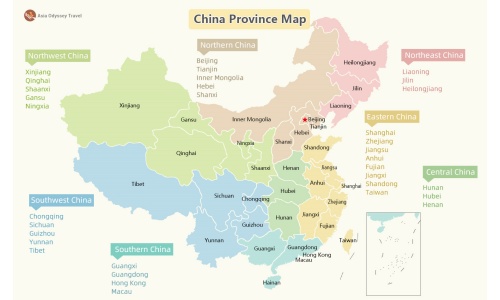
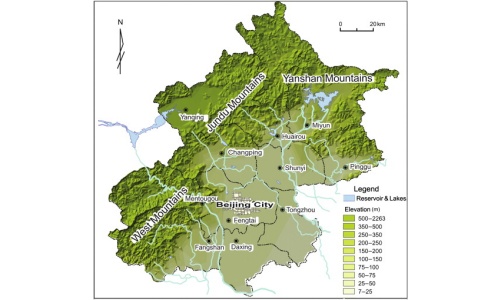
Beijing is located in northern China, on the northern edge of the North China Plain—a position that has influenced the city’s development for centuries.
What many maps don't show: Beijing is embraced by mountains.
• The Taihang and Yan Mountains rise to the north and west, forming a natural “armchair” that protects the city.
• The flat, fertile plain to the south stretches all the way to the Yellow River, providing abundant resources and stable governance.
This unique layout is no accident. For nearly a thousand years, the mountains served as a natural defense against northern threats, while the plains fed imperial cities. That’s why Beijing became an ideal place to build a capital.
Key Takeaways: In short, Beijing’s location made it both defensible and well-connected—two essential qualities for a capital city.
2.2 Why This Location Matters for Travelers

Close to the Great Wall: Thanks to its mountain proximity, sections like Mutianyu and Badaling are just 1.5 hours from downtown. You can enjoy coffee in Sanlitun in the morning and hike the Great Wall at noon.
Major transport hub: Beijing connects Northeast, North, and Northwest China, making it perfect for multi-city trips across China.
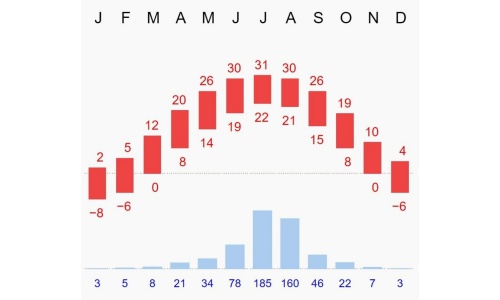
Four distinct seasons: Spring blossoms, summer greenery, golden autumn foliage, and peaceful winter scenery give you different travel experiences year-round.
Key Takeaways: The location makes Beijing not only politically important, but also a practical starting point for exploring China.
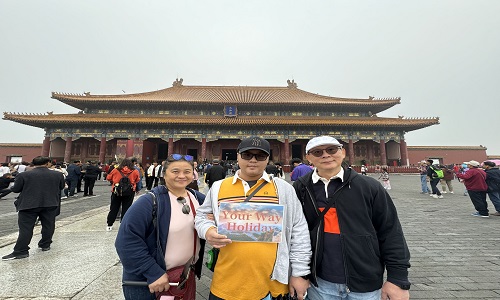 Beijing Day Tour: Experience the Best of the City’s Iconic Landmarks and Rich Heritage
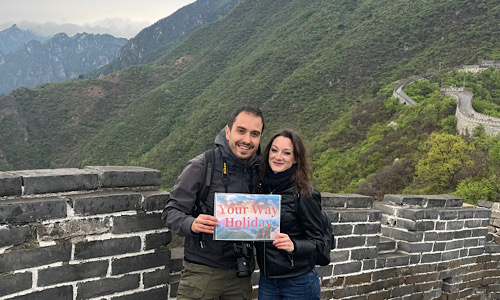 Beijing Trip Essentials: Full-Day Tour of Cultural and Historical Gems with Expert Guide
III. The Significance of Beijing as China’s Capital
Beijing’s status as China’s capital is not accidental—it is built on thousands of years of history, unique geographical advantages, and irreplaceable political and cultural weight.
3.1 When Did Beijing Become the Capital of China?
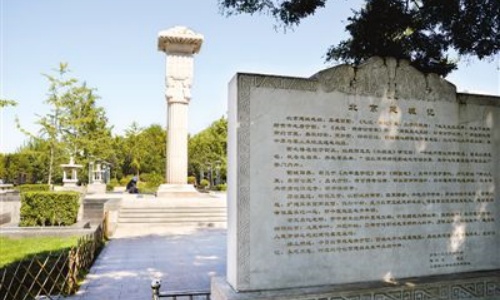
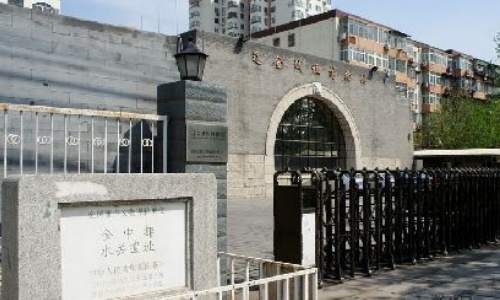
Beijing’s history as a capital spans more than 800 years, with each dynasty strengthening its political importance and shaping the city we see today.
Liao Dynasty (938): Beijing (then known as Yanjing) served as a secondary capital, marking the first step toward its political importance.
Jin Dynasty (1153): The Jin Dynasty officially made Beijing its capital under the name Zhongdu, the first time it became a formal national capital.
Yuan Dynasty: Kublai Khan rebuilt the city as Dadu, turning it into the political center of a unified China.
Ming Dynasty (1421): Emperor Yongle moved the capital from Nanjing to Beijing, formalizing its name and central position.
Qing Dynasty: The Qing continued to use Beijing as the capital, further developing its imperial architecture and administrative systems.
Modern Times: Since 1949, Beijing has been the official capital of the People’s Republic of China.
Key Takeaways: This long continuity established Beijing as the enduring center of political power in China.
3.2 What Was the Capital of China Before Beijing?
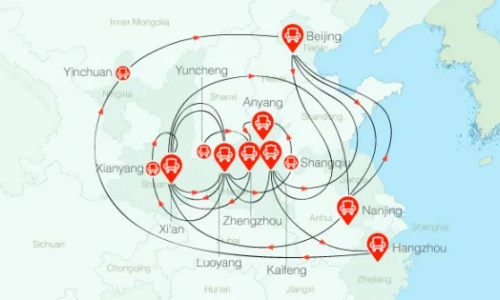
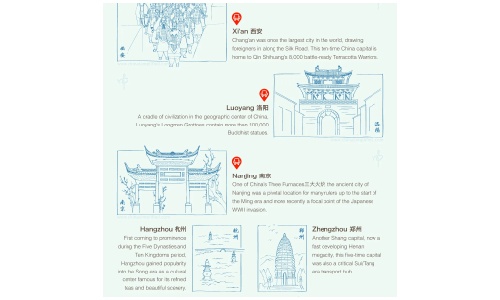
Before Beijing became the long-term capital, several cities held this important position in different dynasties.
Xi’an (Chang'an): Capital of the Han and Tang dynasties, and a major hub of the Silk Road and international exchange.
Luoyang: A key political and cultural center for multiple dynasties, known for its strategic location in the Central Plains.
Kaifeng: Capital of the Northern Song Dynasty, famous for its economic prosperity and advanced urban life.
Hangzhou: Capital of the Southern Song Dynasty, celebrated for its economy, culture, and scenic beauty.
Nanjing: Served as the capital in the early Ming Dynasty and during the Republican era.
Key Takeaways: Over time, Beijing emerged as the most stable and strategically suitable long-term capital.
3.3 Why Was Beijing Chosen as the Capital of China?
Beijing’s position as China’s capital is not a random choice, but a decision shaped by geography, history, security, culture, and national strategy over hundreds of years.
Superior military and strategic geography

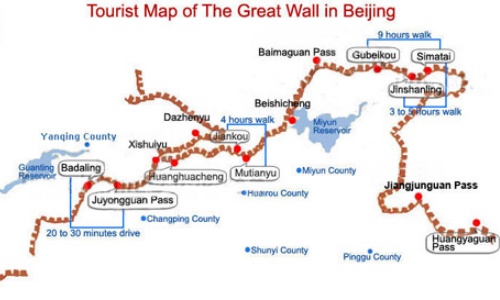
Beijing is protected by mountains on three sides — the Yan Mountains to the north and west form a natural defensive barrier, making it easy to guard against northern threats while maintaining stable control over the central plains. This unique terrain made it extremely safe for an imperial capital in ancient times and still supports national stability today.
Long-term historical accumulation and political legitimacy
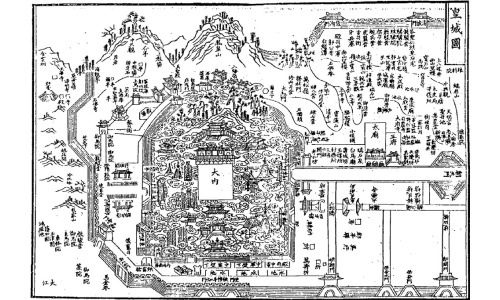
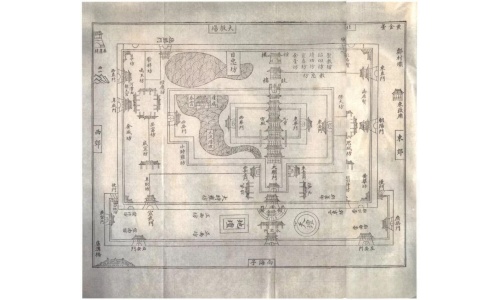
As early as the Liao and Jin dynasties, Beijing had become an important political city. It served as the formal capital of the Yuan, Ming, and Qing dynasties for more than 800 years. This long history gave it deep institutional traditions, cultural symbolism, and wide recognition, making it the most legitimate choice for a national capital.
Balance between north and south for national unity
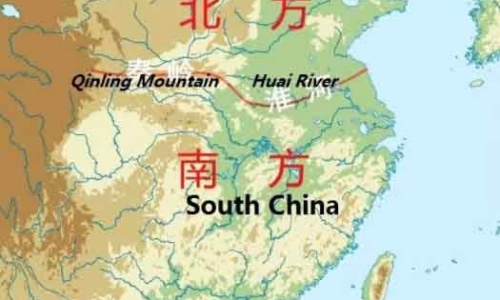
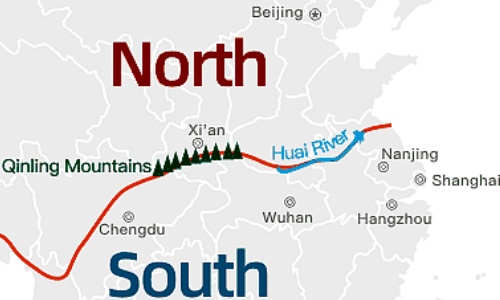
China’s economic centers have long been in the south, while military and ethnic integration pressures were mainly in the north. Choosing Beijing as the capital helped balance political control in the north and economic connections in the south, strengthening national unity and reducing regional separation.
Complete cultural and urban foundation
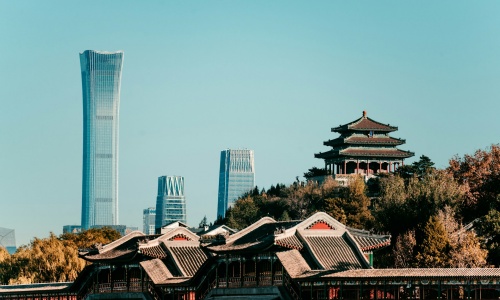
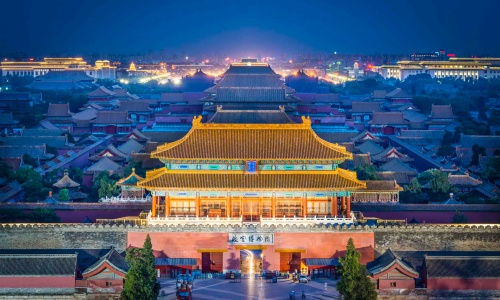
Beijing preserves the most complete imperial buildings, ritual systems, and cultural traditions in China. It is home to countless historical relics that represent Chinese civilization. These irreplaceable cultural resources make it the best city to carry China’s national identity and cultural image.
Mature transportation and governance conditions
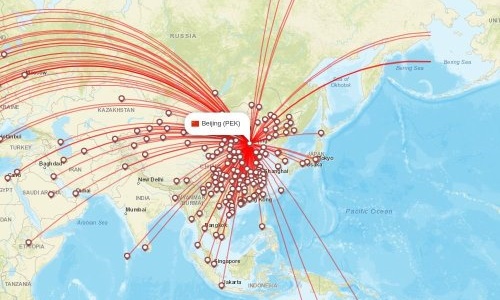
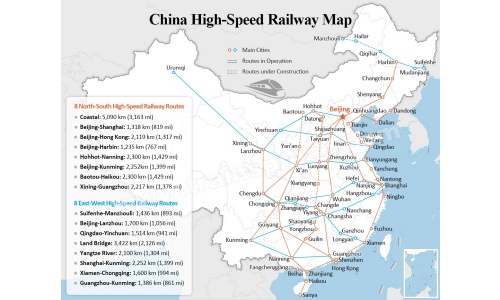
Even in modern times, Beijing’s location in northern China allows it to connect Northeast China, North China, and Northwest China efficiently. Its mature urban governance, complete public facilities, and strong international exchange functions further support its role as the national capital.
3.4 What Makes Beijing Different from Other Chinese Cities
While many cities in China are economically powerful or historically rich, Beijing stands out as the only city that unites supreme political authority and unmatched cultural legacy in one place. This rare mix makes it irreplaceable as the national capital.
Political vs economic roles
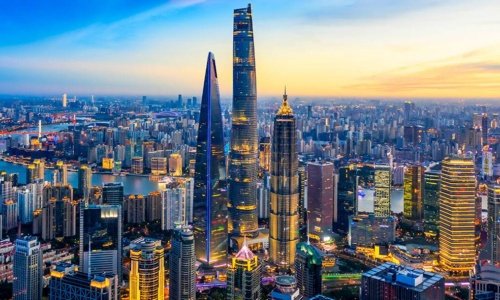
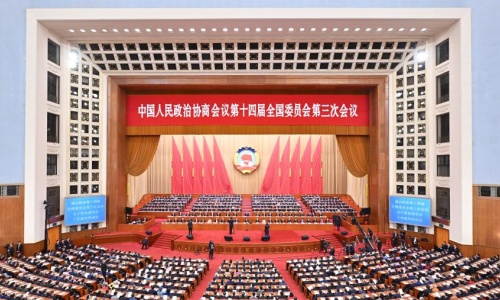
Cities like Shanghai are global centers of finance, trade, and business, driving China’s economic growth and international market connections. Beijing, however, is not defined by commerce—it is the core of national governance, policy-making, and state affairs. Every key national decision and diplomatic strategy originates here, giving it a unique political weight no other Chinese city can match.
Historical depth vs modern growth
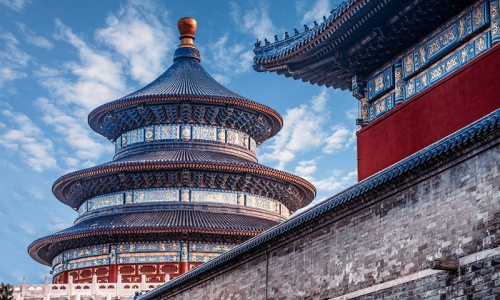
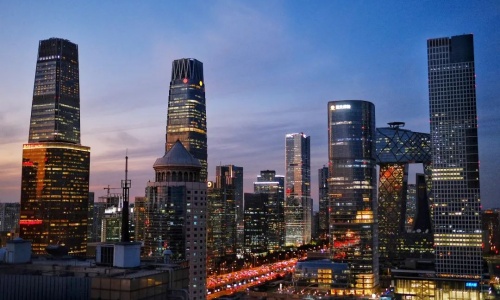
Places such as Shenzhen stand for fast-paced modernization and technological breakthroughs, built as symbols of China’s rapid development in recent decades. Beijing, by contrast, carries an unbroken history of more than 800 years as a legitimate imperial and national capital. It preserves continuous political and cultural traditions while embracing modernity, creating a balance few cities in the world can achieve.
Cultural authority
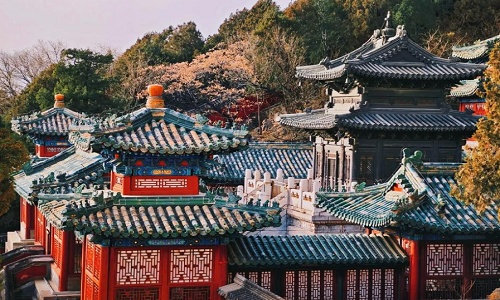
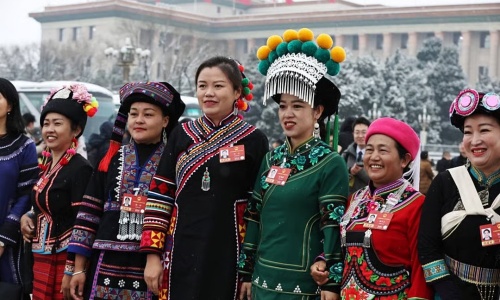
Beijing is home to China’s most significant imperial sites, historic relics, and intangible cultural heritage, including the Forbidden City, Temple of Heaven, and classic Beijing traditions. These landmarks and living customs make it the most powerful symbol of Chinese national identity. No other city carries such a strong and widely recognized cultural status for the whole nation.
IV. Why Beijing Is the Heart of the Nation
Beijing is more than just a capital—it is the spiritual, cultural, and developmental heart that connects the whole nation.
4.1 Cultural Heart: The Soul of Chinese Civilization
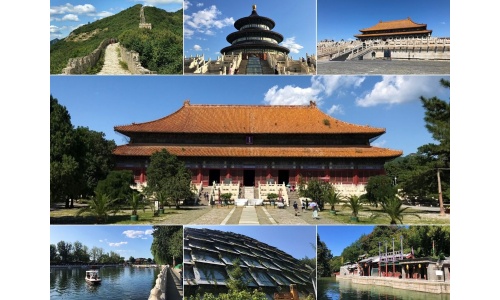
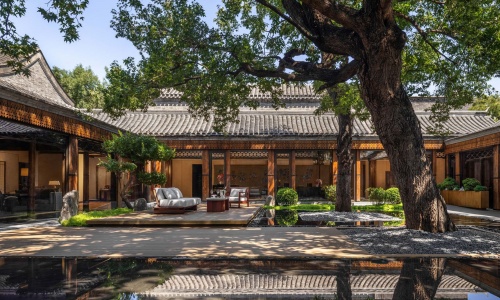
As the cultural heart of China, Beijing preserves the most precious heritage of the country. It is home to world-famous UNESCO World Heritage Sites including the Forbidden City, Temple of Heaven, Summer Palace, and the Great Wall, each representing the highest level of ancient Chinese architecture and art.
Walking through narrow hutongs and traditional courtyard houses, watching elegant Peking Opera performances, tasting authentic Peking duck, and joining folk festivals allow you to experience living Chinese traditions that have been passed down for hundreds of years. Museums, intangible cultural heritage workshops, and art venues further keep this ancient civilization alive and dynamic.
4.2 Economic & Technological Heart: Driving National Progress
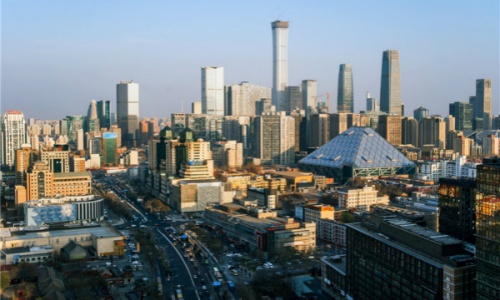
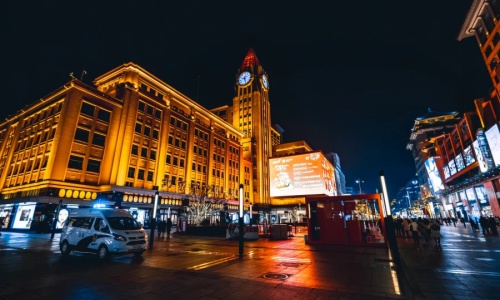
Beijing is also a powerful engine driving China’s modern development. Zhongguancun, known as “China’s Silicon Valley,” gathers top tech companies, research institutions, and innovative talents, leading breakthroughs in digital technology, artificial intelligence, biotechnology, and other cutting-edge fields.
The central business district with skyscrapers like China Zun shows the city’s modern economic strength. Commercial areas such as Wangfujing and Sanlitun combine international brands, local creative designs, and diverse dining, making Beijing a vibrant center for consumption, fashion, and urban life.
4.3 Social & Spiritual Heart: The Spirit of Beijing
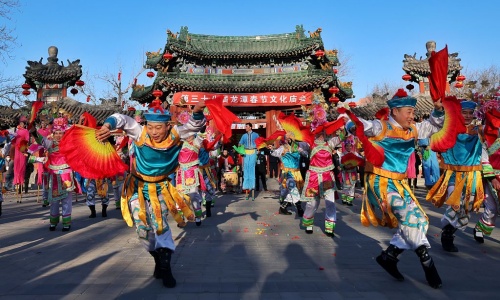
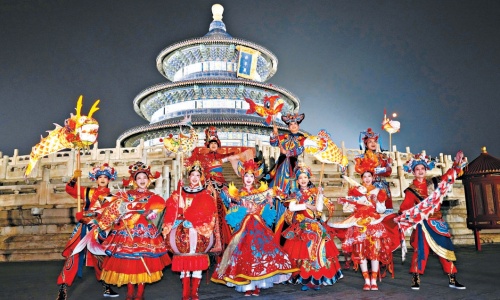
The real charm of Beijing lies in its unique urban spirit and inclusive culture. Local residents are known for being warm, straightforward, and hospitable, welcoming visitors from all over the world with an open attitude.
The city perfectly blends imperial tradition and modern fashion, local customs and global culture, allowing you to see ancient temples next to creative parks and traditional markets beside international office buildings. Festivals such as Spring Festival temple fairs, Mid-Autumn celebrations, and National Day ceremonies showcase the unity, vitality, and cultural confidence of the city and the whole nation.
Key Takeaways: In many ways, Beijing represents how China governs, remembers its past, and engages with the future.
V. How Beijing Compares to Other World Capitals
Beijing stands alone among global capitals because it combines imperial history, political centrality, and modern influence in one city.
Compared to Washington, D.C.
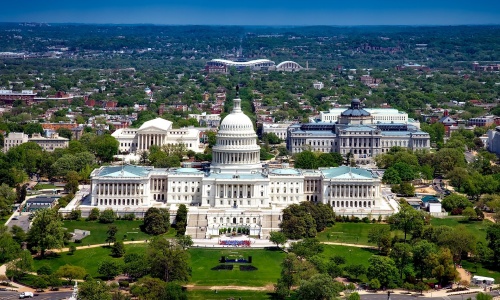
Common features: Both cities serve as political centers rather than economic hubs, focusing on governance, diplomacy, and national identity.
Differences: Washington is only a political capital with limited historical depth.Beijing is a political center and a living imperial capital with thousands of years of heritage.
Compared to Tokyo
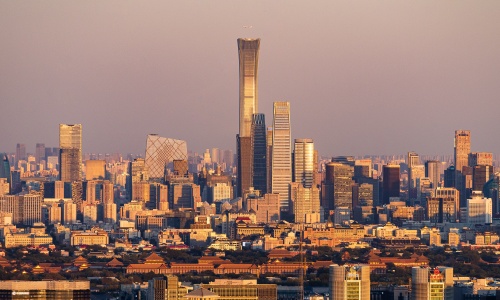
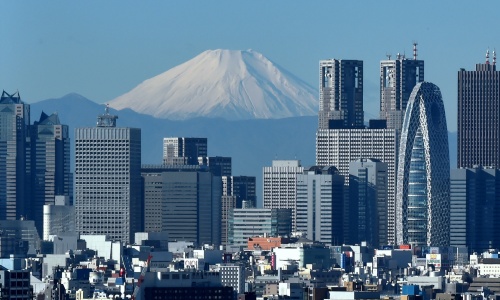
Common features: Like Tokyo, Beijing blends deep historical traditions with modern urban development, creating a balance between past and present.
Differences:Tokyo is modern and economic but less politically symbolic.Beijing is the absolute political, cultural, and diplomatic core of China.
Compared to Paris
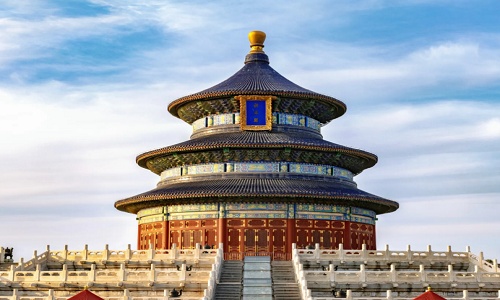
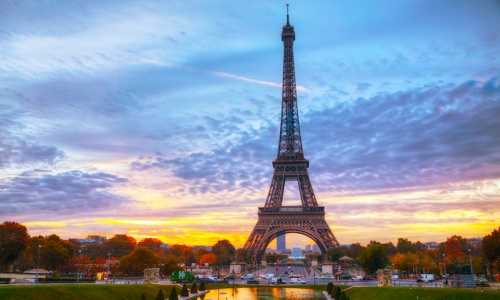
Common features: Both cities act as cultural symbols of their nations, with strong historical influence and global recognition.
Differences: Paris is a cultural icon but no longer a strategic military center.Beijing remains the strategic and cultural heart of the world’s most populous nation.
What Truly Makes Beijing Unique
• A thousand-year imperial capital still in use.
• The political command center of a major global power.A world-famous cultural symbol.
• A bridge between ancient civilization and modern global influence.
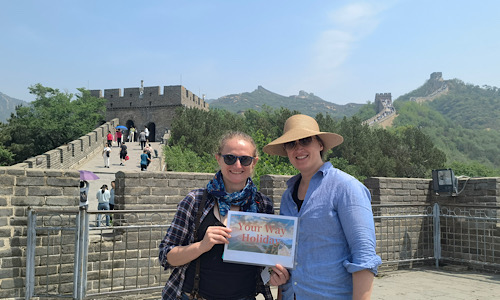 A Day of Legends: Mutianyu Great Wall & Summer Palace in One Epic Beijing Tour
 Half day Beijing Travel Guide: Summer Palace & Beijing Old Hutong with Rickshaw Ride
VI. Common Misconceptions About Beijing
Myth 1: Beijing is China’s largest city
Fact: Shanghai has a larger population and higher economic volume; Beijing leads in political status, cultural influence, and international image.
Myth 2: Beijing is only an old historical city
Fact: It combines imperial heritage with cutting-edge technology, modern business districts, and global lifestyle, making it both traditional and fashionable.
Myth 3: Shanghai should be the capital instead of Beijing
Fact: Beijing and Shanghai have completely different roles. Beijing is the political, cultural, and international exchange center with a thousand-year capital history. Shanghai is China’s economic and financial center. The two cities complement each other, and Beijing’s historical, geographical, and strategic advantages make it the only suitable capital.
Myth 4: Beijing is too traditional compared to other global cities
Fact: Beijing blends ancient culture with modern innovation. From tech hubs and startups to fashion, design, and contemporary culture, the city is constantly evolving while maintaining its historical identity.
VII. How Understanding Beijing Enhances Your Trip
Visiting Beijing is not just about seeing famous landmarks—it’s about understanding what those places represent. Knowing why Beijing is China’s capital can transform a standard trip into a much deeper and more meaningful experience.
Landmarks with deeper meaning
Many of Beijing’s top attractions are closely tied to its role as the capital. The Forbidden City, for example, is not just a historical site—it was the center of imperial power for centuries. Similarly, Tiananmen Square reflects modern China’s political identity and national symbolism.
A more connected travel experience
Understanding Beijing’s layout as a capital helps travelers make sense of the city. From the central axis to government districts and cultural landmarks, the urban structure reflects centuries of planning around power, ceremony, and governance.
Better choices for multi-city travel
Because of its central role, Beijing is often the starting point for exploring China. Its strong transportation network makes it easy to connect to other major destinations, whether you’re heading to historic cities, natural landscapes, or economic hubs like Shanghai.
Travel with context, not just photos
Without context, Beijing can feel like a collection of famous sights. With context, it becomes a story about how China was built, governed, and continues to evolve today. This deeper understanding often becomes the most memorable part of the journey.
For travelers looking to go beyond surface-level sightseeing, Beijing offers a journey into the political and cultural heart of China.
Top Experiences in Beijing Recommended by Your Way Holiday
We design private and Tailor-made Beijing Tours customized to your style of travel at affordable local prices. We will provide a private & spacious car and a local professional tour guide with over 5 years guiding experience only work for you or your group. Transport, ticket, and dining (We find the most authentic dishes popular with locals) all we will arrange for you according your requirements. Please check our most popular tours below:
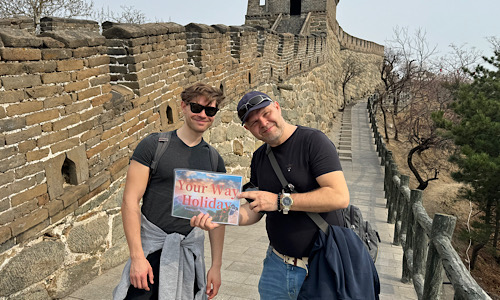 Embark on Beijing Tours: Experience a Full-Day Beijing Great Wall Tour to Badaling Great Wall and Ming Tombs
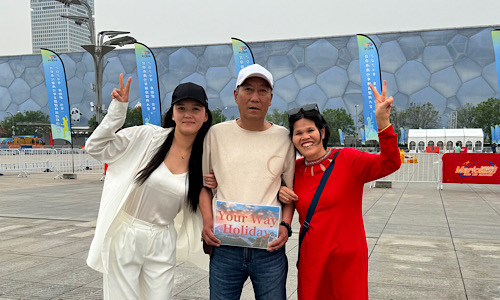 All-inclusive 3-Day Beijing Private Tours: Uncover Historical Wonders and Contemporary Highlights
Are the above sample tour programs not suitable for you? Dont worry, our Beijing tours can be tailor-made based on your requirements and budget to create unique Beijing experiences that allow you to interact with the local people and culture. We are Beijing travel experts who know what your guidebook and foreign agencies don't. Our enthusiastic tour expert will promptly reply you in details within 24 hours.
Prev: Beijing China Weather – Best Time to Visit and Monthly Temperature Guide
Next: The History of Beijing: A Complete Guide to the Capital's Rich Cultural Heritage
Wechat: YourWayHolidayAsia
24 Hours Hotline:
+86 137-3541-1378
* Authentic Experiences: Genuine local experiences that immerse you in the true essence of Beijing and beyond.
* Safety First: Highest safety standards with secure activities and reliable transportation.
* Customizable Tours: Flexible itineraries tailored to your interests and needs.
* Local Expertise: In-depth knowledge of Beijing and China, offering exclusive insights.
* Professional Guides: Licensed bilingual guides with over 5 years of experience.
* Comfortable Travel: Experienced drivers and well-maintained vehicles for a smooth journey.
* Sustainable Tourism: Commitment to responsible tourism and supporting local communities.
* Customer-Focused: Personalized service and continuous improvement based on your feedback.
* Free Cancellation: Cancel up to 24 hours before travel for flexibility and peace of mind.
* 24/7 Support: Round-the-clock assistance for any questions or help needed.
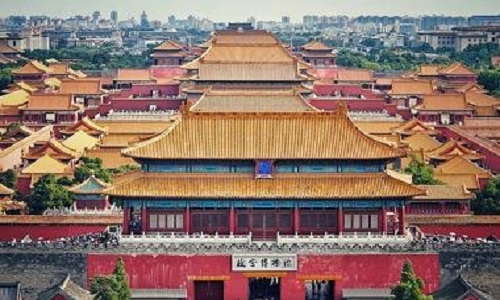 Forbidden City Beijing: Ultimate Tour Guide to China’s Imperial Palace
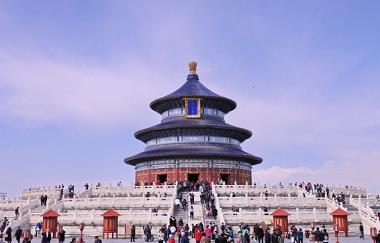 Temple of Heaven
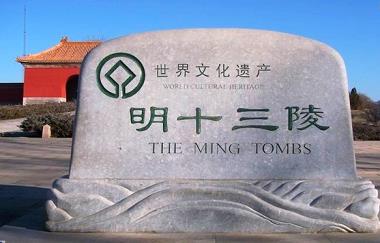 Ming Tombs
 Exploring the Summer Palace Beijing: A Complete Guide to China’s Most Iconic Royal Garden
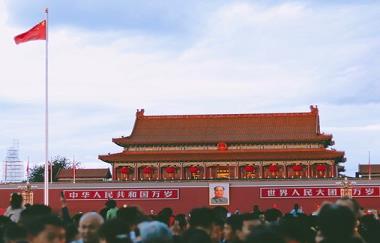 Tiananmen square
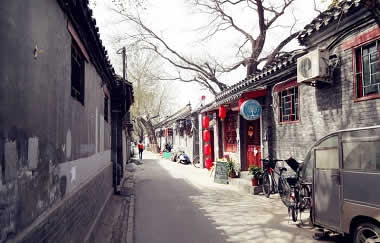 Beijing Hutongs: A Living Tapestry of Time
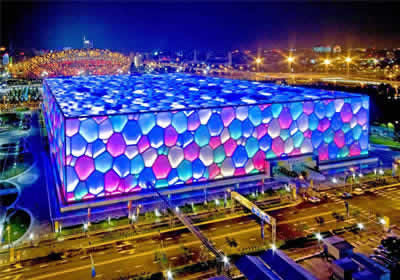 Water Cube
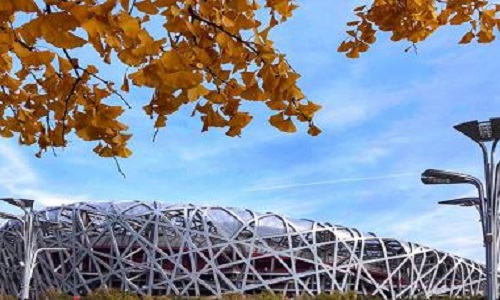 Beijing Bird's Nest – Explore the Iconic National Stadium Beijing
1 to 1 tailor-made service from our professional travel advisors for the most sophisticated
Constantly excellent reviews for attraction, hotel and service Competitive price
Local experts provide quality tours Best selected knowledgeable local guides Authentic local restaurants
7*24 hours available to create you a worry-free tour. No Hidden Fees and absolutely no pressure to buy. Secured









Copyright © 2017 Chinabeijingprivatetour.com All rights reserved. 浙ICP备18056007号-2