Introduction
Beihai Park located in the center of Beijing City, which is a public park and former imperial garden.
It was first built in the 11th century, it is among the largest of all Chinese gardens and contains numerous historically important structures, palaces, and temples. The Beihai Park, as with many of Chinese imperial gardens, was built to imitate renowned scenic spots and architecture from various regions of China;The structures and scenes in the Beihai Park are described as masterpieces of gardening technique that reflects the style and the superb architectural skill and richness of traditional Chinese garden art.
In 1925, the place opened to be a public park. It is also connected at its northern end to the Shichahai.It is one of the most famous and beautiful parks in Beijing, Beihai is also one of the earliest examples of Asian-style gardening in the world.Beihai park is one of the oldest and best-preserved imperial gardens,
History
The history of Beihai Park can dated back to 1000 years ago,had something to do with the development of Beijing City.
It was founded by Qidans from the North in the Liao Dynasty, and Yanjing( present Beijing) became the secodary capital in 938.On the northeastern outskirts of the city, there was a vast lake called the "Golden Sea." It was the lake that was to become Beihai Lake.  In 1179, Emperor Zhangzong of the Jin dynasty had a country resort built northeast of Zhongdu, the Jin capital, located in the southwestern part of modern Beijing. Taiye Lake was excavated along the Jinshui River and Daning Palace was erected on Qionghua Island in the lake.
In the Yuan Dyansty, during the regin of Kublai Khan,the Qionghua island was redesigned by various architects and officials.Taiye Lake was enclosed in the Imperial City of Yuan's new capital Dadu
After the Ming dynasty moved its capital to Beijing, construction on the existing Imperial City began in 1406. At this time, the Taiye Lake were divided into three lakes by bridges, Northern Sea (Beihai,??), Central Sea (Zhonghai,??) and Southern Sea (Nanhai,??). The lakes were part of an extensive royal park called Xiyuan,which means western park in the west part of the Imperial City, Beijing.
Before Beihai was opened to the public in 1925, it had been closed for more than 10 years for the revolution of China politics.
Highlights of Beihai Park
White Pagoda:The White Pagoda or white tower with 40-meter in high.Standing on the highest point on Jade Flower Island, built to honour the visit of the 5th Dalai Lama in 1651. Its body is made of white stone. Sun, moon and flame engravings decorate the surface of the tower.It was destroyed by a earthquake in 1679 and rebuilt in the following year.Inside the structure are Buddhist scriptures, monk's mantles and alms bowl, and the bones of monks.

Five-Dragon Pavilions: To the southwest of the Nine-Dragon Screen lies the Five-Dragon Pavilions - five connected pavilions with spires and pointed upswept eaves. From a distance, they appear together like a huge dragon. Built first in 1602 and repaired several times in Qing Dynasty, these five pavilions, half over the water, stand on the north bank of the lake opposite the Jade Flowery Islet. There are many exquisite carvings and paintings on the girders and pillars of the pavilions which make the Five-Dragon Pavilions a delightful place for the royal members in ancient China to relax and appreciate the natural beauty.
Nine Dragon Wall: A Nine-Dragon Wall or Nine-Dragon Screen is a type of screen wall with reliefs of nine different Chinese dragons. Such walls are typically found in imperial Chinese palaces and gardens.The Nine-Dragon Wall lies north of the Five-Dragon Pavilion. It was built in 1402 and is one of three walls of its kind in China. It is made of glazed bricks of seven-colors. Nine complete dragons playing in the clouds decorate both sides of the wall.

The Round City: A spacious building with a double-eaved roof made of yellow glazed tiles bordered in green. Inside there is a 1.6 m tall Buddha presented to the Guangxu Emperor of the Qing dynasty by a Khmer (Cambodian) king. It is carved from a single piece of pure white jade inlaid with precious stones. The Eight-Nation Alliance damaged the statue's left arm in the Battle of Beijing in 1900.
Information
Admission Fee: CNY10 for peak season, CNY5 for low season;CNY10 for Qionghua Island and CNY5 for Big boat dock.
Opening Hours:
6: 00-22;00(Qionghua Island 8:30-18:00; Big boat dock 9:00-18:00; Samll boat dock 9:00-18:00)
Time for Visit:3 hours
How to get to Beihai Park
Bus Route:
1. Take bus 5, 101, 103, 109, 124, 128 or tour bus 1 or 2 and get off at Beihai Station.
2. Take bus 3, 13, 42, 107, 111, 118, 612, 701 or tour bus 3 to Beihai Beimen (North Gate of Beihai Park) Station.
Metro Route:
Take Subway Line 6 and get off at Beihai Bei Station. Go out from Exit B and walk 5 minutes east to get to the north gate of the park.
Prev: Lama Temple
1. What is Beihai Park?
Beihai Park located in the center of Beijing City, which is a public park and former imperial garden. It was first built in the 11th century, it is among the largest of all Chinese gardens and contains numerous historically important structures, palaces, and temples. The Beihai Park, as with many of Chinese imperial gardens, was built to imitate renowned scenic spots and architecture from various regions of China.
2. What is the tickets and opening hours of the Beihai Park?
Admission Fee: CNY10 for peak season, CNY5 for low season;CNY10 for Qionghua Island and CNY5 for Big boat dock.
Opening Hours: 6: 00-22;00(Qionghua Island 8:30-18:00; Big boat dock 9:00-18:00; Samll boat dock 9:00-18:00)
Note: Free of charge for children under 120cm (3.9 feet), or less than 6 years old; Minors between 6-18 years old enjoy half price.
3. How to get to Beihai Park?
Bus Route: Take bus 5, 101, 103, 109, 124, 128 or tour bus 1 or 2 and get off at Beihai Station; Take bus 3, 13, 42, 107, 111, 118, 612, 701 or tour bus 3 to Beihai Beimen (North Gate of Beihai Park) Station.
Metro Route: Take Subway Line 6 and get off at Beihai Bei Station. Go out from Exit B and walk 5 minutes east to get to the north gate of the park.
4. What we can see in Beihai Park? What is the highlight?
1)White Pagoda:The White Pagoda or white tower with 40-meter in high.Standing on the highest point on Jade Flower Island, built to honour the visit of the 5th Dalai Lama in 1651. Its body is made of white stone. Sun, moon and flame engravings decorate the surface of the tower.It was destroyed by a earthquake in 1679 and rebuilt in the following year.
2)Five-Dragon Pavilions: To the southwest of the Nine-Dragon Screen lies the Five-Dragon Pavilions - five connected pavilions with spires and pointed upswept eaves. From a distance, they appear together like a huge dragon.
3)Nine Dragon Screen: A Nine-Dragon Wall or Nine-Dragon Screen is a type of screen wall with reliefs of nine different Chinese dragons. Such walls are typically found in imperial Chinese palaces and gardens.
4)The Round City: A spacious building with a double-eaved roof made of yellow glazed tiles bordered in green. Inside there is a 1.6 m tall Buddha presented to the Guangxu Emperor of the Qing dynasty by a Khmer (Cambodian) king.
5. Is there any discount for the children?
1) Free of charge for children under 120cm (3.9 feet), or less than 6 years old.
2) Minors between 6-18 years old enjoy half price.
Duration:7-8 Hours
Attractions(Cities):Tiananmen Square, Forbidden City, Temple of Heaven, Summer Palace
Tour Style:One day, four Beijing essentials — Tiananmen Square, the Forbidden City, the Temple of Heaven and the Summer Palace — with a private English-speaking guide and your own air-conditioned car and driver. Itineraries run daily, take 7–8 hours door to door, and can start from your Beijing hotel, a train station or the airport arrivals gate. Your guide walks you through Ming (1368–1644) and Qing (1644–1911) palace courts with real dates instead of legend, then takes you to a genuine local kitchen for Peking Duck — you order, you pay for what you eat, and vegetarian, halal or lighter meals are easy to arrange. Want to fold in Tai Chi at the Temple of Heaven, a hutong morning market, Peking Opera or Hanfu photos? Just tell us; the car and the day are yours.
Duration:2 Days, 1 Night
Attractions(Cities):Temple of Heaven, Tiananmen Square, Forbidden City, Nanluoguxiang, Mutianyu Great Wall, Summer Palace
Tour Style:Two days, one night, six Beijing essentials — with a private English-speaking guide, your own car and driver, and one overnight in a city-centre four-star. Day one: Tiananmen Square, the Forbidden City (3,400-metre red wall, 980 buildings), a hutong lunch stop, the Temple of Heaven, then evening on Nanluoguxiang. Day two: an early start to the Mutianyu Great Wall — cable car up, optional toboggan down — then the Summer Palace and its 728-metre Long Corridor before drop-off at your hotel, station or airport. Tell us if you want to fold in Peking Duck, 798 Art District, flag-raising at dawn, Chinese acrobatics, a street-snack crawl or Hanfu photos.
Duration:3 Days, 2 Nights
Attractions(Cities):Tiananmen Square, Forbidden City, Temple of Heaven, Jingshan Park, Summer Palace, Kunming Lake Boat Riding, Nanluoguxiang, Panjiayuan Antique Market, Mutianyu Great Wall, Bird's Nest, Water Cube
Tour Style:Three days, two nights in a city-centre four-star, eleven Beijing essentials and a private English-speaking guide, your own air-conditioned car and a professional driver for the whole trip. Day 1: Tiananmen Square, the Forbidden City (3,400-metre red wall, 980 buildings), Jingshan Park for the north panorama over golden roofs, evening on Nanluoguxiang. Day 2: the Mutianyu Great Wall — cable car up, optional toboggan down — back through the city for a walk around the Bird’s Nest and Water Cube lit up. Day 3: the Temple of Heaven, the Summer Palace with a boat on Kunming Lake, and a slow hour at the Panjiayuan antique market before drop-off at your hotel, station or airport. Lunch isn’t included — your guide takes you to genuine local kitchens and you pay for what you eat.
Duration:5 Days, 4 Nights
Attractions(Cities):Mutianyu Great Wall, Bird's Nest, Water Cube, Qianmen Street, Morning Market, Forbidden City, Tiananmen Square, Jingshan Park, Temple of Heaven, Nanluoguxiang, Facial Makeup Painting, 798 Art Zone
Tour Style:Five days, four nights in a city-centre Beijing hotel with a private English-speaking guide, your own car and a professional driver. This is the ‘beyond the surface’ version of Beijing — yes, Tiananmen Square, the Forbidden City (3,400-metre red wall, 980 buildings), Jingshan Park for the golden-roof panorama, the Temple of Heaven and the Mutianyu Great Wall are all in, but the tour also threads in a dawn hutong morning market, a face-painting workshop with a working Peking Opera artist, the 798 Art District’s galleries and cafés, an evening at Qianmen pedestrian street, and a slow look at the Bird’s Nest and Water Cube at the old Olympic Park. Lunch isn’t included on purpose — your guide takes you to genuine local kitchens each day and you pay for what you eat. Drop-off on Day 5 at your Beijing hotel, station or airport.
Duration:10+ Hours
Attractions(Cities):Terracotta Warriors and Horses Museum
Tour Style:A long but focused day trip to the Terracotta Warriors and Horses Museum. Your private English-speaking guide and car meet you at your Xi’an hotel, train station or airport (arrive from Beijing by G-series high-speed rail — 4.5–6 hours, or an early flight if you prefer). Lintong, 35 km east of Xi’an, holds roughly 8,000 life-size clay soldiers, horses and chariots buried with the first emperor Qin Shi Huang around 210 BC and rediscovered by farmers digging a well in 1974 (UNESCO-listed). You’ll cover Pit 1, Pit 2, Pit 3 and the bronze-chariot museum at a proper pace, break for lunch at a local noodle kitchen on your own bill, and finish back at your Xi’an pickup point or the station for the evening train. Total door to door: 10+ hours.
Wechat: YourWayHolidayAsia
24 Hours Hotline:
+86 137-3541-1378
Certificate of Excellence
2012~2026

Your Way Holiday
(Your Privacy is Protected)
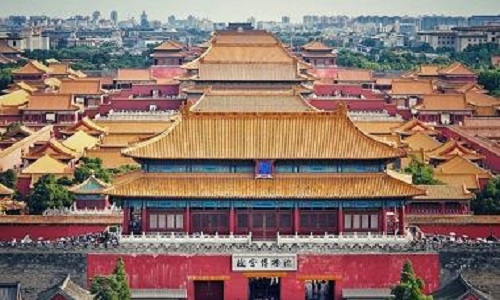 Forbidden City Beijing: Ultimate Tour Guide to China’s Imperial Palace
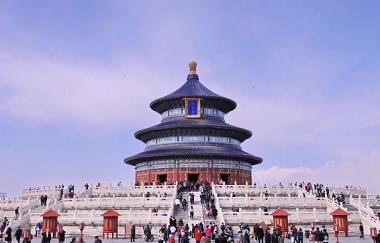 Temple of Heaven
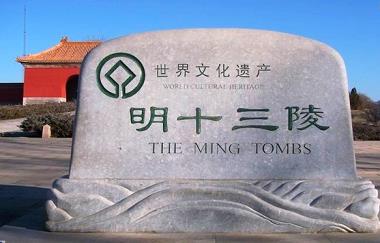 Ming Tombs
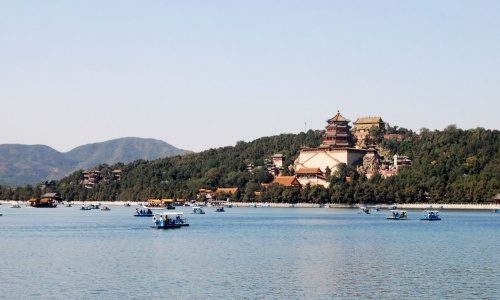 Exploring the Summer Palace Beijing: A Complete Guide to China’s Most Iconic Royal Garden
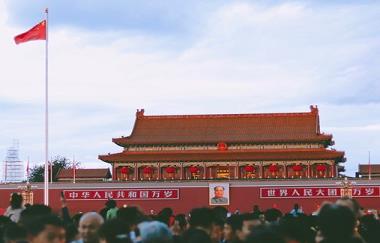 Tiananmen square
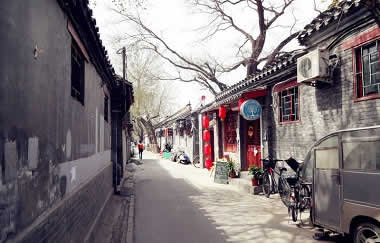 Beijing Hutongs: A Living Tapestry of Time
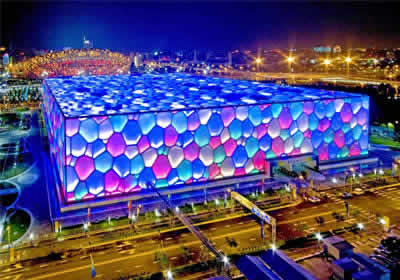 Water Cube
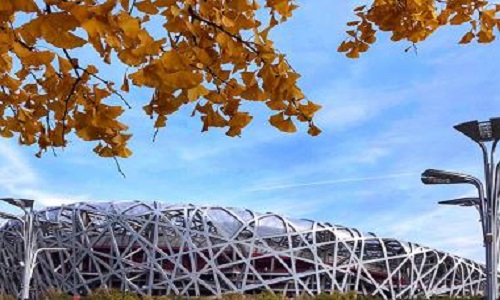 Beijing Bird's Nest – Explore the Iconic National Stadium Beijing
1 to 1 tailor-made service from our professional travel advisors for the most sophisticated
Constantly excellent reviews for attraction, hotel and service Competitive price
Local experts provide quality tours Best selected knowledgeable local guides Authentic local restaurants
7*24 hours available to create you a worry-free tour. No Hidden Fees and absolutely no pressure to buy. Secured









Copyright © 2017 Chinabeijingprivatetour.com All rights reserved. 浙ICP备18056007号-2