


Traveling through Beijing on a layover? The Visa-Free Transit program offers a fantastic opportunity to explore one of the world’s most historic cities without the hassle of applying for a visa. Whether you're here for just a few hours or a couple of days, this policy allows you to step out of the airport, visit iconic landmarks like the Great Wall or the Forbidden City, and immerse yourself in the local culture. But how do you know if you're eligible for this convenient option? Let’s dive into the details and check if you can take advantage of this easy transit option on your next trip to Beijing!
What is Visa-Free Transit?
Visa-Free Transit allows travelers to enter Beijing (and other parts of China) without needing a traditional visa for a brief period, usually up to 144 hours (6 days), if they meet certain requirements. This program is ideal for travelers with layovers or transit times who want to explore the city without the hassle of visa applications. Unlike traditional visas, which require extensive paperwork and approval from a Chinese embassy, Visa-Free Transit offers a quick and efficient way to make the most of your time in Beijing.
Key Differences Between Visa-Free Transit and Traditional Visas:
· Visa-Free Transit
No need to apply for a visa in advance.
Available at select entry points, such as Beijing, for layovers of up to 144 hours.
Just meet the eligibility requirements and enjoy your layover.
· Traditional Visa
Requires an application process.
Often needs approval from a Chinese embassy or consulate.
May require an interview and can take several weeks to process.
Visa-Free Transit is a fast-track way to explore China during your layover, and it's designed to save you time, money, and stress. Instead of spending hours or days waiting at the airport, you can visit historical sites, enjoy local cuisine, and experience the cultural beauty of Beijing—all without the paperwork!
Core Rules of Visa-Free Transit (The Essentials)
To make the most of the Visa-Free Transit policy, there are three key rules you must follow to qualify. Here’s a quick breakdown of what you need to know:
Rule 1: Your Ticket Must Be to a Third Country/Region
Your onward flight must be headed to a third country or region, not back to your original destination. For example, if you're traveling from England to Beijing and then returning to England, you don’t qualify. However, if you're traveling from Beijing to Japan or Australia, you’re good to go!
Rule 2: Valid Passport and Accurate Ticket Info
Make sure your passport is valid for at least 3 to 6 months beyond your intended stay in China. It’s always safer to have at least 6 months of validity to avoid any issues. Also, ensure that your ticket information matches the details required for the visa-free transit. Accuracy is key!
Rule 3: Staying Within Designated Areas
Previously, the policy was limited to the Beijing-Tianjin-Hebei (Jing-Jin-Ji) region, but with the new 240-hour policy, you can now explore a wider range of destinations within designated areas. This includes the flexibility to visit other provinces as long as they fall within the allowed scope. However, make sure to follow specific border check policies to avoid any travel disruptions.
Official English Policy Portal (For Verification)
To verify your eligibility or check the official list of countries and regions that qualify for visa-free transit, visit the official page here: National Immigration Administration – Visa-Free Transit Policy .
Entry Process: How to Navigate the Transit Process?
Now that you’re familiar with the visa-free transit policy, here’s a simple breakdown of how to smoothly navigate the entry process upon your arrival in Beijing.
Before You Depart: Get Ready
-Notify Your Airline: At your departure airport, inform the airline staff that you plan to use the Visa-Free Transit option. Double-check that you meet all the eligibility requirements, including having a valid onward ticket to a third country.
Upon Arrival in Beijing: Follow These Steps
· Head to the Visa-Free Transit Counter
Once you land at Beijing Capital International Airport, make your way to the designated Visa-Free Transit counter. This is the key step for travelers who are eligible for the visa-free transit.
· Present Your Documents
At the counter, you will need to show:
Your passport
Your onward flight ticket
The arrival/departure card (provided during your flight)
· Biometric Collection
Border control officers will take your fingerprints and a photo for identification. This is a standard procedure for all transit travelers.
· Receive Your Entry Permit
Once your documents are approved, you’ll be stamped with an entry permit. This allows you to leave the airport and explore Beijing for the duration of your visa-free stay (up to 144 hours).
Pro Tips for a Smooth Entry:
Be prepared: Make sure all your documents are ready and correct before arrival to avoid any delays.
Allow extra time: During busy travel seasons, the border control process might take a little longer, so plan accordingly.
Maximizing Your Time in Beijing: Transport & Accommodation Tips
1. Efficient Transportation & Time Management
Airport to City Transport
· Private Car Service:
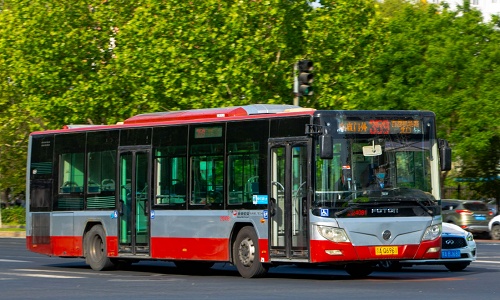
If you’re on a tight schedule and want to maximize your time in the city, private car transfers are the best option. The journey from Beijing Capital Airport (PEK) to the city center typically takes 30-60 minutes, but traffic conditions can vary widely, especially during rush hours. Booking a private car ensures a smooth, comfortable ride, and you won’t waste time figuring out how to get around the city. Many services, such as Didi (China’s version of Uber) or hotel-arranged transfers, are available directly at the airport. Expect to pay anywhere between 300-500 CNY ($40-$70 USD), depending on traffic and vehicle type.
Tip: If you’re traveling during peak hours (7-9 AM, 5-7 PM), expect longer travel times due to traffic congestion. It’s a good idea to book your private transfer in advance to guarantee availability and better rates.


· Public Transport:
· If your layover is a bit longer (around 6+ hours), public transport becomes a more practical and cost-effective choice. The Airport Express Train connects the airport to Dongzhimen Station in the city center in about 20-30 minutes. It’s affordable, costing just 25 CNY ($3.50 USD) per ride, and the trains are frequent, especially during the day. However, keep in mind that it might not be the best choice during busy hours, as the train can get crowded.
· Alternatively, you can take the subway (Line 2 or Line 10), but this can take a bit longer, up to 40-60 minutes, depending on your final destination. While it’s cheap (around 4-6 CNY, or $1 USD), it can be difficult to navigate with luggage, especially for first-time visitors. Consider using a subway map or mobile apps like Baidu Maps to plan your route in advance.
Tip for Public Transport: If you choose the subway or Airport Express, make sure to check if your hotel is close to a subway station for easier connections. Otherwise, you may have to switch lines, which could take more time.

Returning to the Airport
· Plan Ahead:
To avoid rushing, plan to return to the airport at least 2-3 hours before your flight. Beijing’s traffic can be unpredictable, especially during peak hours. It's recommended to check traffic conditions ahead of time, or you can use apps like Didi or Baidu Maps for real-time updates on travel time. If you’re taking public transport, factor in time for possible delays, line changes, and busy stations.
Tip: Leave extra time for security checks. Beijing's airports can be crowded, and security lines during peak travel times can take 30-60 minutes to clear. Also, make sure you know which terminal your flight departs from, as Beijing Capital Airport has multiple terminals, and transfers between terminals may take additional time.
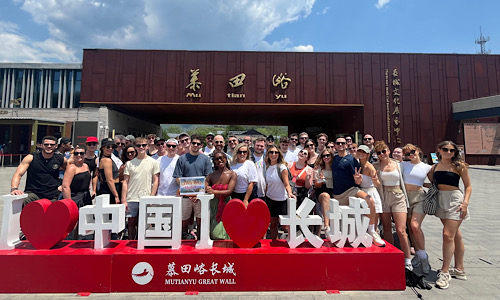 4-7 Hours Beijing Airport Layover Tour to Mutianyu Great Wall with Roundway Private Transfer
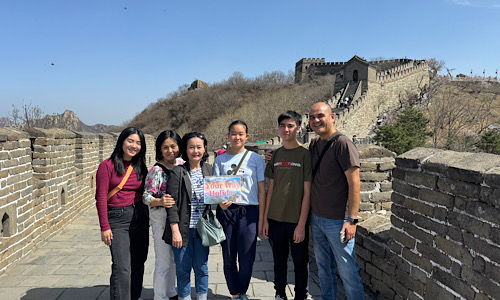 7-12 Hours of Iconic Sites: Beijing Great Wall Layover & Ming Tombs Tour
2. Accommodation Options for Short Stays
Hotels Near the Airport
If you’re on a tight schedule (e.g., less than 6 hours of layover), it’s best to choose a hotel near the airport. Staying near the airport allows you to rest without worrying about transport delays and still have time to relax before your next flight.
Popular Airport Hotels:
· Beijing Capital Airport New National Exhibition Melun Hotel: Located just 5 minutes from the airport, this hotel offers budget-friendly rooms and convenient access for travelers with short layovers. It also provides free shuttle services to and from the airport, saving you the hassle of arranging transport. The hotel is simple yet comfortable, offering all the essential amenities for a quick stay.

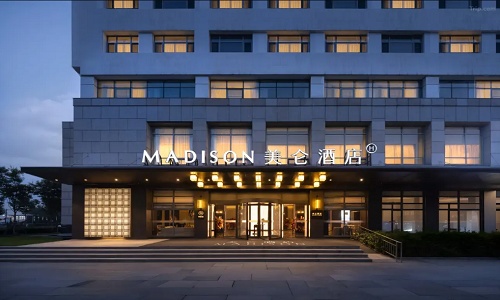
· Beijing Capital Airport International Hotel: This is a 4-star hotel located near Beijing Capital International Airport. It’s known for its convenience, offering spacious rooms, a variety of dining options, and modern facilities. Ideal for travelers with longer layovers, this hotel offers both comfort and convenience, with shuttle services to and from the airport. You can expect a higher level of comfort and more amenities compared to budget options.

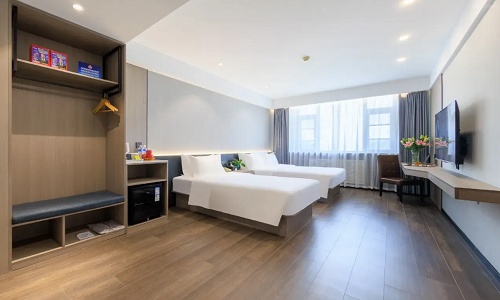
· Beijing Daxing International Airport Intercity Hotel: Located at the new Daxing Airport, this hotel is a great choice for those landing at Beijing’s newest airport. Just minutes away from the terminal, it offers both affordable and luxurious room options, making it an excellent choice for travelers with layovers at Daxing. The hotel also provides airport shuttles to help you easily get to and from the airport without any stress.
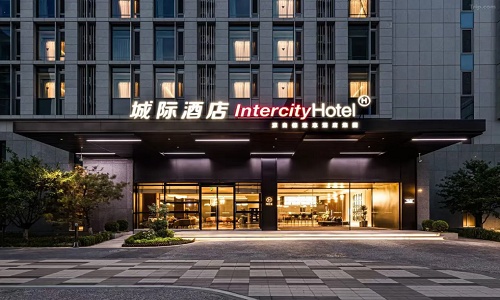

Tip: Always check if the hotel offers airport shuttle services. Many of the airport hotels ofer free or affordable shuttle rides, which can save you time and money compared to taking a taxi.
City Hotels for Longer Layovers
If your layover is longer (6+ hours), staying in a city-center hotel gives you more flexibility to explore Beijing’s attractions. Central locations such as Wangfujing or Tiananmen Square put you in the heart of the city, making it easy to access key landmarks, restaurants, and shopping areas.
Top Central Hotels:
For detailed hotel recommendations, check out Best Hotels in Beijing.
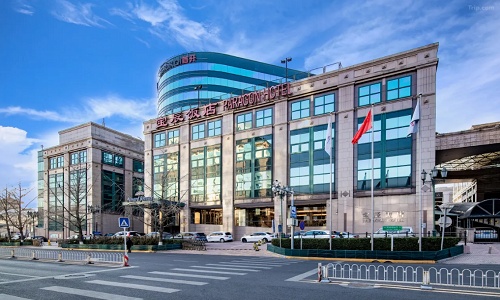
· Howard Johnson Paragon Hotel Beijing: Located in the Wangfujing area, this mid-range hotel offers comfortable accommodations with modern amenities. It’s a great choice for travelers looking for convenience without compromising comfort. The hotel is just a short walk to Wangfujing Street, one of Beijing’s premier shopping and dining districts. This makes it a perfect spot for travelers who want to experience Beijing’s vibrant local culture and shops.

· SciTech Hotel Beijing: Located in the Dongcheng District, Sate Hotel offers a blend of affordable luxury and convenient access to several popular sites such as Tiananmen Square, Forbidden City, and Qianmen Street. The modern hotel provides stylish rooms, high-quality service, and is surrounded by restaurants and cafes that reflect the essence of Beijing’s urban lifestyle. Ideal for those looking to stay in the heart of the city while keeping a close eye on their budget.


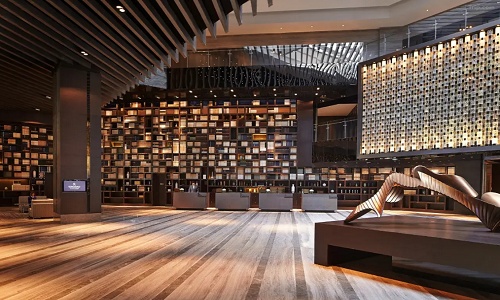
· Renaissance Beijing Wangfujing Hotel: This luxurious 5-star hotel is situated in the Wangfujing area, putting you close to both high-end shopping malls and historic landmarks. The Renaissance offers elegant rooms with excellent amenities, including an indoor pool and several fine-dining options. Its prime location means you're just steps away from major attractions such as Wangfujing Street, Tiananmen Square, and the Forbidden City. It’s a perfect choice for those who want a blend of luxury and convenience.

3. Quick Sightseeing Recommendations
Even with a short layover, you can still experience the essence of Beijing with a few quick stops. If you’re only in the city for 8-10 hours, here are some must-see landmarks that are easy to visit:
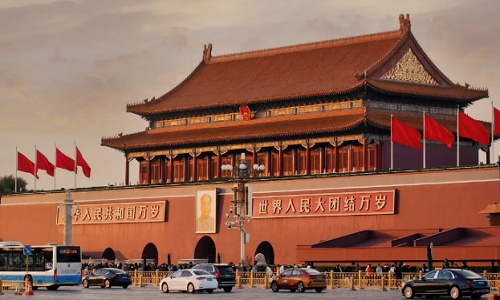

Tiananmen Square and the Forbidden City
Located in the heart of Beijing, Tiananmen Square is a must-see and is easily accessible within a short time from both the airport and city center. You can walk around the square and take in the Monument to the People's Heroes, Mao Zedong's Mausoleum, and the Great Hall of the People. If time permits, head into the Forbidden City—the former imperial palace, which is just a few minutes away by foot.


The Great Wall (Mutianyu or Badaling)
If you have a bit more time (around 5-6 hours), the Great Wall is a fantastic option for a quick visit. The Mutianyu or Badaling sections are the most accessible from the city, with a 1-1.5 hour drive from the airport. This iconic structure offers stunning views, and you can walk along the wall or take the cable car for a quicker experience.


Summer Palace
For those with a longer layover (around 6+ hours), consider visiting the Summer Palace, located about 1 hour from the airport. A UNESCO World Heritage site, it’s a serene escape from the city with beautiful gardens, pavilions, and Kunming Lake.
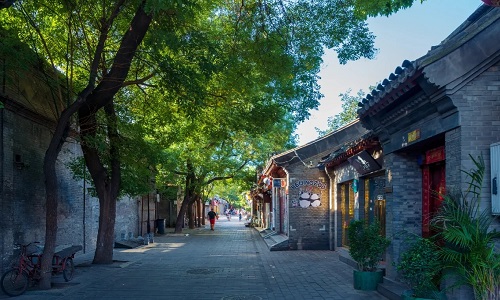
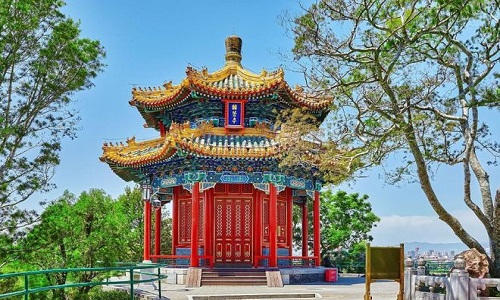
Hutongs and Jingshan Park
For a glimpse of traditional Beijing, the Hutongs are an excellent choice. These historic alleyways offer a peek into local life and can be easily explored on foot or by bike. Afterward, head to Jingshan Park for panoramic views of the Forbidden City and the city’s skyline. Both spots are located near Tiananmen Square and are perfect for a quick cultural experience.
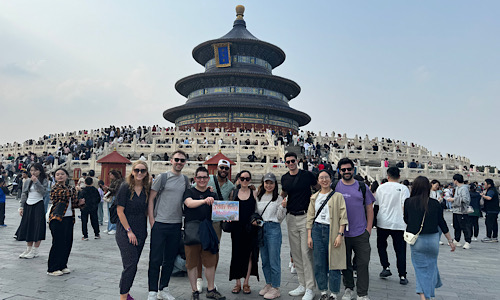 Flexible 14-16 Hours Beijing Layover Tour: Your Choice of Forbidden City, Tiananmen Square & Temple of Heaven
 Explore Beijing's Highlights on a 14-16 Hours Layover Tour: Forbidden City, Tiananmen Square & Houhai Area
Common Misconceptions & How to Avoid Them
When it comes to using the visa-free transit policy in Beijing, there are a few common myths that might cause confusion. Let’s clear these up so you can travel with confidence and avoid any unwanted surprises.
Mistake 1: If You Have a Layover, You Can Always Leave the Airport
Just because you have a layover doesn’t mean you can automatically explore the city. The visa-free transit policy lets you leave the airport only if you meet specific conditions. If you’re unsure whether you qualify, double-check before planning any sightseeing beyond the terminal.
Mistake 2: Any Flight Ticket Will Work
Not all flights are eligible for the visa-free transit. Your onward journey needs to be to a third country or region—not back to your home country. For instance, flying from Beijing to Japan is fine, but Beijing to the US (and then back to the US) doesn’t qualify. Make sure your onward flight meets the requirements.
Mistake 3: The 144-Hour Transit Rule is Still in Effect
In the past, you could only stay for 144 hours under the visa-free transit. But now, the policy has been updated to 240 hours (10 days), giving you more time to enjoy Beijing and nearby destinations. Don’t let outdated info mislead you—take advantage of the extended time!
For the latest visa-free transit details, check the official immigration website.
What to Do if You Don’t Qualify for Visa-Free Transit?
If you’ve checked the eligibility criteria for visa-free transit and find that you don’t qualify, don’t worry! You still have options to explore Beijing, and here’s everything you need to know.
(1) Apply for a Regular China Tourist Visa
If you’re not eligible for visa-free transit, the next best option is applying for a regular China tourist visa. This type of visa will give you the freedom to stay in Beijing for a longer period—whether it’s for tourism, business, or just to explore the city's cultural gems at your own pace.
(2) Short-Term Visa vs. Regular Visa: Which One Fits Your Plans?
Not all visas are the same! There are different types of Chinese visas, so it’s important to choose the one that best suits your travel plans.
· Short-Term Visa: If you're planning a quick visit or a stay of less than 30 days, a short-term tourist visa might be the right choice. This type is quicker to apply for and generally less complicated.
· Regular Tourist Visa: If you plan to stay in China for a longer period, say a few months, or if your travel includes more than just a few cities, you might want to apply for a regular tourist visa (L visa). This will give you more flexibility during your travels.
Make sure you check the visa validity and the number of entries—single, double, or multiple—depending on how many trips you plan to make to China.
(3) When to Apply: Timing is Everything
When it comes to applying for a visa, timing is key. You’ll want to apply well in advance to ensure everything goes smoothly. Here’s a quick guide on when to start your application:
· Off-Peak Travel: If you’re traveling during a less busy season, applying 2-3 weeks in advance should be enough.
· Peak Travel Season: During holidays like Chinese New Year or summer, visa processing times may be longer due to high demand. It’s best to apply at least 1-2 months before your departure date to avoid any delays.
Pro Tip: Always double-check the visa processing time on the Chinese consulate website or with your visa agency. This will give you an accurate idea of how long it’ll take to get your visa processed.
(4) Avoid Last-Minute Stress: Plan Ahead
Visa applications can take time, and unexpected delays can happen. To avoid stress, start the visa application process as early as possible, especially if you have tight travel plans. This gives you more time to gather any required documents and follow up if there are issues.
(5) Other Options If You’re in a Hurry
If you’re in a rush and cannot wait for the usual visa processing time, some regions (like Hong Kong or Macau) allow for quick visa applications or provide visa-on-arrival services for certain nationalities. These might be temporary solutions if you’re caught in a time crunch.
Comparison Table: Transit Options
When it comes to choosing the best option for your layover or short stay in China, here’s a simple comparison to help you decide which transit option works for you:
Feature | 24h TWOV | 240h Visa-Free Transit | Regular China Visa |
Can Leave the Airport | No | Yes | Yes |
Maximum Stay | 24 hours | 240 hours (10 days) | Depends on Visa Type |
Requirements | Minimum | Moderate (valid onward ticket required) | Apply in advance (document requirements) |
Eligibility | Most countries | 54 countries with onward ticket | Global (all nationalities) |
Conclusion: Maximizing the Benefits of This Policy
The 240-hour visa-free transit policy is a fantastic way for travelers to experience China without the hassle of applying for a full visa. Whether you're in Beijing for a few days or just passing through, this policy gives you a unique opportunity to see some of China’s most famous sights, such as the Great Wall, the Forbidden City, or the Summer Palace—without any extra paperwork or visa fees.
For first-time visitors, this is a golden opportunity to explore Beijing’s rich history and culture without interrupting your travel plans. Imagine having a few extra days to enjoy the city while en route to your next destination!
That said, it’s important to stay updated on entry policies. Visa regulations can change, and sometimes these changes happen quickly. Always check official government websites or consult with your travel agent to make sure you’re fully prepared before you travel.
Pro Tip: If you’re not eligible for the 240-hour transit, applying for a regular China tourist visa is still a great option. It will give you plenty of time to explore not just Beijing, but other cities across China as well.
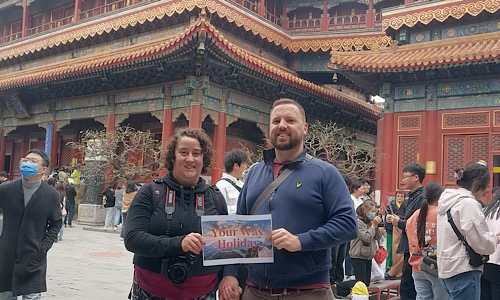 10-15 Hours Beijing Airport Layover Experience: Temple of Heaven, Mutianyu Great Wall & Nanluoguxiang
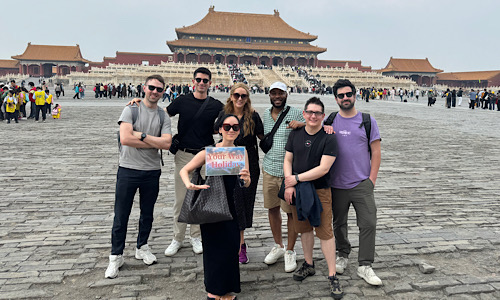 24-144 Hours Beijing Layover Tour: Tailored Beijing Package Tour Experience
Payment & Financial Management
1. Do I Need to Carry Cash During My Beijing Layover?
While Beijing Airport and many urban areas accept international credit cards, it’s still a good idea to have some Chinese Yuan (CNY) on hand for small purchases. These may include items at local kiosks, vending machines, or smaller shops, as not all vendors will accept foreign credit cards. Having cash also helps in case you need to make payments at places that don’t support international cards or digital payment systems.
Tip: Many ATMs at Beijing Airport allow you to withdraw CNY directly using your international debit or credit card, making it easy to get cash if you need it.
2. Can I Use Credit Cards in Beijing?
Yes, credit cards are accepted in many places like hotels, high-end shops, and restaurants. However, for services like high-speed train tickets, taxis, metro rides, and local convenience stores, you might need to use local payment platforms such as WeChat Pay or Alipay. These are the go-to payment methods in China, and many smaller businesses and services prefer them over traditional credit cards.
Important Tip: It’s a good idea to check in advance with hotels, restaurants, or transport services to confirm if they accept international credit cards. To avoid any hassle, you can also use WeChat or Alipay by linking your credit card to these apps. This makes payments smoother and more convenient.
3. What About Digital Payments like WeChat Pay or Alipay?
WeChat Pay and Alipay are China’s most popular mobile payment platforms. These apps are used for almost everything—from paying for transport (taxis, buses, high-speed trains) to shopping, eating out, and even small street purchases. These platforms are more widely used than credit cards in many cases, so having them on hand will make your experience much easier.
How to Set Up: You can download WeChat and Alipay (available on both iOS and Android) and link your international credit card or a foreign bank account to these apps. This way, you can pay for almost everything in China directly from your phone.
4. Can I Use My International Credit Card for Hotel and Dining Payments?
Yes, most hotels and restaurants in Beijing will accept international credit cards like Visa, MasterCard, and American Express. However, some smaller or local establishments may prefer cash or mobile payments. To avoid any confusion, it’s always a good idea to ask in advance if they accept foreign credit cards, especially if you plan to pay for smaller services (such as room service or meals in local eateries).
Tip: Make sure your credit card is enabled for international payments before traveling. Some banks require you to notify them of your travel plans to prevent your card from being blocked.
5. Are There Fees for Using Credit Cards in Beijing?
Some credit cards may charge a foreign transaction fee (typically around 1-3%) when used in China. These fees can add up, especially if you use your card frequently for purchases. Additionally, ATMs may charge a fee for withdrawing cash with an international card, so check your bank’s policies before making withdrawals.
Tip: Consider using a no-foreign transaction fee credit card to avoid additional charges during your travels.
6. Can I Withdraw Money from ATMs in Beijing?
Yes, there are plenty of ATMs around Beijing, including at the airport, train stations, and in most shopping areas. Many international banks have ATMs that accept Visa or MasterCard. However, be aware that some ATMs might charge a service fee, and your bank may also impose its own fees for international withdrawals.
Tip: To save on withdrawal fees, try to withdraw larger amounts less frequently rather than small amounts over time. Also, make sure your card works for international withdrawals before you travel.
7. How Can I Avoid Financial Hiccups During My Layover in Beijing?
To make sure you’re financially prepared, here are some quick tips:
-Carry a mix of payment methods: Bring a combination of cash, credit cards, and mobile payment options like WeChat or Alipay.
-Notify your bank: Let your bank know you’ll be traveling to avoid any issues with using your cards in Beijing.
-Check the exchange rate: Currency exchange rates can fluctuate, so it’s a good idea to monitor them and exchange money when the rate is favorable.
-Keep some emergency cash: While digital payments are widely accepted, some very small shops or taxis might only accept cash, especially if you're venturing outside touristy areas.
Time Management & Scheduling
1. Plan Your Return to the Airport in Advance
If you're using the 144-hour visa-free transit policy during your layover, time management becomes crucial, especially as your transit period comes to an end. Beijing's traffic can be notoriously unpredictable, with congestion common during rush hours or even during off-peak times. To avoid last-minute stress, always plan to return to the airport with plenty of time to spare.
Recommended Arrival Time at the Airport:
Arrive at least 3 hours before your scheduled departure. This gives you ample time to account for unexpected delays on the road, security checks, and any last-minute details. If you're taking public transport like the Airport Express Train or taxi, factor in potential delays due to traffic or unexpected disruptions.
Pro Tip: If you're traveling during peak hours (morning or evening rush), consider leaving even earlier. The last thing you want is to miss your flight because of unpredictable delays.
Maximize Your Time in Beijing
Since you have up to 144 hours (6 days) for a visa-free stay, try to balance your sightseeing and exploration with the return time to the airport. Keep track of time so you don’t find yourself rushing at the last minute. Whether you're visiting iconic landmarks like the Great Wall or relaxing in a park, it’s important to pace yourself to ensure you're back on time.
2. Emergency Situations & Contingency Plans
While everything may go according to plan, it’s always a good idea to have a contingency plan in place, especially when traveling internationally. Here are a few scenarios to be aware of and what you can do if things don't go as expected.
Flight Delays Beyond the Visa-Free Transit Period
In case your flight is delayed beyond the end of your 144-hour transit period, you may face a tricky situation. Here's what you can do:
(1) Apply for an Extension: If you're still within the visa-free transit guidelines but need more time to reach the airport due to an unexpected delay, you can apply for an extension at the airport. While this is not always guaranteed, explaining your situation to border control or immigration staff might allow you to stay a bit longer.
(2) Consider a Short-Term Visa: If your delay extends far enough that you can’t make your flight, you may be able to apply for a short-term tourist visa. This will allow you to stay longer in China legally. Contact the airport immigration authorities or consulate for guidance on this process.
Pro Tip: Make sure you have your flight details, proof of delay, and any relevant documentation on hand when speaking to immigration authorities. This will help your case if you're seeking an extension or alternative solution.
Denied Entry: What to Do Next?
In rare cases, you might be denied entry to China or your visa-free transit may be invalidated. If this happens, don’t panic—here’s what to expect:
(1) Return to Your Departure Airport: If you’re denied entry, the authorities may ask you to return to your original departure airport. This usually happens if you didn’t meet the transit requirements or if your flight details are not in order. You’ll likely be put on a flight back to your original destination, or an alternative solution will be arranged.
(2) Accommodation While You Wait: If your layover has been disrupted, some airlines or the airport authorities may provide temporary accommodation while you wait for the next available flight. This will depend on the situation and the airline policies. Always ask about possible accommodations if you're delayed overnight or longer.
(3) Rescheduled Flights: In the event of a flight delay or cancellation that causes your visa-free transit to expire, airport staff may assist you in rebooking your flight. However, keep in mind that you may need to apply for a visa if the new travel dates exceed the validity of your visa-free period.
Proactive Tips for Minimizing Travel Hiccups:
-Stay in Contact: Always stay in touch with your airline to get real-time updates on any flight changes. In case of delays, they might assist in providing solutions to extend your stay legally.
-Know Your Options: Familiarize yourself with the location of the immigration office and visa extension services at the airport. Knowing where to go can save precious time in case of an emergency.
-Have Insurance: Travel insurance is always a good idea, especially if you're relying on the visa-free transit policy. It can cover unexpected delays, cancellations, and the cost of rebooking flights or applying for a visa in case of unforeseen circumstances.
Travel Tips
1. Visiting Family or Friends? Know the Registration Requirements
If you plan to visit family or friends during your transit in Beijing, be aware that local police registration might be required. This is particularly important if you’re staying at someone’s private residence rather than a hotel. In some cases, your host will need to register your stay with the local police station.
What You Need to Do:
-Ask your host to assist: If you’re staying with family or friends, ask them to help with the registration process. They may need to visit the local police station within 24 hours of your arrival.
-Check with the local authorities: If you're unsure, ask your host or the hotel front desk for guidance on how to proceed with registration.
Tip: While this process is usually straightforward, failing to register could cause delays or issues with immigration when you depart, so it’s always best to take care of it right away.
2. Don’t Forget Travel Insurance
Travel insurance is a must for international travel, especially if you’re relying on the visa-free transit policy. It provides peace of mind by covering medical emergencies, trip cancellations, and even lost passports or baggage.
Why You Need It:
-Medical Emergencies: While healthcare in Beijing is excellent, you’ll want to be covered for any unexpected health issues. From doctor visits to hospital stays, insurance will help cover the cost.
-Lost Passports or Documents: If your passport is lost or stolen, travel insurance can help with the replacement process and any associated costs, including extra travel expenses.
-Flight Cancellations or Delays: If you miss your flight due to a delay or emergency, insurance can help cover the additional costs, including rebooking fees and accommodation.
Tip: When buying travel insurance, make sure to confirm that medical emergencies and trip interruptions are included in your plan. Also, check if your insurance covers visa issues if you unexpectedly need to extend your stay or apply for a visa.
3. Stay Informed and Prepared
Whether you’re in Beijing for a short stopover or an extended layover, staying informed about your travel conditions will save you time and stress. Before your trip, check if there are any specific rules for transit passengers or additional requirements that might affect your stay.
Essential Travel Prep:
-Double-check entry requirements: While 144-hour visa-free transit is available, make sure you meet all the eligibility conditions. Ensure your onward flight ticket is confirmed, and your passport has at least six months of validity.
-Plan for unexpected delays: Always have a backup plan in case your flight is delayed or rescheduled. Know the procedures for rebooking and whether you need to apply for a visa extension.
Tip: Keep a digital copy of all your important documents (passport, visa, flight tickets) stored on your phone or in the cloud for easy access in case they are lost or stolen.
4. Learn Basic Mandarin Phrases
While many people in Beijing speak some level of English, learning a few basic Mandarin phrases can go a long way in making your trip more enjoyable. Simple phrases like “nihao” (hello) and “xièxiè” (thank you) can help you navigate the city with ease and show respect to the local culture.
Tip: Download a translation app on your phone, or carry a phrasebook for quick reference. It will help you communicate more effectively when you need directions or are ordering food at local eateries.
5. Keep Your Belongings Secure
Like in any large city, it’s important to stay vigilant and protect your belongings. While Beijing is generally safe, keep your passport, credit cards, and valuable items close at hand, especially in crowded areas like tourist spots, markets, and on public transport.
Travel Safety Tips:
-Use a money belt or a neck pouch for your passport and credit cards, especially when out sightseeing.
-Be cautious of pickpockets: Keep your bag zipped and never leave it unattended.
-Use hotel safes: Whenever possible, store valuables like your passport, electronics, and extra money in a hotel safe.
6. Currency Exchange: Be Smart About It
While you can exchange foreign currency at Beijing’s airport or local banks, the rates are often better outside the airport. Consider exchanging money in advance or at local currency exchange offices within the city. Many places also accept credit card payments, but it’s always helpful to have some local currency (CNY) for smaller purchases.
Tip: Use ATMs that are part of a global banking network (like Visa or MasterCard ATMs) for better exchange rates. Always check the fees your home bank charges for international ATM withdrawals.
Prev: No previous link
Next: Beijing Layover Guide: What to Do, Visa-Free Transit & Best Layover Tours
Wechat: YourWayHolidayAsia
24 Hours Hotline:
+86 137-3541-1378
* Authentic Experiences: Genuine local experiences that immerse you in the true essence of Beijing and beyond.
* Safety First: Highest safety standards with secure activities and reliable transportation.
* Customizable Tours: Flexible itineraries tailored to your interests and needs.
* Local Expertise: In-depth knowledge of Beijing and China, offering exclusive insights.
* Professional Guides: Licensed bilingual guides with over 5 years of experience.
* Comfortable Travel: Experienced drivers and well-maintained vehicles for a smooth journey.
* Sustainable Tourism: Commitment to responsible tourism and supporting local communities.
* Customer-Focused: Personalized service and continuous improvement based on your feedback.
* Free Cancellation: Cancel up to 24 hours before travel for flexibility and peace of mind.
* 24/7 Support: Round-the-clock assistance for any questions or help needed.
 Forbidden City Beijing: Ultimate Tour Guide to China’s Imperial Palace
 Temple of Heaven
 Ming Tombs
 Exploring the Summer Palace Beijing: A Complete Guide to China’s Most Iconic Royal Garden
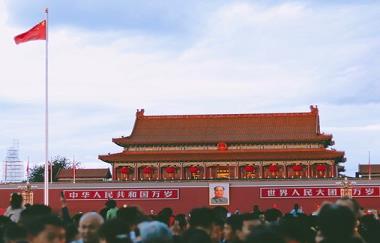 Tiananmen square
 Beijing Hutongs: A Living Tapestry of Time
 Water Cube
 Beijing Bird's Nest – Explore the Iconic National Stadium Beijing
1 to 1 tailor-made service from our professional travel advisors for the most sophisticated
Constantly excellent reviews for attraction, hotel and service Competitive price
Local experts provide quality tours Best selected knowledgeable local guides Authentic local restaurants
7*24 hours available to create you a worry-free tour. No Hidden Fees and absolutely no pressure to buy. Secured









Copyright © 2017 Chinabeijingprivatetour.com All rights reserved. 浙ICP备18056007号-2