Introduction
Beijing, China’s historic imperial capital with over 3,000 years of history, seamlessly blends ancient heritage with a dynamic modern vibe—where hutongs meet skyscrapers, and tradition meets innovation. Once the heart of imperial power, home to emperors and grand palaces, today the city stands as a global hub, boasting futuristic architecture, vibrant nightlife, and a diverse cultural scene that coexists with its rich history.
This guide helps travelers discover the best things to do and see in Beijing, along with practical travel insights to make your trip smooth and memorable. Whether you’re visiting iconic landmarks for the first time or immersing yourself in local culture, we’ve curated a comprehensive collection of top activities, sights, and tips to help you make the most of your time in this captivating city.
Beijing offers something for every traveler, from historic sites to hidden gems, cultural experiences to culinary adventures—ensuring you don’t miss a single highlight of this city that bridges the old and the new.
Core Experiences: Must-See Sights, Rich Culture, Delicious Food, and Vibrant Neighborhoods
1. Historic & Cultural Icons: Unmissable Sights for History Enthusiasts
Beijing’s historic and cultural icons are the soul of the city, offering a profound glimpse into China’s thousands of years of civilization. For history enthusiasts, these sites are not just scenic spots, but living textbooks that tell stories of emperors, dynasties, and ancient traditions—making them some of the best things to see in Beijing.
- Imperial Palaces & Complexes
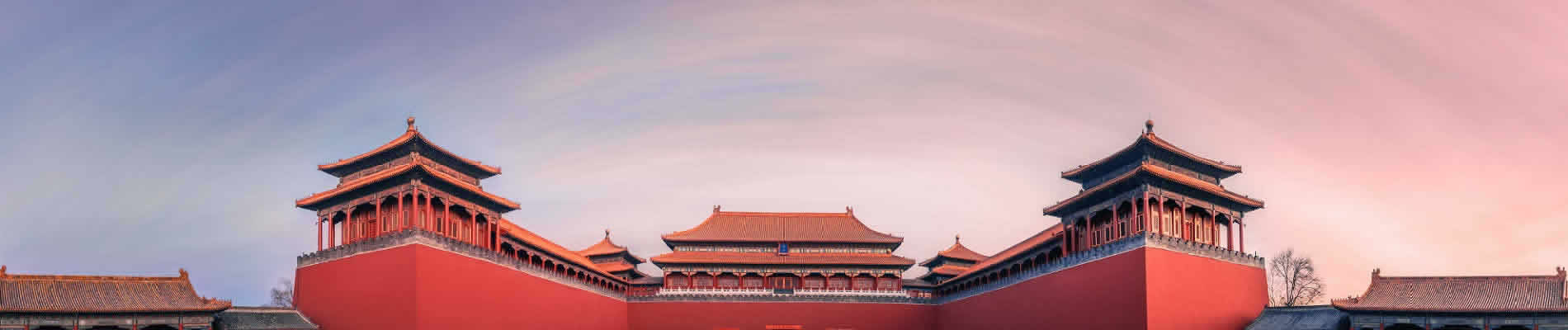
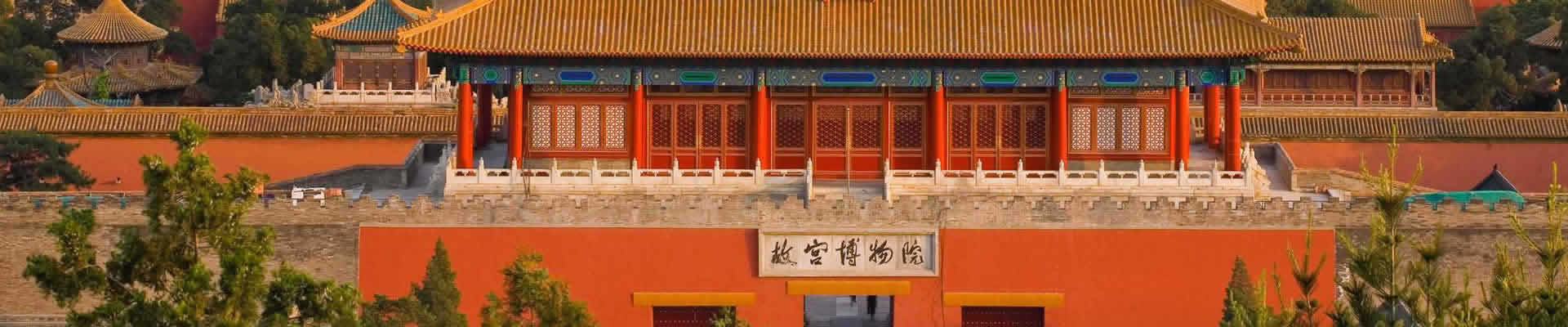
These grand complexes were once the heart of imperial power, showcasing the pinnacle of ancient Chinese architecture and royal aesthetics. From the majestic Forbidden City to the serene Summer Palace and the poignant Old Summer Palace Ruins, each site has its own unique charm and historical significance, inviting visitors to step back in time and experience the glory of past dynasties.
(1) Forbidden City (The Palace Museum)
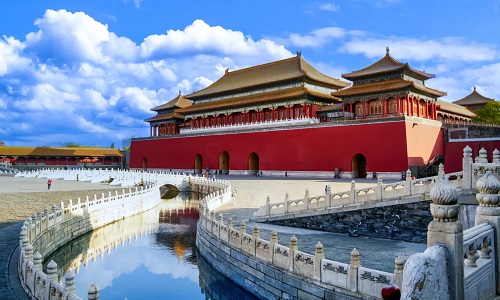
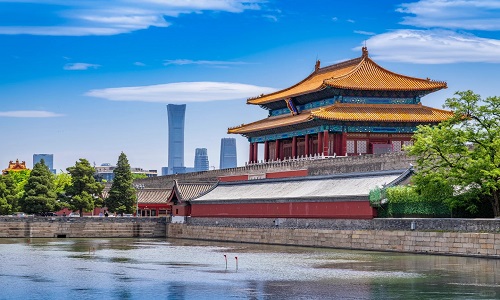
Address: No. 4 Jingshan Front Street, Dongcheng District
Tel: +86 10 400-950-1925 (Customer Service); +86 10 8500 7058 (Ticketing)
Website: https://www.dpm.org.cn(book tickets online 7 days in advance—mandatory for all visitors; search for "Forbidden City tickets" on the homepage for easy booking; English version available)
Opening Time:
· Peak Season (April 1 - October 31): 08:30 - 17:00 (Last entry at 16:00; Treasure Gallery and Clock Gallery close at 16:10) – ideal for summer lotus views near the moat
· Low Season (November 1 - March 31): 08:30 - 16:30 (Last entry at 15:30; Treasure Gallery and Clock Gallery close at 15:40) – less crowded, with golden light for photos in late afternoon
· Closed all day on Mondays (except legal holidays and public holidays; check the official website for holiday hours to avoid disappointment)
Transportation:
· Subway: Take Line 1 to Tiananmen East Station or Tiananmen West Station, then walk about 10-15 minutes to Meridian Gate (the only entrance).
· Bus: Take Bus 1, 2, 52, 82, Night 1, Sightseeing Line 1 or 2 to Tiananmen East Station or Tiananmen West Station.
· Tips: Avoid taking the route through Tiananmen Square during peak season as it requires tedious reservations and long queues. You can also take a taxi or drive to Donghua Gate, then walk 10 minutes along the moat to Meridian Gate.
Highlights:
- A UNESCO World Heritage Site, one of the best things to see in Beijing
- The largest and best-preserved ancient wooden palace complex in the world
- Former imperial palace of China’s Ming and Qing dynasties (1420-1912)
- Features over 9,000 rooms and magnificent imperial architecture (e.g., Hall of Supreme Harmony)
- Houses countless cultural relics, showcasing traditional Chinese art and history
- Iconic red walls and golden roofs, a symbol of Beijing’s imperial history (perfect for photos)
Hidden Spots:
- Wenyuan Pavilion: Royal library, southern garden style, black/green glazed tiles, pond & stone bridge
- Ningshou Palace Garden (Qianlong Garden): Northwest of Treasure Gallery, north-south garden blend, Guyaxuan, Xishang Pavilion, Chenglu Terrace
- Cining Palace Garden: West palace area’s only imperial garden, ancient pines, stone rockeries, quiet pavilions
- West Six Palaces Alleys: Narrow red wall lanes, minimal crowds, classic imperial architecture photo spots
- Arrow Pavilion Surroundings: Open stone square, low foot traffic, unobstructed axis view
Best Routes:
• 1-Hour Quick Route (Essential Highlights): Meridian Gate — Hall of Supreme Harmony — Hall of Central Harmony — Hall of Preserving Harmony — Imperial Garden — Divine Might Gate (covers core imperial architecture and iconic views).
• 2-Hour Efficient Route (Highlights + Relics): Meridian Gate — Hall of Supreme Harmony Complex — Treasure Gallery — Imperial Garden — Divine Might Gate (adds key relics without extra detours).
• Crowd-Saving Shortcut: After entering Meridian Gate, turn west (instead of straight) to avoid the main crowd, walk through quiet courtyards to the Hall of Preserving Harmony, then join the main route—fewer people and better photo opportunities.
Tips for Avoiding Crowds:
Arrive 10-15 mins before opening
Visit weekdays (non-Monday) & low season (Nov-Mar)
Book tickets 20:10-21:00 (avoid 20:00 booking peak)
Use bag-free fast lane for quick entry
Skip central axis 10:00-14:00 (most crowded)
Explore east/west palaces first, return to axis in late afternoon
Enter via Donghua Gate — moat — Meridian Gate (bypass Tiananmen Square queues)
Accessibility Information:
• Free wheelchairs (ID required) at Meridian Gate; barrier-free routes for major highlights.
• Accessible restrooms and seating available throughout the palace; staff assistance on-site.
(2) Summer Palace
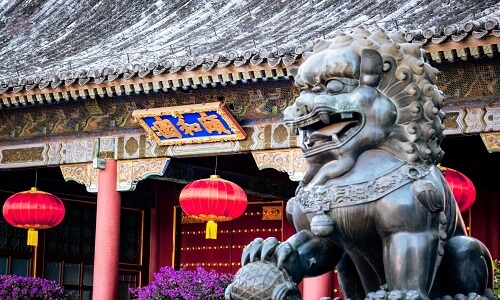
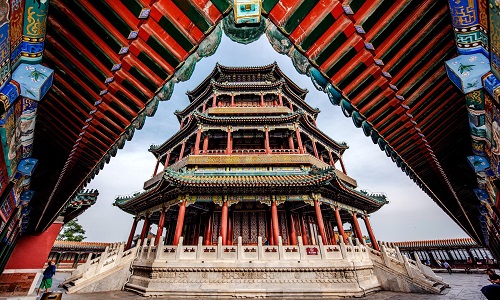
Address: No. 19 Xinjiangongmen Road, Haidian District
Tel: +86 10 6288 1144 (Customer Service)
Website: https://www.summerpalace.net.cn/
Opening Time:
· Peak Season (April 1 - October 31): 06:00 - 20:00 – ideal for summer lotus views on Kunming Lake
· Low Season (November 1 - March 31): 06:30 - 19:00 – less crowded, with golden light for photos in late afternoon, and ice activities available on Kunming Lake in winter
· Closed all day on Mondays (except legal holidays and public holidays; check the official website for holiday hours to avoid disappointment)
Transportation:
· Subway: Take Line 4 to Xiyuan Station (Exit D) or Beigongmen Station (Exit A), then walk about 10 minutes to the corresponding entrance (Beigongmen or Xinjiangongmen.
· Bus: Take Bus 303, 330, 331, 346, 394, 584, 601, 608, 683 or Sightseeing Line 3 to Summer Palace Station or Beigongmen Station.
· Tips: Avoid taking the route through crowded downtown areas during peak season. You can also take a taxi or drive to Xinjiangongmen (South Gate), which is the main entrance with convenient parking and direct access to core highlights.
Highlights:
- A UNESCO World Heritage Site (since 1998), one of the best things to see in Beijing
- The largest and best-preserved imperial garden in China, integrating northern and southern garden styles
- Former imperial garden of China’s Ming and Qing dynasties (first built in 1750), a leisure resort for emperors and empresses
- Covers 290 hectares (three-fourths being water), featuring magnificent imperial architecture and natural landscape
- Boasts iconic scenic spots (e.g., Long Corridor, Foxiangge, Kunming Lake, West Dike) showcasing traditional Chinese garden art
- Famous for its harmonious integration of man-made structures and natural hills and water, perfect for photography and leisure walks
Hidden Spots:
- Garden of Virtue and Harmony: Imperial opera house, exquisite pavilions, quiet lotus ponds, minimal crowds
- Zhichun Garden: Northern part of the Summer Palace, winding paths, ancient trees, lake views, no large groups
- Shouhuang Palace: At the foot of Longevity Hill, traditional courtyard layout, stone carvings, peaceful atmosphere
- East Dyke: Less crowded than West Dike, willow trees along the lake, perfect for quiet lake view walks
- Houhu Lake: Small lake in the north, wooden pavilions, stone bridges, secluded natural scenery
Best Routes:
• 1-Hour Quick Route (Essential Highlights): Xinjiangongmen (South Gate) — Long Corridor — Foxiangge (Pavilion of the Fragrance of Buddha) — Kunming Lake Viewpoint — Beigongmen (North Gate) (covers core garden views and iconic architecture).
• 2-Hour Efficient Route (Highlights + In-Depth View): Xinjiangongmen — Long Corridor — Foxiangge — West Dike (Six Bridges) — Kunming Lake Boat Tour — Suzhou Street — Beigongmen (adds lake views and traditional street experience without extra detours).
• Crowd-Saving Shortcut: Enter from Beigongmen (North Gate), first visit Suzhou Street to avoid the main crowd, then go up Longevity Hill to Foxiangge, then walk along the Long Corridor to the south—fewer people and better lake view photo opportunities.
Tips for Avoiding Crowds:
Arrive 20-30 mins before opening (especially peak season) for empty core spots
Visit weekdays (non-Monday) & low season (Nov-Mar) – far fewer tourists
Enter from Beigongmen (North Gate) instead of Xinjiangongmen (South Gate) in peak hours
Skip Long Corridor/Foxiangge 10:00-15:00 (most crowded); explore hidden spots first and return late afternoon
Take boat tours on Kunming Lake at opening time or late afternoon – fewer people on the lake
Avoid West Dike during lotus season (July-Aug) at noon; visit early morning for quiet lotus views
Use the east/west side paths of Longevity Hill instead of the central stone steps – minimal foot traffic
Accessibility Information:
• Free wheelchairs (ID required) at Xinjiangongmen and Beigongmen; barrier-free routes for major highlights.
• Accessible restrooms and seating available throughout the garden; staff assistance on-site.
(3) Old Summer Palace (Yuanmingyuan)
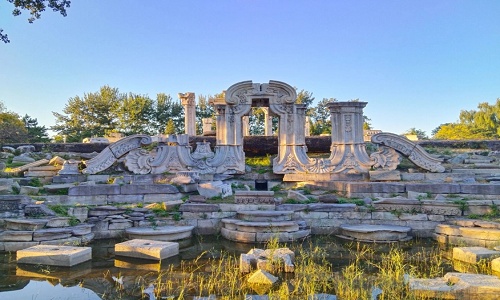
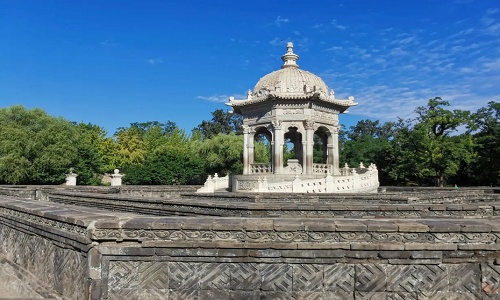
Address: No. 28 Qinghua West Road, Haidian District
Tel: +86 10 6254 3673 (Customer Service)
Website: http://www.yuanmingyuanpark.cn
Opening Time:
· Peak Season (April 1 - October 31): 07:00 - 19:00 – ideal for late afternoon photos with golden light on ruins
· Low Season (November 1 - March 31): 07:00 - 17:30 – less crowded, with serene winter scenery and occasional snow views on ruins
· Open all year round (no Monday closure); check the official website for holiday hours to avoid disappointment
Transportation:
· Subway: Take Line 4 to Yuanmingyuan Station (Exit B) or Qinghua East Station (Exit C), then walk about 10-15 minutes to the main entrance.
· Bus: Take Bus 305, 320, 331, 432, 498, 508, 579 to Yuanmingyuan Station or Qinghua East Station.
· Tips: Avoid taking buses during morning rush hour (7:30-9:00) due to traffic near universities. You can also take a taxi or drive to the East Gate, with convenient parking nearby.
Highlights:
- A key national cultural relic protection site, one of the best things to see in Beijing for history enthusiasts
- Once hailed as the "Garden of Gardens" (Versailles of the East), integrating Chinese and Western architectural styles
- Former imperial garden of China’s Qing Dynasty (first built in 1707), a royal resort for emperors to rest and handle state affairs
- Covers 350 hectares, composed of three gardens: Yuanmingyuan, Changchunyuan and Qichunyuan, with over 150 scenic spots
- Iconic ruins (e.g., Western-Style Palaces, Marble Boat Fragments) – a poignant reminder of China’s history
- Boasts scenic photo spots with weathered stone pillars and overgrown ruins, blending history and natural beauty
Best Routes:
• 1-Hour Quick Route (Essential Highlights): Main Entrance — Western-Style Palaces Ruins — Marble Boat Fragments — Ruins of Xiangshan Studio — East Gate (covers core ruins and iconic photo spots).
• 2-Hour Efficient Route (Highlights + In-Depth View): Main Entrance — Western-Style Palaces — Imperial Garden Ruins — Relic Exhibition Hall — Changchunyuan Lake View — East Gate (adds historical context and lake views without extra detours).
• Crowd-Saving Shortcut: Enter from the North Gate, first visit the quiet Changchunyuan area to avoid the main crowd, then head to the Western-Style Palaces Ruins—fewer people and better photo opportunities.
 Beijing Day Tour: Experience the Best of the City’s Iconic Landmarks and Rich Heritage
 Beijing Trip Essentials: Full-Day Tour of Cultural and Historical Gems with Expert Guide
- Ancient City Defenses
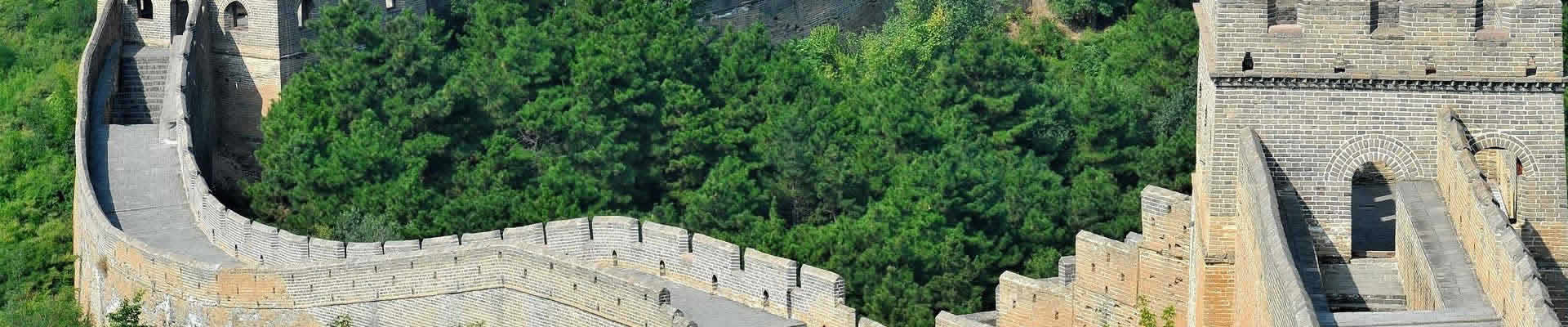
As an important part of Beijing’s historic heritage, these ancient defenses witnessed the city’s military glory and historical changes, standing tall for centuries to protect the land and people. They are not only magnificent military structures but also precious cultural relics, making them one of the best things to do in Beijing for history and architecture lovers.
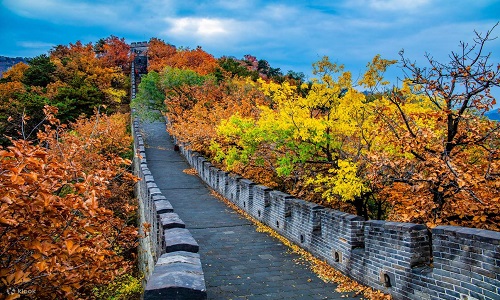
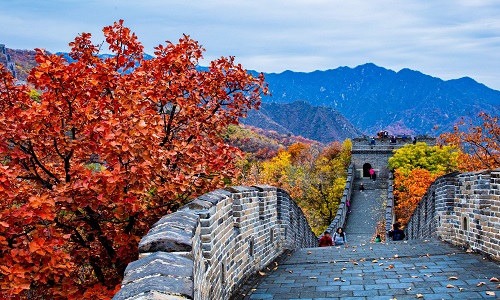
(1) Mutianyu Great Wall
Address: Mutianyu Village, Bohai Town, Huairou District
Tel: +86 10 6162 6928 (Customer Service & Ticketing)
Website: https://www.mutianyugreatwall.com
Opening Time:
· Peak Season (March 16 - November 15): 07:30 - 18:00 – ideal for spring flowers, summer greenery and autumn foliage views along the wall; Cable Car Operating Hours: 07:30 - 18:00
· Low Season (November 16 - March 15): 08:00 - 17:30 – less crowded, with stunning snow-covered scenery and clear views of the winding wall; Cable Car Operating Hours: 08:00 - 17:30
· Open all year round (no Monday closure); check the official website for holiday hours to avoid disappointment
Transportation:
· Subway: Take Line 13 to Dongzhimen Station, then transfer to Bus 916 Express to Huairou North Station, then take a taxi/bus to Mutianyu Great Wall (about 30 minutes).
· Bus: Take Bus 936, 916 Express or Huairou Local Bus H23/H24 to Mutianyu Great Wall Station.
· Tips: Take a direct shuttle bus from downtown Beijing (Dongzhimen) to save time; buy a round-trip shuttle ticket in advance. Avoid driving on weekends due to heavy traffic.
Highlights:
- A UNESCO World Heritage Site (part of the Great Wall of China), one of the best things to see in Beijing
- Known as the "Most Beautiful Great Wall", with 96% vegetation coverage and a well-preserved, less crowded section of the Ming Dynasty Great Wall
- Stretches 5,400 meters, featuring 25 watchtowers (dense distribution, a unique feature of Mutianyu) and rare double-sided crenellations
- Boasts iconic scenic spots (e.g., Zhengguan Platform, Big Horn Tower, Ox Horn Edge) showcasing superb ancient military architecture
- Offers a perfect blend of grandeur and natural beauty, with clear views of the winding wall meandering through mountains
- Popular for safe and comfortable climbing, suitable for families, with cable cars and chairlifts available
Hidden Spots:
- West Section (20th-23rd Watchtowers): Minimal crowds, unobstructed mountain views, quiet photo spots
- Ox Horn Edge: Less-visited steep section, unique wall structure, panoramic views of the winding Great Wall
- Lower Scenic Trail: At the foot of the wall, lush forests, stone paths, distant watchtower views, perfect for casual walks
- 10th Watchtower: Secluded spot with original wall relics, no tour groups, ideal for history-themed photography
Best Routes:
• 1-Hour Quick Route (Essential Highlights): Main Entrance — Cable Car Up — 14th Watchtower — Zhengguan Platform — Cable Car Down (covers core views and iconic watchtowers).
• 2-Hour Efficient Route (Highlights + In-Depth View): Main Entrance — Chairlift Up — 20th Watchtower — Big Horn Tower — Zhengguan Platform — Slide Down (adds in-depth views of the wall’s unique structure without extra detours).
• Crowd-Saving Shortcut: Enter early (30 minutes after opening), take the chairlift to the west section first to avoid crowds, then head east to visit key watchtowers.
Tips for Avoiding Crowds:
Arrive 30 mins before opening for empty watchtowers and unobstructed photography
Visit on weekdays; weekends/holidays attract large tour groups and family crowds
Take chairlift to West Section first (instead of east to Zhengguan Platform) to skip main crowds
Skip Zhengguan Platform 10:00-15:00 (peak hours); explore west section first and return late afternoon
Choose low season (Nov-Mar) for quiet climbing, snow scenery and clear mountain views
Avoid cable car peak hours (9:00-11:00/14:00-16:00); take chairlift for shorter queues
Accessibility Information:
• Free wheelchairs (ID required) at the main entrance; barrier-free routes to the cable car station and lower viewing platforms.
• Accessible restrooms and seating available at the main entrance and cable car station; staff assistance on-site for route guidance.
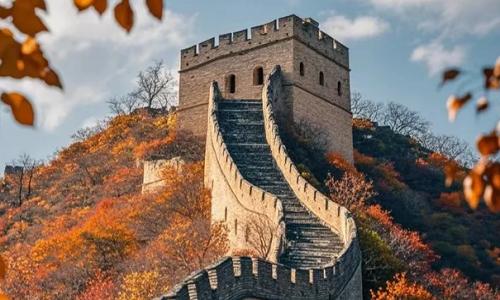
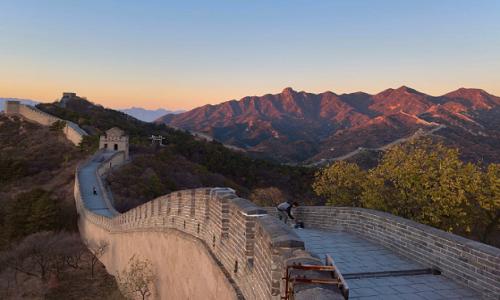
(2) Badaling Great Wall
Address: Badaling Village, Yanqing District
Tel: +86 10 6912 1268 (Customer Service & Ticketing)
Website: https://www.badaling.cn
Opening Time:
· Peak Season (March 16 - November 15): 07:30 - 18:00 – ideal for spring flowers, summer greenery and autumn foliage views along the wall; Cable Car Operating Hours: 07:30 - 18:00
· Low Season (November 16 - March 15): 08:00 - 17:30 – less crowded, with stunning snow-covered scenery and clear views of the winding wall; Cable Car Operating Hours: 08:00 - 17:30
· Open all year round (no Monday closure); check the official website for holiday hours to avoid disappointment
Transportation:
· Subway: Take Line 13 to Huangtudian Station, then transfer to Suburban Railway S2 Line to Badaling Station, then walk about 10 minutes to the main entrance (about 1.5 hours in total).
· Bus: Take Bus 877, 919 Express from Deshengmen Station to Badaling Great Wall Station, then walk 5 minutes to the main entrance.
· Tips: Take the Suburban Railway S2 Line to avoid traffic jams; buy a round-trip ticket in advance. Avoid driving on weekends and holidays due to heavy traffic and limited parking.
Highlights:
- A UNESCO World Heritage Site (part of the Great Wall of China), one of the most famous and iconic best things to see in Beijing
- Known as the "First Pass Under Heaven", the earliest open and most representative section of the Ming Dynasty Great Wall, hailed as the "leader of the Great Wall"
- Stretches 3,741 meters, featuring 21 watchtowers (including the highest North 8th Watchtower, also known as Guanri Platform)
- Boasts iconic scenic spots (e.g., Juyong Outer Town, Beimeng Suoyue, North 8th Watchtower) showcasing superb ancient military architecture
- Offers a perfect blend of grandeur and steepness, with clear views of the winding wall meandering through Jundu Mountain
- Popular as the most classic Great Wall section, suitable for all ages, with cable cars and chairlifts available for easy climbing
Hidden Spots:
- South Section (South 5th-South 7th Watchtowers): Fewer tour groups, gentle slopes, distant mountain views, perfect for casual walks
- Huajiayao Great Wall: Adjacent to Badaling, original wall relics, no commercial facilities, ideal for history exploration
- Chadao Ancient City: Ancient military town at the foot of the wall, traditional courtyards, local snacks, away from the hustle and bustle
- Water Pass Great Wall: Scenic spot with water features, unique "wall on water" view, less crowded than the main section
Best Routes:
• 1-Hour Quick Route (Essential Highlights): Main Entrance — Cable Car Up — North 8th Watchtower (highest point, "Not a Hero Until You Climb the Great Wall" landmark) — Cable Car Down (covers core views and iconic watchtowers).
• 2-Hour Efficient Route (Highlights + In-Depth View): Main Entrance — Chairlift Up — North 12th Watchtower — North 8th Watchtower — South 4th Watchtower (best viewing point) — Slide Down (adds in-depth views of the wall’s unique structure without extra detours).
• Crowd-Saving Shortcut: Enter early (30 minutes after opening), take the cable car to the North section first to avoid crowds, then visit the South section when crowds thin out.
Tips for Avoiding Crowds:
Arrive 30 mins before opening to enjoy empty watchtowers and unobstructed photography
Visit on weekdays; weekends/holidays attract large tour groups and family crowds
Skip North 8th Watchtower 10:00-15:00 (peak hours); explore South Section first and return late afternoon
Choose low season (Nov-Mar) for quiet climbing, snow scenery and clear mountain views
Avoid cable car peak hours (9:00-11:00/14:00-16:00); take Suburban Railway S2 Line to arrive early
Accessibility Information:
• Free wheelchairs (ID required) at the main entrance; barrier-free routes to the cable car station and lower viewing platforms.
• Accessible restrooms and seating available at the main entrance and cable car station; staff assistance on-site for route guidance.
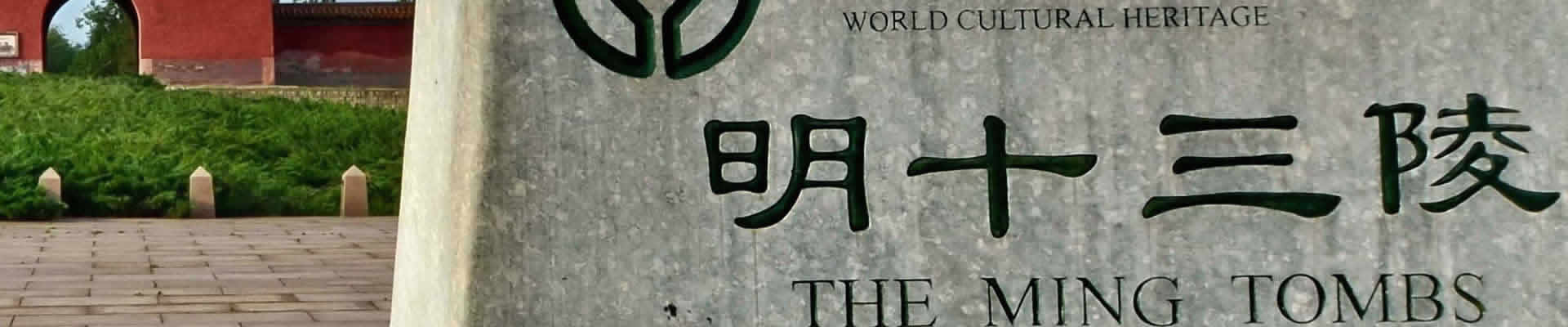
(3) Ming Tombs
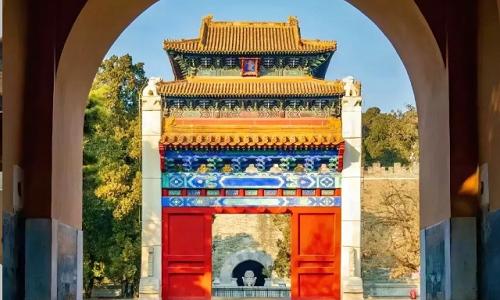
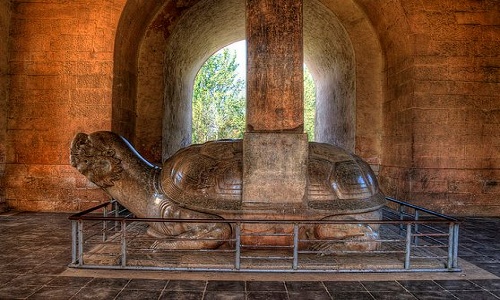
Address: Changchi Road, Shisanling Town, Changping District (at the southern foot of Tianshou Mountain)
Tel: +86 10 6076 1005 (Customer Service); +86 10 6076 10056 (Ticketing)
Website: https://www.mingshisanling.com/
Opening Time:
· Peak Season (April 1 - October 31): 08:30 - 18:00 (Last entry at 17:30) – ideal for golden light on stone sculptures and red walls, perfect for historical photography
· Low Season (November 1 - March 31): 08:30 - 17:00 (Last entry at 16:30) – less crowded, with serene winter scenery and occasional snow views on ancient architecture
· Open all year round (no Monday closure); check the official website for holiday hours to avoid disappointment
Transportation:
· Subway: Take Line 13 to Deshengmen Station ? transfer to Bus 872 direct to Sacred Way, Dingling or Changling (˜1.5 hours total).
· Subway + Bus: Take Changping Line to Xishankou Station ? transfer to Bus Chang 67/Chang 32 to Shisanling scenic area stops.
· Tips: Take Bus 872 for direct, one-stop service to avoid transfers; book combined tickets in advance for cost savings. Avoid driving on weekends due to limited parking and traffic on Changchi Road.
Highlights:
- A UNESCO World Heritage Site (part of Imperial Tombs of the Ming and Qing Dynasties, inscribed 2003), national 5A-level scenic spot and key cultural relic protection site
- The world’s most intact imperial mausoleum complex with the largest number of emperors interred, covering 120+ square kilometers with 13 imperial tombs, 7 concubine tombs and 1 eunuch tomb
- Built 1409-1644, serving as the final resting place for 13 Ming emperors (including Yongle Emperor and Wanli Emperor) and 23 empresses
- Features four open sites: Sacred Way, Changling (largest/earliest mausoleum), Dingling (only excavated imperial mausoleum with accessible underground palace), Zhaoling (best-restored mausoleum)
- Sacred Way boasts 24 life-size stone statues (12 animal pairs, 6 human pairs) – masterpieces of Ming stone carving, symbolizing imperial dignity
- Changling’s Ling’en Hall: A pinnacle of Ming wooden architecture, supported by 60 massive golden-thread nanmu pillars without a single nail
- Dingling Underground Palace: 27 meters deep, with triple stone gates, displaying over 3,000 unearthed relics (golden crown, phoenix crown, imperial robes) – a key archaeological site of 20th-century China
Hidden Spots:
- Sacred Way Side Paths: Quiet trails parallel to the main path, unobstructed views of stone statues, minimal crowds for historical photography
- Zhaoling Crescent City: Less-visited platform with views of the mausoleum’s complete layout and distant Shisanling Reservoir, peaceful atmosphere
- Changling Side Halls: Small exhibition rooms with rare relics and historical texts, away from main crowds, ideal for in-depth history learning
- Dingling Grounds Surroundings: Stone paths behind the underground palace, original wall relics, no tour groups, perfect for quiet reflection
Best Routes:
• 1-Hour Quick Route (Essential Highlights): Main Entrance — Sacred Way (Stone Statues) — Dingling Underground Palace — Exit (covers core iconic sites and unique underground relics).
• 2-Hour Efficient Route (Highlights + In-Depth View): Sacred Way — Changling (Ling’en Hall) — Dingling (Underground Palace + Relics) — Exit (adds top wooden architecture and imperial craftsmanship without detours).
• Crowd-Saving Shortcut: Enter via Sacred Way first (instead of Dingling/Changling), explore side paths, then visit Dingling before noon crowds, finish at Changling in the afternoon – fewer people and better photo light.
• Half-Day Leisure Route (Full Experience): Sacred Way — Changling — Dingling — Zhaoling — Exit (combines all open sites, complete imperial mausoleum experience).
Tips for Avoiding Crowds:
Arrive 30 mins before opening to enjoy empty stone statues and unobstructed historical photography
Visit on weekdays; weekends/holidays attract large tour groups to Dingling and Changling
Skip Dingling Underground Palace 10:00-15:00 (peak hours); explore Sacred Way/Changling first and return late afternoon
Choose low season (Nov-Mar) for quiet exploration, snow scenery and clear views of Tianshou Mountain
Use combined tickets to avoid separate queues; visit Zhaoling last for a peaceful end to the trip
Accessibility Information:
• Free wheelchairs (ID required) at Sacred Way, Changling and Dingling entrances; barrier-free routes to main halls and underground palace entrance.
• Accessible restrooms and seating at all open sites; staff assistance on-site for route guidance and facility use.
• Flat paths in Sacred Way and Changling; gentle slopes in Dingling with handrails for easy movement.
- Sacred Sites & Temples
As an integral part of Beijing’s cultural and spiritual heritage, these sacred sites blend time-honored religious traditions with exquisite ancient architecture, bearing witness to the city’s thousand-year-old cultural and religious development. They are not only holy places for believers but also artistic masterpieces of traditional Chinese architecture, making them one of the best things to do in Beijing for culture, religion and architecture enthusiasts.
(1) Temple of Heaven
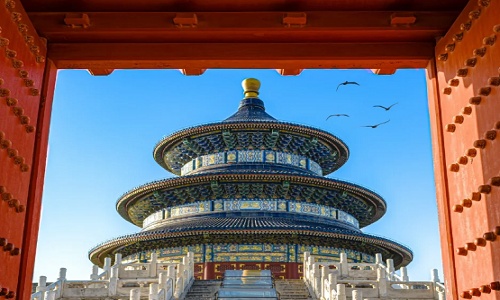
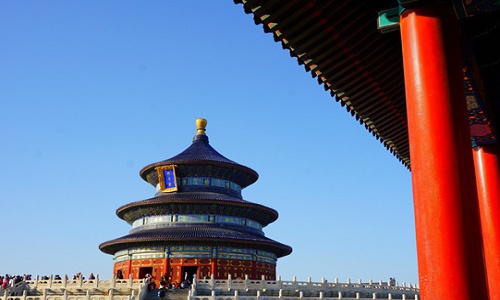
Address: No. 1 Tiantan East Road, Dongcheng District
Tel: +86 10 6702 8866 (Customer Service & Ticketing)
Website: https://www.bjgyol.com.cn/https://www.bjgyol.com.cn/buyTicket.html?lang=ch (book tickets online 7 days in advance)
Opening Time:
· 06:30 - 21:00 (Garden area); 08:00 - 17:00 (Ancient architectural complex)
· Key scenic spots including the Hall of Prayer for Good Harvests are closed on Mondays (except legal holidays)
· Landscape lighting for the Hall of Prayer for Good Harvests is turned on on Friday evenings, Saturday evenings and major holidays; the lighting is activated synchronously with municipal street lamps and turned off at 21:00
Transportation:
· Subway: Take Line 5 to Tiantandong Station (Exit A/B) or Line 8 to Tiantanxi Station (Exit C) ? walk 5-10 mins to the corresponding gate.
· Bus: Take Bus 36, 43, 60, 106, 116, 623 to Tiantan East Gate Station; Bus 2, 17, 20, 35, 36 to Tiantan South Gate Station.
· Tips: Arrive at the East Gate before 07:00 to experience authentic local morning activities; avoid the South Gate during peak hours for fewer entry queues.
Highlights:
- A UNESCO World Heritage Site (inscribed 1998), a masterpiece of Chinese imperial sacrificial architecture and one of Beijing’s iconic sacred sites
- Built in 1420, the imperial altar for Ming and Qing emperors to pray for good harvests and heaven’s blessing, covering 273 hectares
- Features iconic imperial architecture: Hall of Prayer for Good Harvests (three-tiered blue-tiled roof, no nails), Circular Mound Altar (perfect circular design symbolizing heaven), Imperial Vault of Heaven (echo wall and three-sound stone)
- Blends strict ancient Chinese feng shui and astronomical concepts, with a unique layout of "round heaven and square earth"
- A beloved spot for local residents: witness tai chi, kite flying, bird-watching and folk music performances in the morning
- Lush ancient cypresses (some over 600 years old), quiet paths and lake views, perfect for leisure walks and cultural immersion
Hidden Spots:
- Echo Wall North Path: Quiet stone path beside the Imperial Vault of Heaven, minimal crowds, perfect for experiencing the echo effect without disturbance
- West Garden Lake Area: Less-visited lake with wooden pavilions, willow trees and distant architecture views, ideal for casual rest and photography
- South Altar Gate Courtyard: Secluded traditional courtyard with ancient stone carvings and cypresses, no tour groups, great for cultural reflection
- Tiantan Pine and Cypress Forest: Dense ancient pine/cypress woods in the north, winding trails, fresh air, perfect for quiet walks away from the hustle
Best Routes:
• 1-Hour Quick Route (Essential Highlights): East Gate — Circular Mound Altar — Imperial Vault of Heaven — Hall of Prayer for Good Harvests — South Gate (covers core imperial sacrificial architecture and iconic views).
• 2-Hour Efficient Route (Highlights + Local Experience): East Gate — Morning Local Activity Area (tai chi/kite flying) — Circular Mound Altar — Imperial Vault of Heaven — Hall of Prayer for Good Harvests — West Garden Lake — North Gate (adds authentic local life experience without extra detours).
• Crowd-Saving Shortcut: Enter from the West Gate first — West Garden Lake Area — Hall of Prayer for Good Harvests — Imperial Vault of Heaven — Circular Mound Altar — East Gate (avoids main East/South Gate crowds, better photo opportunities).
• Half-Day Leisure Route (Culture + Leisure): East Gate — Local Morning Activities — Circular Mound Altar — Imperial Vault of Heaven — Hall of Prayer for Good Harvests — Pine and Cypress Forest — West Garden Lake — Exit (blends cultural exploration and casual leisure).
Tips for Avoiding Crowds:
Arrive before 07:00 for authentic local morning activities and empty iconic spotsVisit on weekdays; weekends/holidays attract large tour groups and family crowds
Skip Hall of Prayer for Good Harvests 09:30-15:30 (peak hours); explore west garden first and return late afternoon
Choose low season (Nov-Mar) for quiet cultural exploration and fewer tourists
Avoid the main central path; take side trails for unobstructed photography and quiet walks
Visit the echo wall in the early morning or late afternoon to experience the echo effect without crowds
Accessibility Information:
• Free wheelchairs (ID required) at East, South and West Gates; barrier-free routes for all main ancient buildings and scenic spots.
• Accessible restrooms and seating available throughout the park, with dedicated rest areas near key architecture.
• Flat stone paths and gentle ramps for easy movement; on-site staff assistance for route guidance and facility use.
(2) Lama Temple (Yonghe Temple)
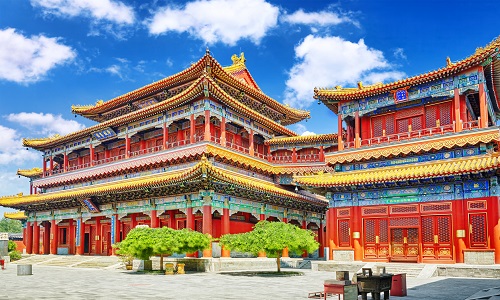
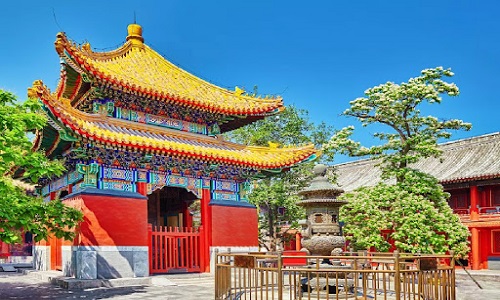
Address: No. 12 Yonghegong Street, Dongcheng District
Tel: +86 10 8419 1906; +86 10 8419 1907 (Customer Service & Ticketing)
Website: https://www.yonghegong.cn
Opening Time:
· Peak Season (April 1 - October 31): 09:00 - 17:00 – ideal for cultural exploration and morning incense offering
· Low Season (November 1 - March 31): 09:00 - 16:00 – less crowded, serene winter scenery, perfect for quiet religious experience
· Open all year round (no Monday closure); closed on the first day of the Lunar New Year for special religious activities (check official website in advance)
Transportation:
· Subway: Take Line 2 or Line 5 to Yonghegong Station (Exit A/B) ? walk 3-5 mins to the main entrance.
· Bus: Take Bus 104, 108, 113, 124, 407, 11 to Yonghegong Station; Bus 13, 116, 684 to Yonghegong North Station.
· Tips: Arrive 30 mins after opening for incense offering (avoid early morning incense crowds); nearby Nanluoguxiang can be visited together for a combined cultural tour.
Highlights:
- A national key cultural relic protection site, the most famous Tibetan Buddhism temple in northern China and a holy place for Gelug sect Buddhism
- First built in 1694, originally a prince’s mansion, converted to a lama temple in 1744, blending Han, Manchu, Mongolian and Tibetan architectural styles
- Boasts the world’s tallest wooden Maitreya Buddha statue (26 meters tall, carved from a single white sandalwood tree), a national treasure-level cultural relic
- Features five main halls with exquisite Buddha statues, thangkas, murals and bronze artifacts, showcasing rich Tibetan Buddhism culture and art
- A sacred place for incense offering and prayer, with a peaceful atmosphere for spiritual reflection and religious experience
- Adjacent to cultural and historical blocks (Nanluoguxiang, Shichahai), perfect for a combined cultural tour of temple and old Beijing alleys
Hidden Spots:
- East Side Courtyard: Secluded courtyard with ancient trees, stone carvings and small prayer halls, minimal crowds, ideal for quiet reflection
- West Scripture Library: A two-story building with rare Buddhist scriptures and cultural relics, no tour groups, great for in-depth religious culture learning
- Back Garden of the Temple: Quiet garden with rockeries, pavilions and a fish pond, far from the main prayer crowds, perfect for casual rest
- Yonghe Bell and Drum Tower: Small bell/drum tower at the north end, unobstructed views of the temple’s overall layout, quiet photo spot
Best Routes:
• 1-Hour Quick Route (Essential Highlights): Main Entrance — Heavenly King Hall — Yonghe Hall — Falun Hall — Wanfo Hall — Tibetan Buddhism Cultural Exhibition Hall — Exit (covers core halls and iconic Buddha statues).
• 2-Hour Efficient Route (Highlights + Culture): Main Entrance — Heavenly King Hall — Yonghe Hall — Falun Hall — Wanfo Hall — Sandalwood Buddha Statue Hall — Scripture Library — East Side Courtyard — Exit (adds in-depth religious culture and hidden spots without detours).
• Crowd-Saving Shortcut: Enter and visit the East Side Courtyard first — Tibetan Buddhism Cultural Exhibition Hall — Wanfo Hall — Falun Hall — Yonghe Hall — Heavenly King Hall — Exit (avoids main hall crowds, better experience of peaceful atmosphere).
• Combined Cultural Route (Temple + Old Beijing): Lama Temple — Nanluoguxiang (old alleys) — Shichahai (lake and hutongs) (perfect for a half-day cultural tour of religion and old Beijing style).
Tips for Avoiding Crowds:
Arrive 10:00-11:00 or 14:00-15:00 to avoid morning incense offering and tour group crowds
Visit on weekdays; weekends and Lunar New Year attract large incense-offering crowds
Skip the main prayer halls 09:00-10:00 and 14:30-15:30 (peak hours); explore side courtyards first
Choose low season (Nov-Mar) for a quiet religious experience and fewer tourists
Follow the temple’s cultural etiquette: no loud talking, maintain a peaceful atmosphere for a better experience
Avoid the central path of the main halls; take side paths for a quiet view of the halls and Buddha statues
Accessibility Information:
• Free wheelchairs (ID required) at the main entrance; barrier-free routes for all main halls and exhibition areas.
• Accessible restrooms and seating available in the front and back of the temple, with dedicated rest areas in the side courtyards.
• Gentle ramps and flat stone paths for easy movement; on-site staff assistance for route guidance and temple etiquette explanation.
• Special guidance for disabled visitors for the sandalwood Buddha statue hall (the main iconic spot).
2. Top Attractions & Hidden Gems: The Best of Both Worlds
Beijing’s top attractions and hidden gems together paint a vivid picture of the city’s dual charm—grand, world-famous landmarks that symbolize its modern vitality and historical weight, paired with quiet, lesser-known spots that reveal its authentic, unhurried side. For every traveler, this combination offers the perfect balance: checking off must-see icons while discovering hidden corners that feel like a private glimpse into Beijing’s soul, making it an unmissable part of any Beijing journey.
- Iconic Landmarks
These landmarks stand as the symbol of modern Beijing, blending innovative design, national significance and urban grandeur. They reflect the city’s unique evolution, weaving historical glory with contemporary vitality, and offer unmissable experiences for iconic photography and immersive urban exploration—essential stops to grasp the true charm of Beijing.
(1) Tiananmen Square
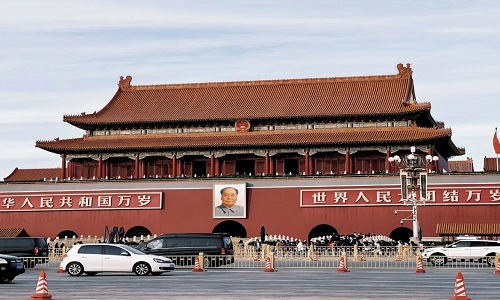
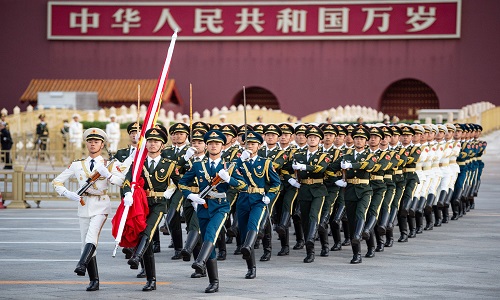
Address: East Chang'an Street, Dongcheng District (South of the Forbidden City)
Tel: +86 10 6511 8000 (Customer Service)
Website: https://yuyue.tamgw.beijing.gov.cn/
Opening Time:
· All year round: 05:00 - 22:00 (Free admission, ID card mandatory for entry)
· Flag-raising & Flag-lowering Ceremonies: Times change with sunrise and sunset (check official notice 1 day in advance for exact time)
· Temporary closures may occur for important events; confirm the latest official announcements before visiting
Transportation:
· Subway: Take Line 1 to Tiananmen East Station (Exit A/D) or Tiananmen West Station (Exit B/C), then walk about 5 minutes to the square.
· Bus: Take Bus 1, 2, 52, 82, Night 1, Sightseeing Line 1 to Tiananmen East Station or Tiananmen West Station.
· Tips: No on-site parking, take public transport for convenience; avoid large bags/liquids to skip security check delays.
Highlights:
- The symbolic heart of Beijing, a grand urban square with profound national significance and solemn architectural style
- A landmark for witnessing national ceremonies, with the grand flag-raising/flag-lowering ceremonies as a profound patriotic experience
- Adjacent to Beijing’s core historical and cultural landmarks, forming a classic central city cultural belt
- Spacious open area with iconic national architecture, perfect for panoramic urban and landmark photography
Best Routes:
• 30-Minute Quick Route (Core Experience): East Entrance — Tiananmen Rostrum Viewing Area — National Flag Pole — West Entrance (covers iconic core spots, perfect for time-limited visitors).
• 1-Hour Cultural Route (Square + Nearby): Square Core Area — National Museum of China Gate View — Qianmen Street Side Alleys (combines square experience with nearby cultural exploration).
• Flag-Raising Special Route: Arrive 1.5hrs early — Flag-raising Ceremony — Morning Square Stroll — Nearby Breakfast (complete patriotic morning experience).
Tips for Avoiding Crowds:
Arrive before 07:00 for empty square views and unobstructed photography
Visit on weekdays for minimal crowds and a peaceful strolling experience
Skip the central National Flag Pole area 10:00-16:00 (peak hours); explore side corridors first
Choose late afternoon to visit, combining golden light photography with fewer crowds
Avoid bringing large luggage/bags to skip tedious security checks and save time
Accessibility Information:
• Free wheelchairs (ID required) at the square’s east and west entrance service centers; barrier-free concrete paths throughout the entire square.
• Accessible restrooms with handrails available at all major entrances and the central service area.
• Shaded seating areas and rest stops at intervals around the square; drinking water facilities for the disabled.
• On-site staff assistance at each entrance for route guidance and accessibility service coordination.
(2) Bird's Nest & Water Cube (Olympic Park)
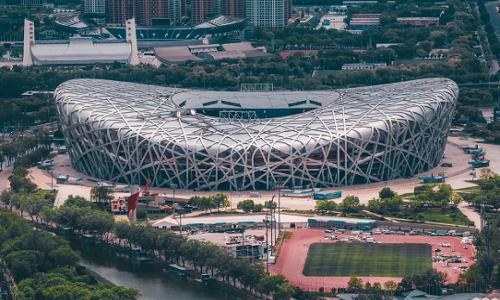
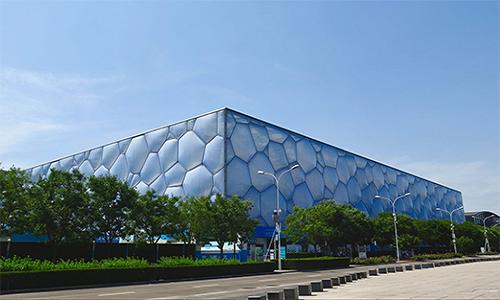
Address: No. 1 Olympic Park South Road, Chaoyang District
Tel: +86 10 8437 0088 (Bird’s Nest Customer Service); +86 10 8437 8266 (Water Cube Customer Service)
Website: https://www.n-s.cn/en/(Bird’s Nest); https://www.water-cube.com(Water Cube)
Opening Time:
· Bird’s Nest (National Stadium): All year round 10:00 - 22:00 – open daily, no Monday closure
· Water Cube (National Aquatics Center): All year round 09:00 - 20:00 – open daily, no Monday closure
· Night View Lighting: 19:30 - 21:00 (summer); 17:30 - 19:30 (winter) – closed on rainy or snowy days; check official notice for holiday adjustments
Transportation:
· Subway: Take Line 8 or Line 15 to Olympic Park Station (Exit A/B), then walk about 8-10 minutes to the venues.
· Bus: Take Bus 82, 538, 617, 949, Sightseeing Line 3 to Olympic Park South Gate Station or Bird’s Nest Station.
· Tips: Take subway to avoid traffic jams; nearby parking lots are limited on weekends, so public transport is recommended.
Highlights:
- Twin icons of the 2008 Beijing Olympics, representing cutting-edge modern architecture and China’s sports heritage
- Bird’s Nest: Famous for its lattice-like steel structure, one of the world’s largest stadiums, now hosts concerts and sports events
- Water Cube: Distinctive blue bubble exterior, transformed into a water park and swimming center for public recreation
- Located in the Olympic Green, surrounded by lush greenery and other Olympic venues, perfect for family outings and architectural photography
- Day vs Night Views: Daytime shows the unique structural details; nighttime lighting creates a stunning futuristic scene
Best Routes:
• 1-Hour Quick Route (Core Experience): Olympic Park South Gate — Bird’s Nest Exterior & Interior View — Water Cube Exterior & Bubble Corridor — Olympic Green Square (covers iconic spots, ideal for time-limited visitors).
• 2-Hour Leisure Route (Experience + Scenery): Bird’s Nest — Water Cube Indoor Water Park (optional) — Olympic Forest Park North Area — Lake View Promenade (combines venue visit with a relaxing park stroll).
• Night View Special Route: Arrive at 19:00 — Olympic Green Square Stroll — Bird’s Nest & Water Cube Lighting Show — Panoramic Photography (best for capturing the futuristic night scene).
(3) CCTV Tower
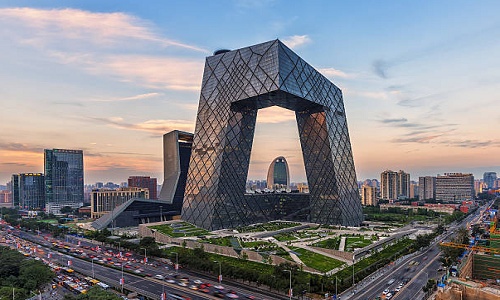
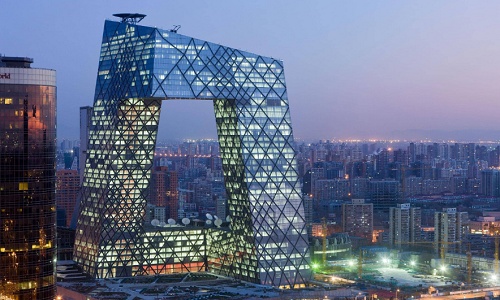
Address: No. 11 Zizhuqiao South Street, Haidian District
Tel: +86 10 6845 0715 (Customer Service & Ticketing)
Website: https://www.cctvtower.com
Opening Time:
· All year round: 09:00 - 22:00 (Last entry at 21:30) – open daily, no Monday closure
· Observation Deck Peak View Time: 18:00 - 21:00 (best for panoramic Beijing night views)
· Temporary closure of partial areas may occur for equipment maintenance; check official announcements in advance
Transportation:
· Subway: Take Line 10 to Zizhuqiao Station (Exit C), then walk about 5-7 minutes to the tower.
· Bus: Take Bus 323, 374, 437, 634, 809 to Zizhuqiao South Station, then walk about 3 minutes to the entrance.
· Tips: Book online tickets in advance for discounted prices; on-site parking is available with limited spaces on weekends.
Highlights:
- One of Beijing’s iconic tall buildings, standing 405 meters high with a 238-meter observation deck offering 360° panoramic city views
- Features a transparent glass viewing platform for an exciting sky-walking experience with ground views straight below
- Houses a rotating restaurant on the 221-meter floor, combining gourmet dining with unobstructed urban scenery
- A landmark of Beijing’s modern urban skyline, perfect for capturing day and night panoramic photos of the city
- Equipped with a professional exhibition area, showcasing the development history of China Central Television
Best Routes:
• 1-Hour Quick Route (Core View Experience): Main Entrance — Ticket Check — Observation Deck — Glass Viewing Platform — Souvenir Shop (covers key viewing spots, ideal for time-limited visitors).
• 2-Hour Leisure Route (View + Dining): Observation Deck — Glass Viewing Platform — Rotating Restaurant (light meal/coffee) — CCTV History Exhibition Area (combines viewing with cultural experience).
• Night View Special Route: Arrive at 18:00 — Observation Deck for Sunset View — Night Skyline Photography — Glass Viewing Platform Night Experience (perfect for capturing Beijing’s night scenery).
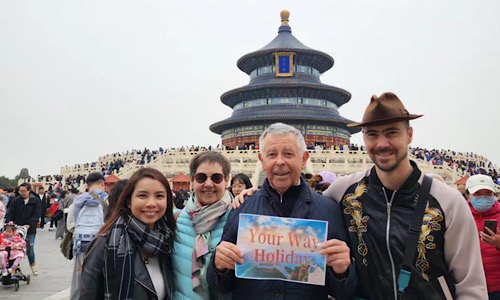 Beijing One Day Local Tour with Traditional Breakfast Food Experience & Cultural Immersion
 Luxury Beijing Culinary & Cultural Experience: A Gourmet Adventure
- Scenic Views
These spots capture Beijing’s serene natural beauty and laid-back local charm, offering perfect getaways from the city’s hustle and bustle. Whether you’re chasing seasonal blooms, hiking through mountain trails, or unwinding by a tranquil lake, each scenic view showcases a different side of Beijing’s pastoral elegance—ideal for slow travel, photography, and immersing yourself in the city’s relaxed rhythms.
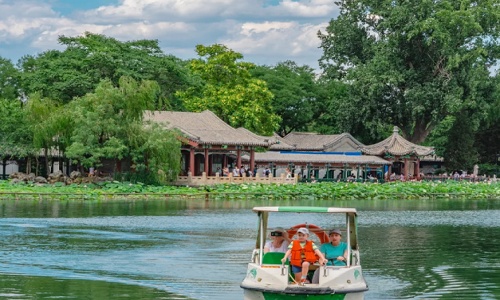
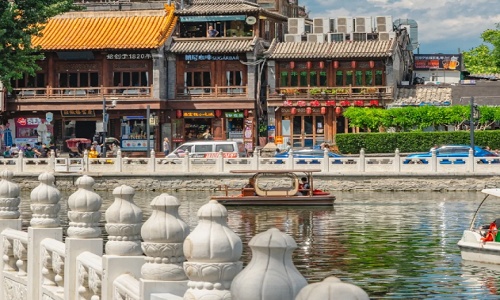
(1) Houhai Lake
Address: Xicheng District, Beijing (north of Qianmen Street, near Nanluoguxiang)
Tel: +86 10 6403 1102 (Scenic Area Management)
Opening Time:
· All year round: 06:00 - 23:00 (Boating: 09:00 - 19:00 in peak season, 10:00 - 17:00 in low season)
· Sunset boating best time: 17:00 - 19:00 (spring/summer); 16:00 - 18:00 (autumn/winter)
· No closure for holidays; waterfront bars and cafes usually open until 24:00 on weekends
Transportation:
· Subway: Take Line 8 to Shichahai Station (Exit A), then walk about 8 minutes to Houhai North Bank.
· Bus: Take Bus 5, 60, 107, 124 to Shichahai Station; Bus 3, 44 Inner Ring to Deshengmen East Station.
· Tips: Avoid driving at night due to heavy pedestrian traffic and limited parking; rent a shared bike to explore the lake shore.
Highlights:
- A classic Beijing lake scenic area with old hutong lanes surrounding the water, blending natural scenery and local life
- Famous for sunset boating—rowing on the calm lake while watching the golden glow paint the ancient rooftops
- Waterfront bars and cafes offer cozy seating with lake views, perfect for evening relaxation and people-watching
- Adjacent to historical spots like Prince Gong’s Mansion, ideal for combining lake leisure with cultural exploration
Best Routes:
• 1-Hour Leisure Route: Shichahai Subway Station — Houhai North Bank — Sunset Boating — Lakeside Snack Street (try sugar-fried chestnuts).
• 2-Hour Cultural Route: Prince Gong’s Mansion — Houhai Lake Boating — Nanluoguxiang Hutong Walk (combines history and scenery).
• Night View Route: Houhai South Bank — Waterfront Bar (drink & lake view) — Hutong Night Walk (experience old Beijing’s night vibe).
Tips for Avoiding Crowds:
Visit on weekday mornings for quiet lake views and empty boating docks
Skip the north bank snack street 18:00-21:00 (peak hours); choose the south bank for a more peaceful stay
Go boating 1 hour before sunset to avoid the evening boating crowd and get the best sunset views
Avoid national holidays; the lake shore will be packed with tourists and street performers
(2) Fragrant Hills Park
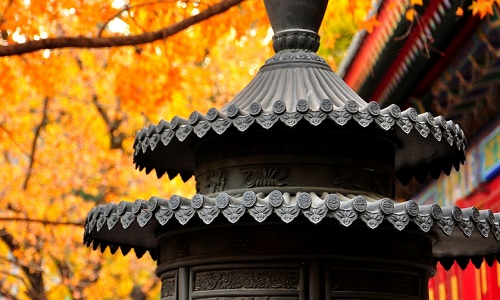
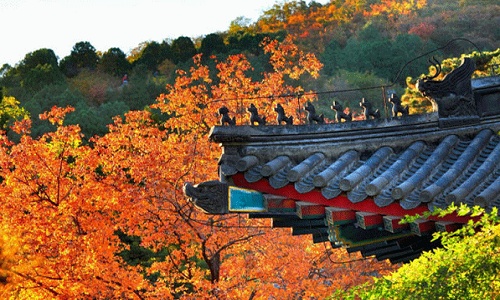
Address: No. 40 Xiangshan Road, Haidian District
Tel: +86 10 6259 9886 (Customer Service)
Opening Time:
· Peak Season (April 1 - November 15): 06:00 - 18:30
· Low Season (November 16 - March 31): 07:00 - 17:00
· Autumn Leaf Season (Mid-October to Early November): Extended to 19:00 (special night viewing on weekends)
· Closed on Mondays (except legal holidays and leaf season)
Transportation:
· Subway: Take Line 1 to Pingguoyuan Station, then transfer to Bus 318 to Fragrant Hills Park Station.
· Bus: Take Bus 318, 331, 360, 698 directly to Fragrant Hills Park East Gate.
· Tips: Take the special autumn leaf shuttle bus from Tiananmen during leaf season to avoid traffic jams; arrive early.
Highlights:
- One of Beijing’s most famous autumn leaf viewing spots, with thousands of red maple trees turning fiery red in late October
- Features multiple hiking trails of varying difficulty, from gentle paths for casual walkers to steep routes for hiking enthusiast
- Boasts historical sites like Xiangshan Temple and Shuangqing Villa, blending natural scenery with cultural heritage
- Panoramic mountain views from the top—on clear days, you can see the Beijing city skyline in the distance
Best Routes:
• 1-Hour Leaf Viewing Route: East Gate — Maple Tree Road — Xiangshan Temple — Red Leaf Valley (core autumn scenery, easy walk).
• 2-Hour Hiking Route: East Gate — Jade Emperor Peak — Shuangqing Villa — Xiangshan Temple (challenging climb with panoramic views).
• Family-Friendly Route: East Gate — Maple Tree Road — Lakeside Pavilion — Snack Street (flat paths, suitable for kids and elders).
Tips for Avoiding Crowds:
Visit on weekday mornings for quiet lake views and empty boating docks
Skip the north bank snack street 18:00-21:00 (peak hours); choose the south bank for a more peaceful stay
Go boating 1 hour before sunset to avoid the evening boating crowd and get the best sunset views
Avoid national holidays; the lake shore will be packed with tourists and street performers
(3) Yuyuantan Park
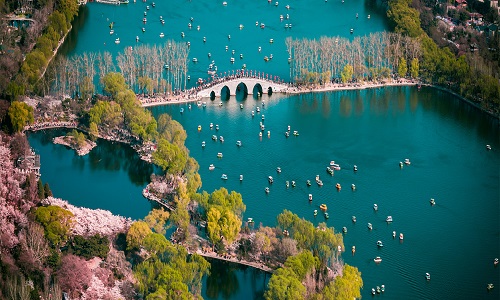
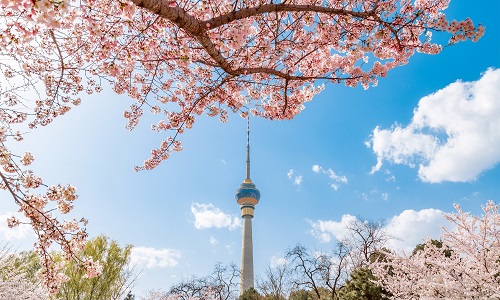
Address: No. 11 Yuyuantan Road, Haidian District
Tel: +86 10 6851 4447 (Customer Service)
Opening Time:
· Peak Season (March 1 - May 31; September 1 - October 31): 06:00 - 21:00
· Low Season (June 1 - August 31; November 1 - February 28): 06:30 - 20:00
· Cherry Blossom Season (Late March to Early April): Extended to 22:00 (night viewing with lighting)
· Open all year round; no Monday closure
Transportation:
· Subway: Take Line 1 to Yuyuantan Park West Gate Station (Exit D); Line 9 to Military Museum Station (Exit G).
· Bus: Take Bus 1, 21, 32, 65, 85 to Yuyuantan Park Station.
· Tips: Take subway during cherry blossom season to avoid traffic jams; rent a picnic mat at the park entrance.
Highlights:
- Beijing’s most popular cherry blossom viewing spot, with thousands of cherry trees blooming in late March
- Spacious lawns and lakeside picnic spots, perfect for family picnics, frisbee games and spring outings
- Features a large lake for boating; the cherry blossom-lined lake shore is a top photography spot in spring
- Hosts flower exhibitions year-round—peonies in summer, chrysanthemums in autumn, plum blossoms in winter
Best Routes:
• 1-Hour Cherry Blossom Route: West Gate — Cherry Blossom Avenue — Lakeside Viewing Platform — Peony Garden (core spring scenery).
• 2-Hour Leisure Route: East Gate — Lake Boating — Cherry Blossom Lawn (picnic) — Chrysanthemum Garden (seasonal flowers).
• Night View Route (Cherry Blossom Season): West Gate — Cherry Blossom Avenue (light show) — Lakeside Walk — Snack Bar.
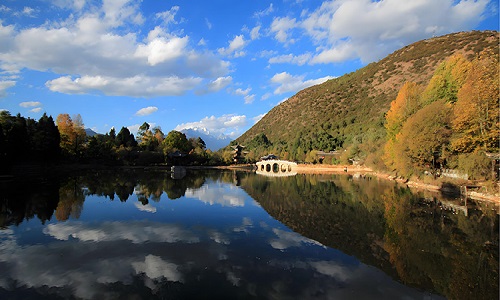
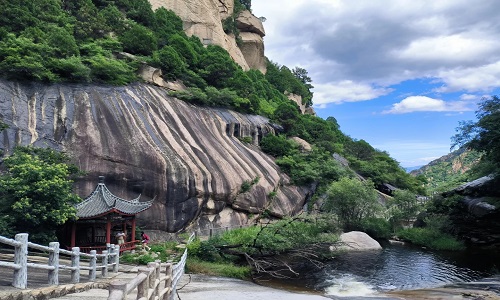
(4) Black Dragon Pond
Address: Daguanqiao, Shicheng Town, Miyun District
Tel: +86 10 6162 5391 (Customer Service)
Opening Time:
· 09:00 - 17:00 (Last entry at 16:00)
· Open all year round; no Monday closure; temple fairs held during Spring Festival
Transportation:
· Subway + Bus: Take Line 13 to Dongzhimen Station, then transfer to Bus 916 to Huairou Bus Station, then take local Bus H31 to Black Dragon Pond.
· Self-driving: Drive via Jingcheng Expressway to Huairou Exit, then follow signs to Black Dragon Pond (about 1.5 hours from downtown).
· Tips: Take the direct shuttle bus from Dongzhimen on weekends; self-driving is recommended for flexible travel.
Highlights:
- A serene mountain lake scenic area with clear water and surrounding forests, far from the city’s noise
- Features ancient temples like Black Dragon Temple, with a history of over 1,000 years, blending natural and cultural scenery
- Popular among local residents for weekend getaways—ideal for fishing, hiking and enjoying local farm food
- Peaceful atmosphere with minimal tourist crowds, perfect for meditation, reading and slow-paced relaxation
Best Routes:
• 1-Hour Leisure Route: Main Entrance — Black Dragon Pond Lake View — Black Dragon Temple — Local Snack Shop (try farm-style noodles).
• 2-Hour Hiking Route: Main Entrance — Lake Shore Trail — Mountain Viewing Platform — Ancient Temple Ruins (moderate difficulty).
• Family-Friendly Route: Main Entrance — Lake Boating — Picnic Area — Temple Fair (seasonal).
Tips for Avoiding Crowds:
Visit on weekdays for a quiet experience; weekends attract local families but are still less crowded than downtown scenic spots
Skip the main temple area 10:00-15:00 (peak hours); take the west trail for secluded lake and mountain views
Choose late spring or early autumn to visit—pleasant weather with blooming flowers or autumn foliage
Avoid national holidays; the scenic area will be busier with more self-driving tourists
- Less-Crowded Hidden Gems
These off-the-beaten-path spots offer a quiet, authentic side of Beijing far from the tourist crowds, blending timeless cultural heritage with cozy local vibes. From China’s oldest Buddhist temple with serene courtyards, to a peaceful imperial garden steps from bustling Tiananmen, and a charming hutong lined with unique boutiques and intimate cafes—each hidden gem is ideal for slow exploration, quiet photography, and experiencing the city’s unhurried charm, making them some of the best unique things to do in Beijing.
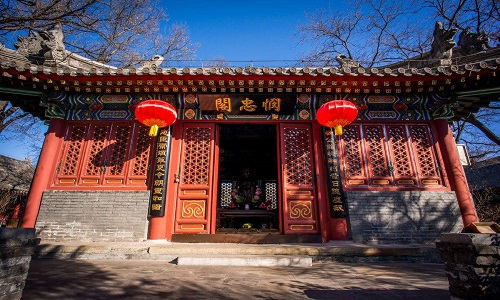
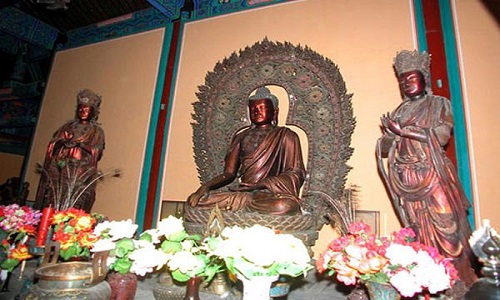
(1) Fayuan Temple
Address: No. 7 Fayuan Hutong, Xuanwu Men West, Xicheng District
Tel: +86 10 6353 3966
Opening Time:
· All year round: 09:00 - 17:00 (Closed on Mondays except legal holidays)
· Free admission for visitors; ID card check required for entry
· Morning prayer sessions held daily at 09:00 (visitors may observe quietly)
Transportation:
· Subway: Take Line 4 to Xuanwumen Station (Exit C), then walk about 10 minutes north to Fayuan Hutong.
· Bus: Take Bus 10, 15, 626 to Xuanwumen West Station, then walk 5 minutes to the temple entrance.
· Tips: The hutong leading to the temple is narrow—avoid driving; walk or take a shared bike for the last stretch.
Highlights:
- China’s oldest surviving Buddhist temple with a history of over 1,300 years, dating back to the Tang Dynasty
- Serene red-walled courtyards lined with ancient cypress trees, stone carvings and traditional Buddhist architecture
- Houses a rich cultural exhibit hall with Buddhist scriptures, ancient Buddha statues and historical relics
- Far from tourist crowds, with a peaceful, meditative atmosphere perfect for quiet reflection and slow exploration
- Adjacent to small local bookstores and traditional snack shops, ideal for combining cultural visits with hutong strolling
Best Routes:
• 1-Hour Cultural Route: Temple Entrance — Front Courtyard — Main Hall — Buddhist Relic Exhibit Hall — Back Garden (covers core cultural and scenic spots).
• 2-Hour Hutong & Temple Route: Fayuan Temple — Fayuan Hutong Stroll — Local Snack Shop (try traditional pea jelly) — Nearby Liulichang Cultural Street (blends temple culture with hutong charm).
(2) Zhongshan Park
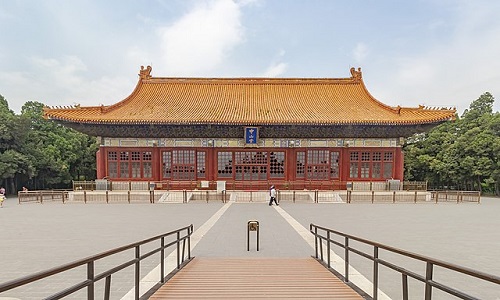
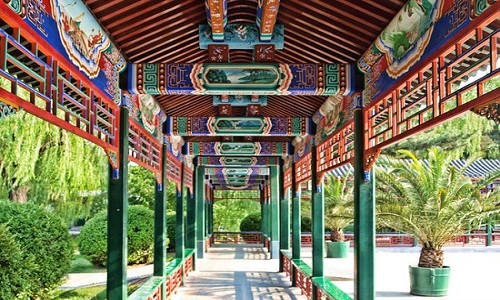
Address: No. 4 Zhongshan Park Road, East Chang'an Avenue, Dongcheng District
Tel: +86 106605 5431
Opening Time:
· Peak Season 1 (Apr 1 – May 31, Sep 1 – Oct 31): 06:00 – 21:00 (Last entry at 20:30)
· Peak Season 2 (Jun 1 – Aug 31): 06:00 – 22:00 (Last entry at 21:00)
· Low Season (Nov 1 – Mar 31): 06:30 – 20:00 (Last entry at 19:30)
Transportation:
· Subway: Take Line 1 to Tiananmen West Station (Exit B), then walk 3 minutes south to the park west gate.
· Bus: Take Bus 1, 2, 52, 82 to Tiananmen West Station, directly reaching the park entrance.
· Tips: Enter via the west gate to avoid the Tiananmen Square crowd; the park is a perfect escape after visiting the square.
Highlights:
- A quiet imperial garden with a history of over 800 years, once a royal garden for the Ming and Qing emperors
- Steps from bustling Tiananmen Square, offering a peaceful green escape with lush lawns, ancient trees and lotus ponds
- Features traditional imperial architecture including pavilions, stone bridges and a marble boat, mirroring the Summer Palace’s charm but without the crowds
- Seasonal flower displays—peach blossoms in spring, lotus flowers in summer, chrysanthemums in autumn—perfect for quiet flower viewing
- Panoramic views of the Forbidden City’s red walls and golden roofs from the park’s north side, a unique photography spot
Best Routes:
• 30-Minute Quick Escape Route: West Gate — Lotus Pond — Central Pavilion — North Viewing Platform (perfect for a short break after Tiananmen Square).
• 1-Hour Leisure Route: West Gate — Flower Garden — Stone Bridge Corridor — Imperial Architecture Area — North Lawn (slow exploration of core scenic spots).
• Sunset Route: Enter at 17:00 (peak season) — North Viewing Platform — Lotus Pond — Central Pavilion (capture golden sunset over the Forbidden City).
(3) Wudaoying Hutong
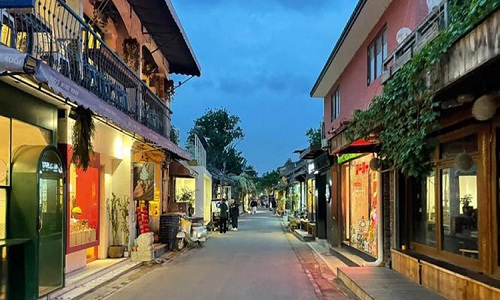
Address: Wudaoying Hutong, Dongcheng District
Tel: +86 10 6404 1990
Opening Time:
· Hutong open 24 hours a day for strolling
· Boutiques/cafes: 10:00 - 21:00 (most close at 20:00 on weekdays)
· Street food stalls: 11:00 - 20:00 (weekends extended to 21:00)
· No closure—local residents live in the hutong, so keep voices down for quiet exploration
Transportation:
· Subway: Take Line 5 to Yonghegong Station (Exit B), then walk about 8 minutes north to Wudaoying Hutong.
· Bus: Take Bus 104, 108, 113 to Yonghe Temple Station, directly reaching the south end of the hutong.
· Tips: The hutong is pedestrian-friendly—no cars allowed; park at the south end near Yonghe Temple if driving.
Highlights:
- A charming, low-key hutong far from the crowded Nanluoguxiang, blending traditional Beijing hutong style with modern cozy vibes
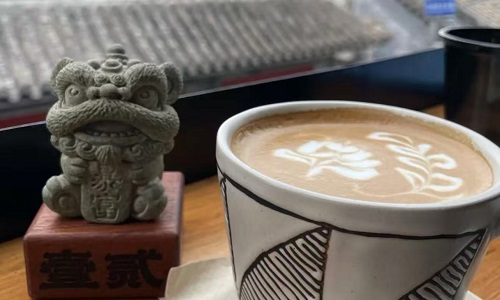
- Lined with unique independent boutiques, handcraft shops, and intimate cafes with small courtyards—perfect for browsing and relaxing
- Home to local Beijing residents, with traditional siheyuan (courtyard houses) and old street scenes, offering an authentic hutong life experience
- Features a mix of Chinese and international small businesses, with unique souvenirs, hand-made jewelry and casual brunch options
- Quiet and unhurried atmosphere, ideal for slow strolling, casual photography and people-watching local life
Best Routes:
• 1-Hour Strolling Route: South Entrance (near Yonghe Temple) — Boutique Row — Cafe & Brunch Spot — North Entrance Hutong View (covers core shopping and leisure spots).
• 2-Hour Leisure Route: Wudaoying Hutong — Yonghe Temple (short walk south) — Local Snack Shop (try sugar-fried chestnuts) — Nearby Confucius Temple (blends hutong charm with cultural visits).
• Evening Route: Arrive at 18:00 — Cafe with Courtyard View — Boutique Night Browsing — Street Food Dinner (quiet evening hutong vibe).
3. Cultural Immersion: Activities to Experience Beijing Like a Local
These immersive cultural activities let you dive into Beijing’s authentic local life and time-honored traditions, far beyond just sightseeing. From the dramatic charm of Peking Opera and the tranquil art of hutong tea ceremonies to the thrilling energy of traditional acrobatics, each experience offers a unique chance to connect with Chinese culture, interact with local artisans, and see Beijing through the eyes of its residents—making them essential for a truly memorable trip to the capital.
- Traditional Art & Performances
These time-honored art forms are the soul of Beijing’s cultural heritage, blending dramatic expression, delicate craft and thrilling skill into unforgettable experiences. Peking Opera at Liyuan Theatre—with its vivid face paint, melodic arias, and tourist-friendly condensed shows—offers the perfect accessible gateway to this iconic Chinese tradition, while still preserving authentic local charm.
(1) Peking Opera (Liyuan Theatre)
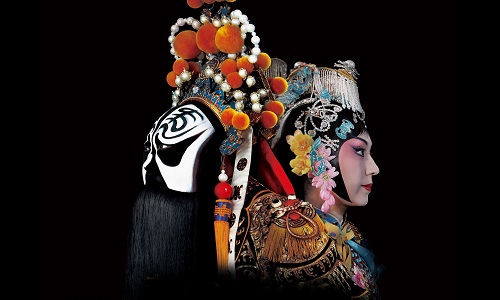
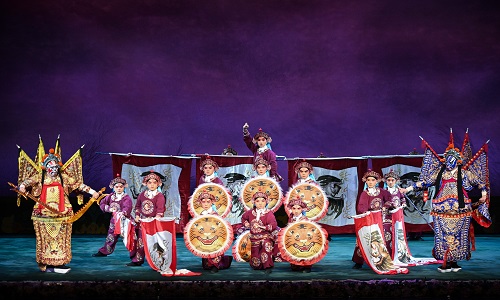
Address: Liyuan Theatre, 1st Floor, Qianmen Jianguo Hotel, No. 17 Qianmen West Street, Dongcheng District
Tel: +86 10 6501 6688
Website: https://www.liyuan-theatre.com/
Opening Time:
· Daily 19:30 - 20:40 (40-70 min condensed tourist shows, ideal for beginners)
· No shows on Lunar New Year’s Eve; special festive programs during Spring Festival (book at least 1 week in advance)
· Arrive 30 mins early to watch free pre-show actor makeup demonstration & guzheng music
· Peak season (Apr-Oct): daily performances; off-season: Wed-Sat guaranteed shows
Transportation:
· Subway: Take Line 1 to Tiananmen West Station (Exit B), walk 8 minutes; directly adjacent to Qianmen Street.
· Bus: Bus 2, 5, 48, 59 to Hufangqiao South Station, 3 mins’ walk.
· Tips: No on-site parking; book tickets online to secure front-row seats; free English subtitles & plot handouts are provided for all shows.
Highlights:
- Classic excerpts include Farewell My Concubine, Drunken Concubine, The Monkey King, Crossroads—short, visually stunning plots
- Traditional 8-person square tables, covered tea, and Beijing snacks available during the show (add-on fee)
- Optional backstage experience (extra cost): try on opera costumes, get a mini face-paint, take photos with performers
- Tang-suited staff offer English introductions; perfect for non-Chinese speaking tourists
Best Routes:
• 1-Hour Tourist Route: Ticket Check — Pre-show Makeup Viewing — 40-min Show — Souvenir Shop (opera masks, fans).
• 2-Hour Cultural Route: Liyuan Theatre Show — Qianmen Hutong Stroll — Traditional Snack Dinner (e.g., fried liver, soybean milk).
Tips for First-Timers:
· Front-row tables for close-up face-paint/costume details; balcony for panoramic stage views
· Avoid casual beachwear; dress neatly as a sign of respect for the art
· Don’t take flash photos during the performance (allowed during pre-show makeup)
· Tea and snacks can be ordered during the show but keep noise to a minimum
(2) Acrobatics (Red Theatre)
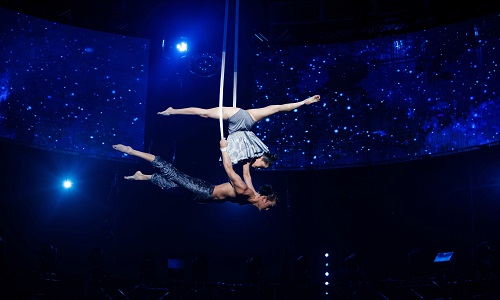
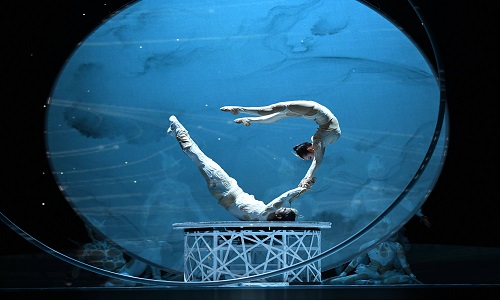
Address: No.44 Xingfu Street, Dongcheng District
Tel: +86 10 51662663 (Booking Line); +86 10 52865388 (Venue Service)
Website: https://www.hong-juchang.com/
Opening Time:
· Daily two shows: 16:20 - 17:20, 17:40 - 18:40 (60 mins thrilling show, suitable for all ages)
· Special show time adjustments on Lunar New Year holiday (book 3 days in advance for confirmation)
· No shows on Lunar New Year’s Eve; extra festive acrobatics & magic shows during Spring Festival
· Arrive 20 mins early for free lobby mini-acrobatic performances and photo opportunities with actors
Transportation:
· Subway: Take Line 5 to Tiantan East Gate Station (Exit B), walk 10 minutes east (turn left at Tiantan Hotel).
· Bus: Take Bus 8 to Xingfu Street Station, 2 mins’ walk; take Bus 6/34/41 to Beijing Gymnasium Station, 3 mins’ walk.
· Tips: On-site parking available (small fee); book tickets online for 20% discount; free English program notes provided at the entrance.
Highlights:
- World award-winning acts: Bowl Spinning (Silver Award of France Stage Fire International Acrobatics Festival), Double Skills (Gold Award of France Paris World "Tomorrow" Acrobatics Festival)
- Thrilling traditional Chinese acrobatics: Contortion, Hoop Diving, High Chair Act, Wire Walking, Bicycle Stunt and Sichuan Face Changing
- Stunning stage effects with professional lighting and sound; dynamic performance with strong interaction with the audience
- The show revives the traditional acrobatics of old Tianqiao, blending authentic Beijing cultural flair with high-difficulty skills
Best Routes:
• 1-Hour Acrobatics Experience Route: Ticket Check — Lobby Mini Show — 60-min Acrobatic Performance — Actor Photo Session.
• 2-Hour Culture & Acrobatics Route: Red Theatre Show — Tiantan Park Stroll — Local Snack Tasting (e.g., Douzhi, Jiaoquan).
Tips for First-Timers:
· Choose front-row seats for the most shocking viewing experience of high-risk stunts; middle seats for balanced sound and view
· Don’t take flash photos or make loud noises during the performance; applause is encouraged for the actors' wonderful acts
· Book the 16:20 weekday show for fewer crowds and better seat selection
- Local Life Immersion
These immersive activities let you step into the daily life of Beijingers, away from the tourist crowds, and experience the city’s most authentic warmth and traditions. From chatting with local families in old hutongs to practicing Tai Chi with elders in the sacred Temple of Heaven, each experience connects you deeply with Beijing’s culture and people, creating unforgettable memories of your trip.
(1) Hutong Family Visiting
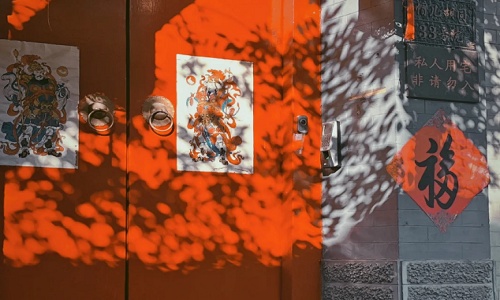
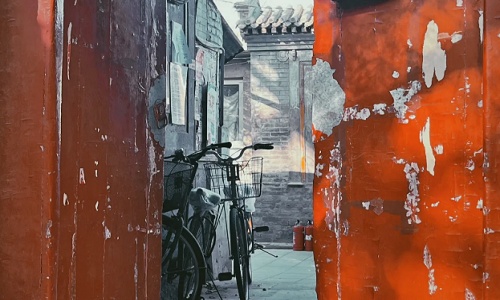
Core Experience:
Spend time with a local Beijing family in a century-old siheyuan (courtyard house), interact genuinely, and gain an intimate understanding of hutong life beyond sightseeing.
Key Activities:
· Listen to the family’s stories of hutong history, childhood memories, and changes in Beijing over the years
· Hands-on experience: Learn to make classic Beijing snacks (sugar figurines, pea flour cake, dumplings) with the host family
· Taste home-cooked Beijing dishes (fried liver, braised pork ribs) prepared by the hostess (included in the experience fee)
· Experience daily hutong life: Chat with elders over tea, play traditional Chinese games, or try on Hanfu for courtyard photos (free Hanfu provided)
Participation Tips:
· Book in advance via local cultural travel platforms (English service available)
· Arrive 10 minutes early; keep your voice down to respect local residents and the quiet hutong environment
· Wear comfortable flat shoes (stone-paved hutong roads are slightly uneven) and casual clothes
(2) Learn Tai Chi at Temple of Heaven
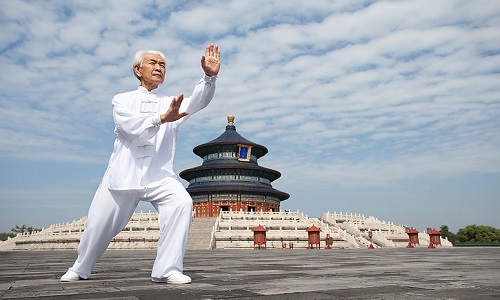
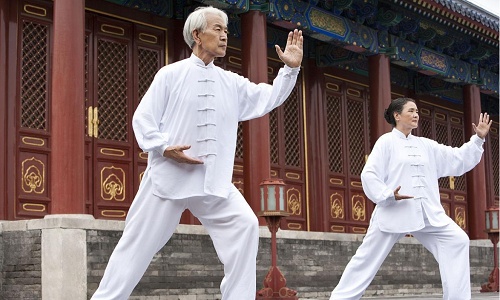
Core Experience:
Practice Tai Chi (a traditional Chinese martial art focusing on body-mind harmony) in the serene Temple of Heaven, joining local elders and professional masters for an authentic morning routine.
Key Activities:
· Choose between free public classes (for beginners) or paid private classes (one-on-one guidance)
· Beginners learn simplified Tai Chi moves, basic breathing techniques, and soft pushing hands (no prior experience needed)
· Practice in the quiet ancient cypress area, surrounded by imperial architecture and fresh air
· Interact with local elders who gather daily to practice Tai Chi, learning from their experience
Participation Tips:
· Best time: Morning 8:00-10:00 (free classes) for fresh air and the most authentic atmosphere
· Wear loose, comfortable sportswear and flat shoes; bring a water bottle and small towel
· No equipment needed—masters provide free guidance tools for beginners
· Arrive early for free public classes to get a good spot; book private classes 1 day in advance for flexible timing
- Cultural Workshops
These hands-on workshops offer a fun and immersive way to learn traditional Chinese art from professional masters, allowing you to create your own cultural souvenirs and gain a deeper understanding of Beijing’s time-honored craftsmanship. From the elegant strokes of Chinese calligraphy to the delicate art of paper cutting and the vivid colors of Peking Opera face painting, each workshop combines learning with creativity.
(1) Chinese Calligraphy
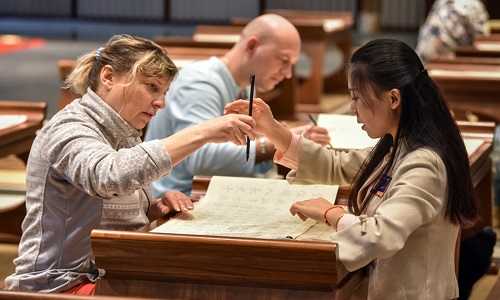
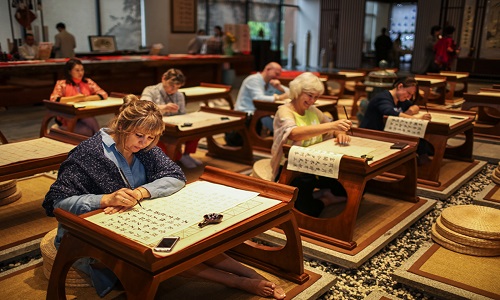
Core Experience:
Learn basic calligraphy strokes, brush-holding techniques, and simple Chinese characters from a professional master, experiencing the elegance and charm of traditional Chinese writing art.
Key Activities:
· Master teaches correct brush-holding posture and basic strokes (horizontal, vertical, dot, slash, etc.)
· Practice writing simple and auspicious Chinese characters (e.g., FU /blessing, AN /peace)
· Try writing on traditional rice paper with a writing brush and ink
· Take home your own calligraphy works (framing service available for an extra fee)
Participation Tips:
· No prior experience required; suitable for all ages, including children
· Wear casual clothes that are easy to move in (ink may stain, so avoid light-colored clothing)
· Workshops last 1-1.5 hours; book in advance to secure a spot
· Brushes, ink, rice paper, and ink slabs are provided; no need to bring your own equipment
(2) Peking Opera Face Painting
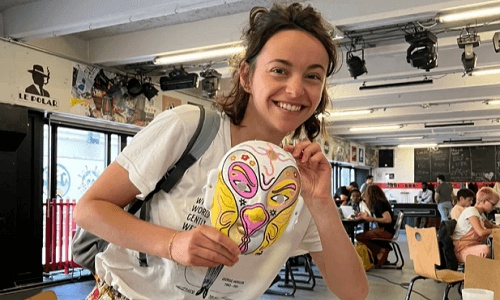
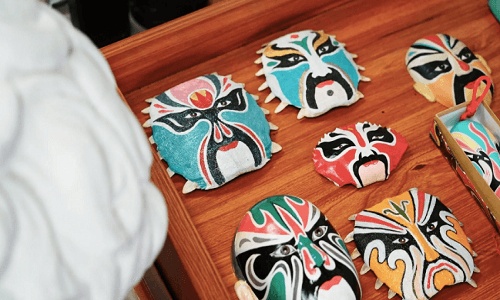
Core Experience:
Learn the basic knowledge and painting skills of Peking Opera face painting from a professional master, painting a vivid Peking Opera face mask and understanding the cultural connotations behind different facial designs.
Key Activities:
· Master introduces the colors and patterns of Peking Opera faces (e.g., red for loyalty, black for integrity, white for treachery)
· Learn to outline the face shape and fill in colors with professional pigments and brushes
· Paint a classic Peking Opera character’s face (e.g., Guan Yu, Bao Zheng, Monkey King) on a mask or your own face (face painting option available)
· Take photos with your finished face mask/face painting and learn the story of the character you painted
Participation Tips:
· Workshops last 1-1.5 hours; book in advance (especially for weekend slots)
· Pigments are non-toxic and easy to remove (bring makeup remover if choosing face painting)
· Masks are provided; you can take your painted mask home after the workshop
(3) Paper Cutting
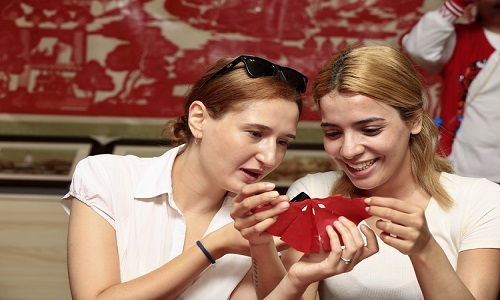
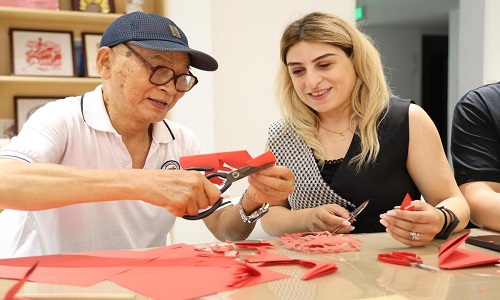
Core Experience:
Learn the basic skills of traditional Chinese paper cutting from a master, creating delicate and exquisite paper-cut works to take home as unique souvenirs.
Key Activities:
· Master demonstrates basic cutting techniques (folding, cutting, carving) and paper-folding methods
· Practice cutting simple patterns (flowers, animals, Chinese knots, auspicious symbols)
· Create a personalized paper-cut work (e.g., small window grilles, decorative pendants)
· Learn the cultural meanings behind different paper-cut patterns
Participation Tips:
· Scissors are provided (child-safe scissors for kids); be careful when using sharp tools
· Choose simple patterns for your first try; more complex designs are available for experienced participants
· Workshops are 1 hour long; paper and tools are included in the workshop fee
· Paper-cut works are lightweight and easy to carry, perfect as gifts for family and friends
4. Food & Culinary Adventures: A Feast for Food Lovers
Savor the authentic flavors of old and new Beijing, from iconic royal delicacies to humble hutong street snacks, each bite telling a story of the city’s rich culinary heritage. Explore a delicious blend of time-honored recipes and local twists, a feast that captures the soul of Beijing’s diverse and vibrant food culture.
- Beijing Local Cuisine
Indulge in classic Peking duck with crispy skin and juicy meat, pair the iconic sour douzhi with crunchy jiaoquan, and try sweet and savory treats like pea flour cake and candied hawthorns—all must-tries for a true taste of Beijing’s local fare.
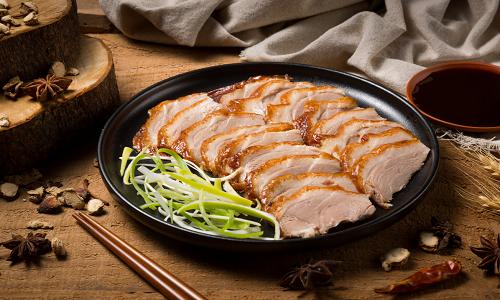
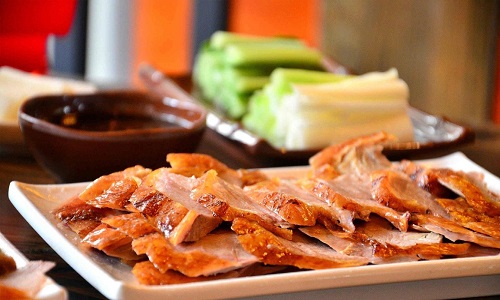
(1) Peking Duck
Origin:
· Dates back to the Ming Dynasty, initially a royal delicacy served in the imperial palace
· Later popularized among the general public in Beijing
· Now recognized as the iconic representative of classic Beijing cuisine worldwide
Flavor Profile:
· Duck skin: golden, crispy and non-greasy with a delicate fruit wood aroma
· Duck meat: tender, juicy and fresh with a mild, savory taste
· Combined taste: balanced and rich when eaten with lotus leaf pancakes, scallions, cucumber sticks and sweet bean sauce
Average Price:
· Tourist-friendly spots (3-4 people portion): ¥200-¥300
· Authentic high-end spots (3-4 people portion): ¥300-¥500
· Single person small portion: ¥80-¥150
Recommended Restaurants:
1. Tourist-friendly: Quanjude (Qianmen Branch) – classic brand, English service, convenient location near Tiananmen.
2. Authentic local favorite: Da Dong Roast Duck (Jianguomen Branch) – low-oil crispy skin, innovative side dishes, popular with locals.
3. Budget option: Bianyifang (Hepingmen Branch) – traditional closed-oven roasting, affordable price, genuine old Beijing taste.
(2) Zhajiangmian (Noodle Dish with Soybean Paste)
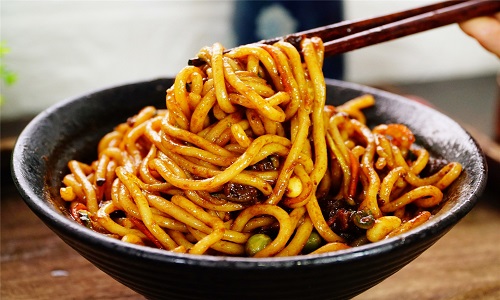
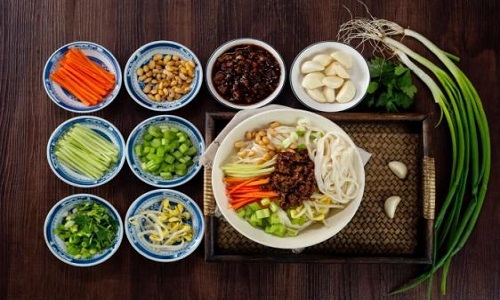
Origin:
· A classic northern Chinese noodle dish, with a history of over 300 years in Beijing
· Initially a popular home-cooked meal for local Beijing families
· Now a must-try street food and restaurant staple in Beijing's hutongs
Flavor Profile:
· Noodles: chewy, firm and smooth with a pure wheat taste
· Sauce: thick, salty and savory with rich meat and mushroom flavors, not greasy
· Combined taste: fresh and balanced with crisp vegetable shreds, suitable for all ages
Average Price:
· Hutong local eateries: ¥15-¥25 per bow
· Mid-range restaurants: ¥28-¥45 per bowl
· Family-style portion (for 2 people): ¥30-¥50
Recommended Restaurants:
1. Local hutong favorite: Laowang Zhajiangmian (Nanluoguxiang Branch) – authentic home-style taste, generous portion.
2. Classic restaurant: Beijing Noodle House (Qianmen Branch) – traditional hand-pulled noodles, various side dishes.
3. Street food spot: Wangfujing Snack Street – affordable price, quick service, classic hutong flavor.
(3) Douzhi & Jiaoquan (Fermented Soybean Milk & Fried Dough Ring)
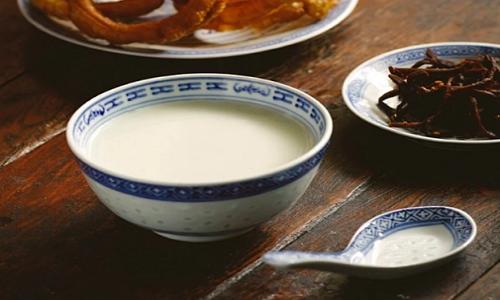
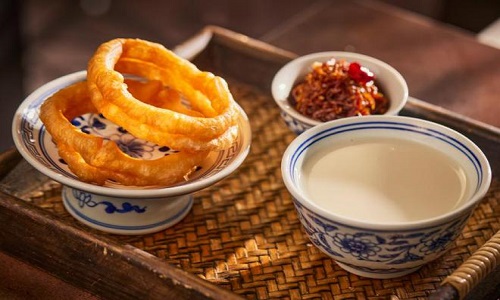
Origin:
· A time-honored matching snack with a history of over 300 years, popular since the Qing Dynasty in Beijing
· Initially a staple breakfast for local Beijing common people, deeply rooted in hutong daily life
· Once a royal side snack in the imperial palace, later spread to the folk and became a symbol of authentic old Beijing taste
Flavor Profile:
· Douzhi: Thick texture with a unique sour-salty taste and rich soybean fragrance, an acquired taste for new visitors
· Jiaoquan: Golden and crispy, light salty flavor, hollow inside, crisp but not hard with a faint wheat aroma
· Combo taste: The crispy jiaoquan neutralizes the smooth sourness of douzhi; pickled mustard tuber adds a refreshing crispness, a perfect balance of flavors for Beijingers
Average Price:
· Hutong street stalls (1 bowl douzhi + 2 jiaoquan): ¥4-¥8
· Old Beijing specialty snack shops (combo set): ¥10-¥15
· With extra side dishes (pickled vegetables/chili oil): +¥2-¥3
Recommended Restaurants:
1. Jinshi Douzhi (Xicheng District) – a century-old shop, the most authentic old Beijing taste, local elders' favorite.
2. Bianji Snack Bar (Wangfujing Branch) – freshly fried jiaoquan on the spot, hot douzhi served all day, tourist-friendly.
3. Hutong breakfast stalls near Shichahai/Nanluoguxiang – affordable price, genuine hutong flavor, experience local morning life.
(4) Fried Chop Rice Cake (Donkey Roll / Sweet Soybean Roll)
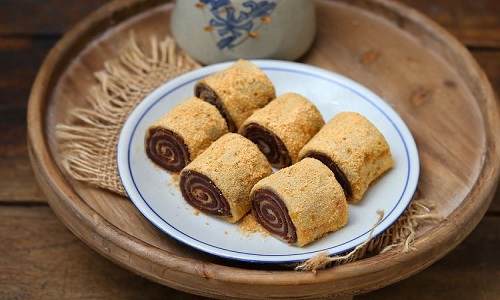
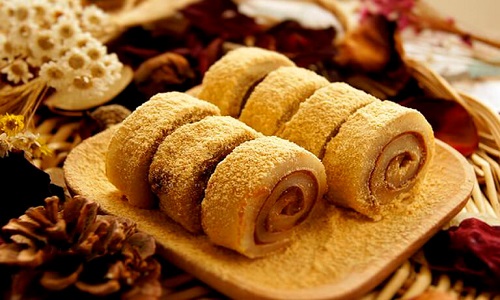
Origin:
· A classic old Beijing sweet snack with a history of over 300 years, a staple of local folk pastry culture
· Initially a popular street snack for common people, later became a favorite among the imperial court in the Qing Dynasty
· Now a iconic traditional pastry of Beijing, named for its rolling-making process that resembles a donkey rolling on the ground
Flavor Profile:
· Texture: Chewy and elastic glutinous rice skin, smooth and dense red bean paste filling, non-sticky to the teeth
· Taste: Mellow sweet soybean flour aroma, moderate sweetness of red bean paste with no cloying taste, pure grain flavor
· Overall: The chewy texture pairs perfectly with the soft filling, a warm and satisfying sweet treat with strong local characteristics
Average Price:
· Street snack stalls: ¥5-¥8 per box (6 pieces)
· Specialty snack shops: ¥10-¥18 per box
· Premium version (with sesame/peanut filling): ¥15-¥22 per box
Recommended Restaurants:
1. Huguosi Snack Bar (Xicheng Branch) – authentic handmade, chewy texture, classic red bean filling, local favorite.
2. Daoxiangcun (multiple branches) – delicate craftsmanship, fresh ingredients, exquisite packaging, ideal for souvenirs.
- Famous Food Markets & Streets
Wander through Beijing’s iconic food markets and streets, each with its own distinct flavors—from Guijie’s fiery late-night feasts to Huguosi’s classic old Beijing snacks and Niujie’s authentic halal treats, a flavorful journey through the city’s culinary heart.
(1) Guijie Food Street
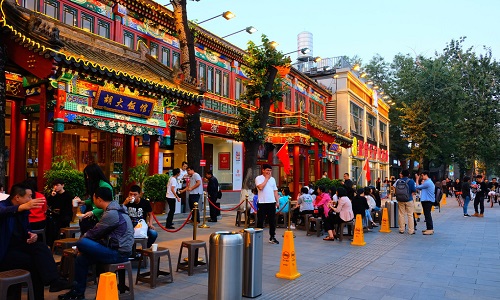
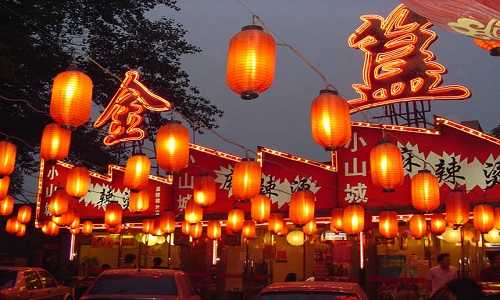
Must-Try Snacks: Spicy crayfish, spicy crab, grilled lamb skewers, boiled fish, braised pork knuckle, fried river snails
Items to Avoid: Overpriced seafood platters, pre-packaged snacks, "substitute dishes" after midnight, street food from random unlicensed stalls
Flavor Profile: No bargaining for fixed-price restaurant dishes; ask for free side dishes (garlic peanuts, pickles) for in-store dining; bring your own drinks to save costs (small corkage fee only)
Best Time to Visit: 18:00-22:00 (rich ingredients, lively atmosphere, shorter queues); 22:00-02:00 for authentic late-night local food experience
Pro Local Tips:Pre-order via official WeChat accounts of popular restaurants to skip queues; try hidden eateries on Dongzhimen Inner Alley for cheaper and more authentic flavors; take home leftover crayfish soup to cook noodle.
(2) Huguosi Snack Street
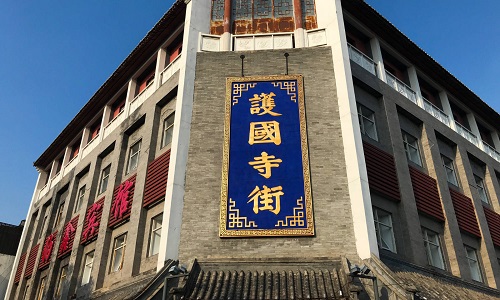
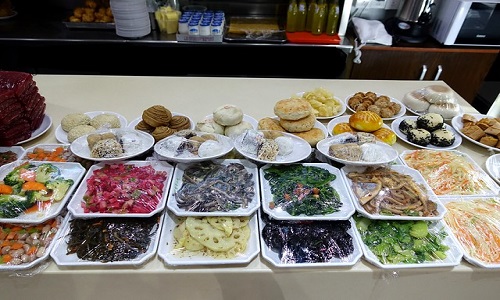
Must-Try Snacks: Douzhi & Jiaoquan, pea flour cake, stewed pork offal with baked wheat cake, donkey roll, Aiwowo, sugar-fried chestnuts
Items to Avoid: Overpriced fancy internet-famous desserts, non-local fried skewers, pre-packaged snack souvenirs with inflated prices
Flavor Profile: No bargaining at time-honored snack shops; bargain 10%-20% for bulk traditional candies and hand-made sugar figurines at street stalls
Best Time to Visit: 09:00-12:00 (freshly made morning snacks, few people); 16:00-19:00 (avoid midday heat, complete snack varieties)
Pro Local Tips:Recognize official time-honored signboards to avoid fake shops; prepare cash for some old-fashioned small stalls without electronic payment; pair douzhi with pickled mustard tuber for the most authentic local taste.
(3) Niujie Muslim Food Street
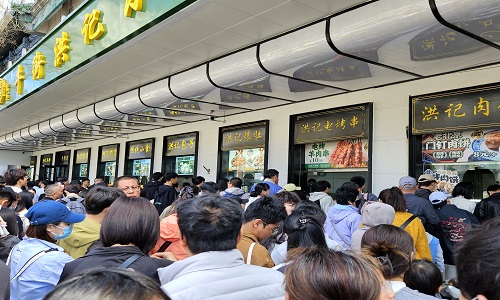
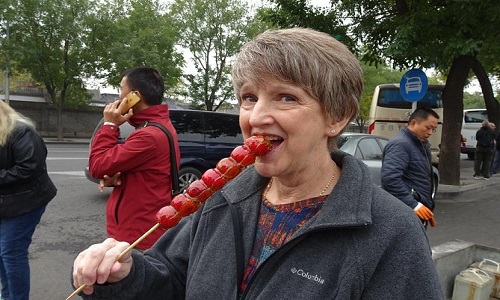
Must-Try Snacks: Hand-cut fresh mutton for hot pot, sesame seed cake with beef filling, yellow rice cake fritters, royal cheese, date cake, beef and green onion buns
Items to Avoid: Non-halal food sold by individual stalls, overpriced vacuum-packed cooked meat, unauthentic internet-famous desserts with high prices
Flavor Profile: No bargaining at brand snack shops and hot pot restaurants; bargain appropriately for bulk dry goods and fruits at the halal supermarket
Best Time to Visit: 08:00-11:00 (fresh breakfast and pastries, limited supply of signature buns); 17:00-19:00 (dinner peak, complete hot pot and skewer varieties)
Pro Local Tips:Arrive early at Baoyuyuan for hot pot to avoid long queues; buy rice cakes and Aiwowo at Baiji Niangao before 15:00 (sold out quickly); respect halal dietary customs and avoid bringing non-halal food into the street.
5. Neighborhood Explorations: Discover the Diverse Faces of Beijing
Wander through Beijing’s charming neighborhoods to uncover the city’s multi-faceted charm, where time-honored hutong lanes meet contemporary flair, scenic waterfronts blend with historic commercial streets, and every corner reveals unique stories of old and new Beijing.
- Historic Neighborhoods
Step into Beijing’s well-preserved historic neighborhoods, from the bohemian Yangmeizhuxiejie lined with indie boutiques and courtyard cafes, to scenic Shichahai with lakeside leisure and vibrant nightlife, and the time-honored Dashilan and Qianmen Street, where traditional craft stores, iconic eateries and restored ancient architecture preserve the authentic legacy of old Beijing’s merchant and folk culture.
(1) Yangmeizhuxiejie Street
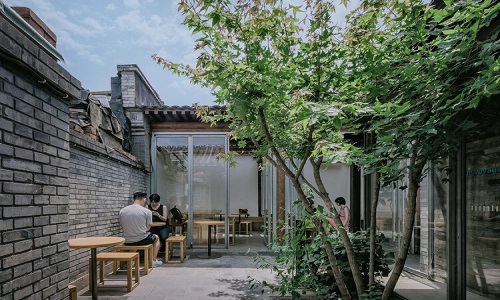
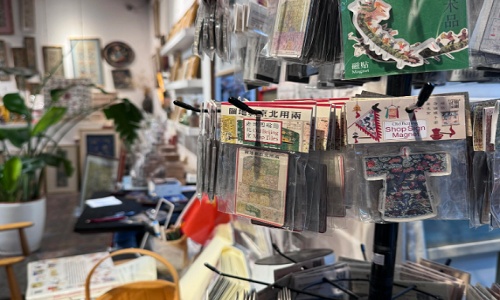
Core Vibe: Blending old Beijing hutong charm with trendy bohemian flair, a quiet yet vibrant lane with cozy courtyard cafes and unique indie shops.
Must-Do Experiences: Browse boutique designer stores, sip coffee in a restored siheyuan cafe, taste local street snacks while strolling the stone-paved lanes.
Local Highlights: Quirky handmade craft shops, hidden tea houses, family-run snack stalls serving authentic jianbing and sweet potato soup.
Best Spots for Photos: Red brick courtyard gateways, vintage storefronts with retro signages, leafy alley corners with hanging traditional lanterns.
Pro Local Tips: Visit on weekday mornings to avoid crowds; combine with a walk to Liulichang Cultural Street nearby for more art and craft shopping.
(2) Shichahai
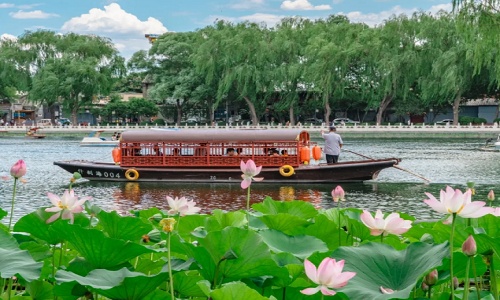
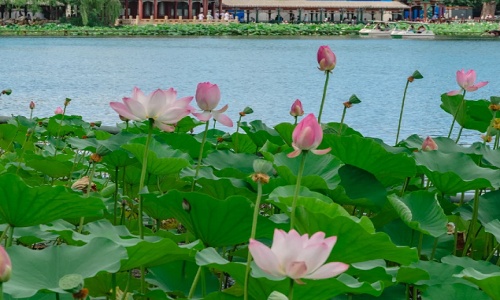
Core Vibe: Scenic waterfront hutong area with a mix of traditional Beijing leisure and lively nightlife, where old imperial lakes meet trendy bars and courtyard stays.
Must-Do Experiences: Take an evening boat ride on the lake with lotus views, stay in a traditional siheyuan hotel, enjoy live music at waterfront bars.
Local Highlights: Lakeside tea houses with lake views, authentic hutong restaurants serving Peking duck, traditional folk art performances in the evening.
Best Spots for Photos: Houhai Lake waterfront at golden hour, ancient stone bridges over the lake, red-walled courtyard entrances by the water.
Pro Local Tips: Avoid tourist trap restaurants near the main lake; explore the smaller hutongs branching off for genuine local eateries and quieter views.
(3) Dashilan & Qianmen Street
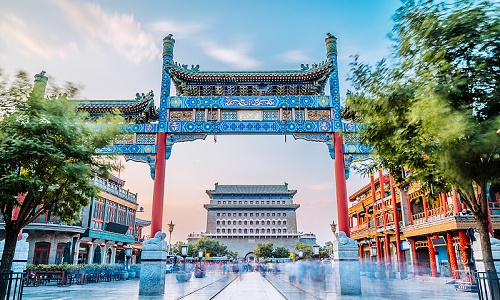
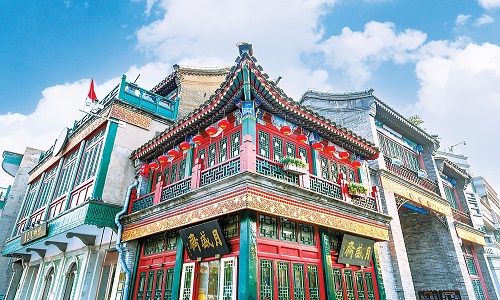
Core Vibe: A paired historic commercial hub where time-honored merchant culture meets restored imperial street charm; Dashilan preserves old Beijing’s century-old brand heritage, while Qianmen Street blends classic imperial architecture with modern commercial vitality, together forming a landmark for traditional and contemporary shopping, dining and cultural exploration.
Must-Do Experiences: Shop for silk, traditional handicrafts and souvenirs at century-old stores; taste classic Beijing pastries and iconic local delicacies at time-honored eateries; walk the imperial-style pedestrian street and take a vintage trolley car for a nostalgic ride on Qianmen Street.
Local Highlights: Century-old tea, jewelry and craft workshops in Dashilan; famous Peking duck restaurants and large handicraft malls on Qianmen Street; authentic tourist-free snack stalls and weekend street performances across both areas.
Best Spots for Photos: Traditional wooden storefronts with retro signboards and ancient archways in Dashilan; the central imperial archway, vintage trolley car and red lantern-lined storefronts at night on Qianmen Street; handmade craft workshop interiors across both streets.
Pro Local Tips: Prioritize well-known old-brand stores for genuine products and bargain gently at small craft stalls; dine at upper floors of Qianmen’s restaurants for better value and fewer crowds; visit in the evening for stunning light displays and a lively atmosphere on Qianmen Street.
- Modern Districts
Explore Beijing’s dynamic modern districts, where Sanlitun dazzles with trendy fashion, vibrant nightlife and international dining, the CBD boasts striking skyscrapers, upscale fine dining and contemporary art, and Xidan offers youthful, affordable shopping and a bustling street food scene—each area brimming with modern urban energy and distinct stylish vibes.
(1) Sanlitun
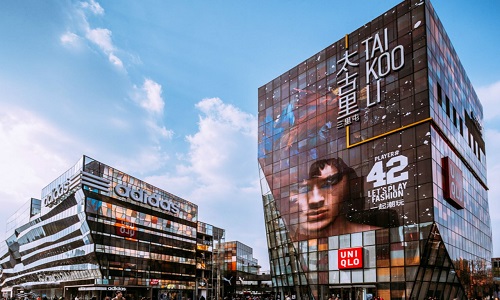
Core Vibe: Beijing’s iconic trendy hub blending high-fashion luxury, bohemian street style, and vibrant nightlife—where international trends meet local cool, perfect for fashion, food and socializing.
Must-Do Experiences: Wander the open-air Sanlitun Village for designer shopping, hop between trendy rooftop bars and cozy craft coffee shops, catch pop-up art exhibits and fashion events.
Top Shopping & Dining Picks: Luxury designer boutiques on North Sanlitun Road, indie fashion stores in Taikoo Li, international fusion restaurants and authentic local street food at food alleys.
Best Spots for City Views: Rooftop bars and restaurants with skyline views, the glass facade of Sanlitun Taikoo Li for modern urban photography.
Pro Local Tips: Visit on weekday afternoons to avoid crowds; head to South Sanlitun for more affordable shopping and local eateries; check social media for pop-up events in advance.
(2) CBD (Central Business District)

.jpg "China-World-Mall-Beijing")
Core Vibe: Beijing’s modern financial heart with striking skyscrapers, sleek contemporary design, and upscale leisure—blending business sophistication with world-class art and fine dining.
Must-Do Experiences: Admire the iconic China Zun and CCTV Headquarters architecture, visit modern art museums and galleries, enjoy fine dining with skyline views at high-rise restaurants.
Top Shopping & Dining Picks: High-end shopping malls with international luxury brands, Michelin-starred and gourmet restaurants, upscale coffee shops and cocktail lounges in skyscraper lobbies.
Best Spots for City Views: Observation decks of landmark skyscrapers, rooftop bars with panoramic CBD skyline views, the pedestrian walkways between skyscrapers for urban architecture shots.
Pro Local Tips: Visit in the late afternoon for golden hour photography and evening light shows; avoid peak commuting hours (8:00-9:00, 18:00-19:00) for easy walking; check museum opening hours in advance (some close on Mondays).
- University Areas
Immerse yourself in Beijing’s vibrant university areas, home to the serene, scholarly campuses of Tsinghua and Peking University, where historic architecture, lush gardens and intellectual charm blend seamlessly, and the lively international hub of Wudaokou, a melting pot of global cuisines, casual youth nightlife and diverse cultural vibes, all infused with the fresh, energetic spirit of young Beijing.
(1) Tsinghua & Peking University
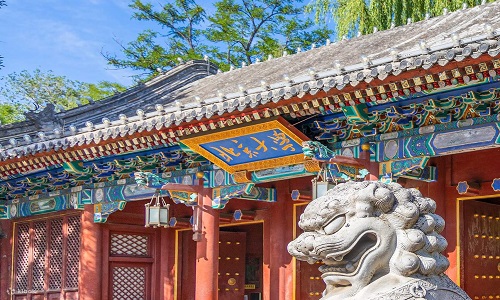
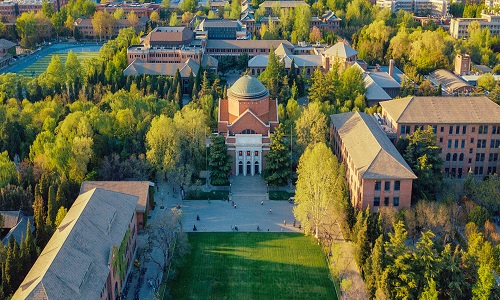
Core Vibe: Serene, scholarly campuses blending historic Chinese architecture, lush green gardens, and modern academic facilities—steeped in cultural and educational heritage, with a calm, intellectual atmosphere.
Campus/Area Must-Sees: Tsinghua’s Weiming Lake, the Old Summer Palace ruins nearby, Peking University’s Boya Tower and Unnamed Lake, historic academic buildings and traditional Chinese gardens on both campuses.
Food & Leisure Highlights: Affordable and delicious campus canteens (with temporary visitor passes), cozy campus coffee shops and bookstores, quiet garden benches for relaxing and people-watching.
Cultural & Youth Vibes: A mix of traditional Chinese culture and international academic vibes, frequent campus lectures, art exhibits and student events, a calm and inspiring atmosphere perfect for slow exploration.
Pro Local Tips: Apply for a visitor pass online in advance (mandatory for entry); visit on weekdays to avoid tour groups; wear comfortable shoes for walking the large campuses; respect academic spaces and avoid loud noise.
(2) Wudaokou
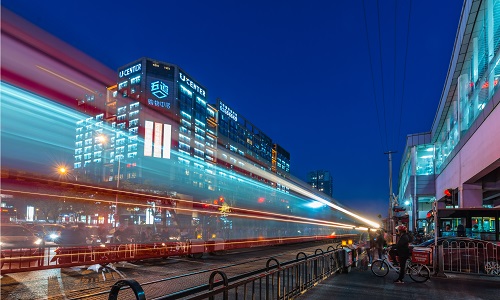
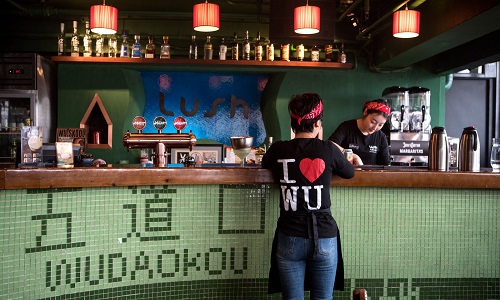
Core Vibe: Beijing’s vibrant "international student hub" with a diverse, youthful atmosphere—blending global cuisines, casual nightlife, and affordable leisure, where different cultures meet and mix.
Campus/Area Must-Sees: Bustling Wudaokou Pedestrian Street, the surrounding university campuses (Tsinghua, Peking, etc.), colorful street art and vibrant storefronts lining the main roads.
Food & Leisure Highlights: International food scene (Korean, Japanese, Western, Southeast Asian), casual youth bars and craft beer pubs, affordable milk tea shops, snack stalls and casual eateries.
Cultural & Youth Vibes: A melting pot of international and local youth culture, frequent student events and small music gigs, a laid-back, casual atmosphere with no pretension—perfect for meeting people and experiencing diverse flavors.
Pro Local Tips: Visit in the evening for the liveliest atmosphere; try the Korean street food and small family-run international restaurants for authentic flavors; use the subway Line 13 for easy access to nearby university campuses.
Best Things to Do in Beijing for Shoppers: Top Shopping Spots
Discover Beijing’s diverse shopping scene across luxury districts, local markets and modern malls—explore Wangfujing and SKP for high-end international brands and premium service, hunt for unique Chinese handicrafts, silk and antiques at Panjiayuan and Silk Street with classic bargaining fun, and shop affordable trendy fashion, electronics and family-friendly goods at Xidan Commercial Street and Wanda Plaza, with every spot blending shopping joy with distinct dining and leisure perks.
1. Luxury Shopping Districts
(1) Wangfujing
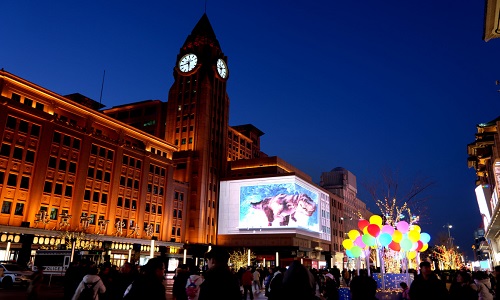
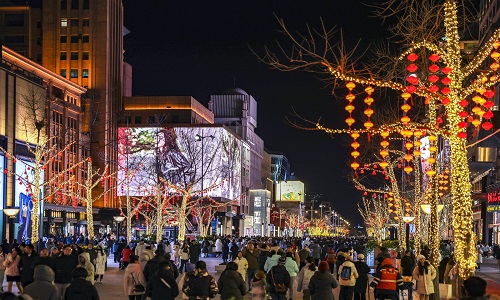
Address: Wangfujing Street, Dongcheng District, Beijing
Opening Time: 10:00-22:00 (most malls/stores); 09:00-23:00 (snack street & partial shops)
Shopping Experience: Mix of international luxury brands, high-end department stores, time-honored Chinese specialty stores and boutique shops; one-stop for luxury shopping and traditional souvenir picking.
Dining & Café Experience: A variety of high-end Western restaurants, authentic Chinese fine dining, popular coffee chains and classic Beijing snack stalls; covers both gourmet feasts and casual bites.
Ambiance & Best Time to Visit: Bustling, iconic commercial vibe with a blend of modern and traditional elements; Best time: 15:00-20:00 (avoid morning tourist groups, enjoy evening lights).
(2) SKP
Address: No 87, Janguo Road, Chaoyang District, Beijing 100025 China
Opening Time: 10:00 AM – 10:00 PM daily
Shopping Experience: Beijing’s top luxury mall with full range of international top designer brands, limited-edition collections and high-end lifestyle boutiques; high-end personalized shopping service and exclusive pop-up exhibits.
Dining & Café Experience: Michelin-recommended restaurants, upscale Western & fusion cuisine, luxury coffee lounges and gourmet dessert shops; high-quality dining matching luxury shopping experience.
Ambiance & Best Time to Visit: Sleek, minimalist modern luxury vibe with artistic installations and immersive scene design; Best time: 10:00-14:00 (fewer people, smooth shopping).
2. Local Markets & Souvenirs
(1) Panjiayuan Antique Market
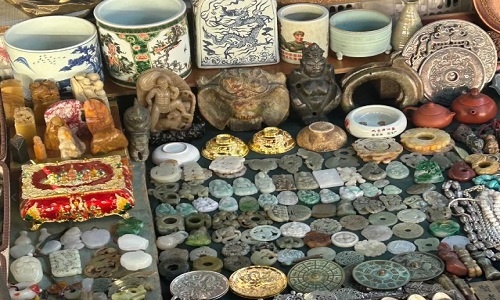
Address: 28 Panjiayuan South Road, Chaoyang District, Beijing
Opening Time: 08:30-18:00 (daily); 04:00-09:00 (morning flea market, weekends only)
Must-Buy Souvenirs: Vintage Chinese handicrafts, jade carvings, porcelain, calligraphy and painting replicas, traditional jewelry, wooden crafts and folk art ornaments.
Bargaining & Authenticity Tips: Bargain starting at 1/3 of the asking price (flexible based on goods); most antiques are replicas—ask clearly for "vintage style" vs "authentic antique"; check craftsmanship for small handicrafts.
Ambiance & Best Time to Visit: Lively, rustic flea market vibe with a strong cultural atmosphere; Best time: 09:00-14:00 (weekends, full goods variety, comfortable temperature).
Pro Shopping Tips: Bring cash for small stalls (partial no electronic payment); avoid buying high-priced "antique" items without professional identification; pick small handicrafts for cost-effective souvenirs.
(2) Silk Street (Silk Market)
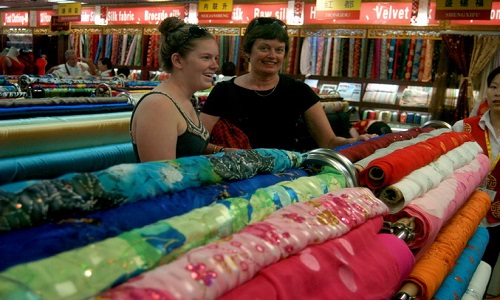
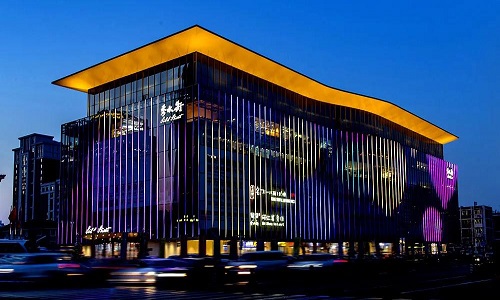
Address: Address: 8 East Jianwai Street, Chaoyang District, Beijing
Opening Time: Opening Time: 09:00-21:30 (daily)
Must-Buy Souvenirs: High-quality silk scarves, cheongsams, silk bedding, traditional Chinese embroidery, jade jewelry, tea sets and custom clothing.
Bargaining & Authenticity Tips: Bargain 50%-70% of the asking price (aggressive for tourist-oriented goods); check silk texture (real silk is cool, breathable and has luster); avoid fake luxury brands (no official authorization).
Ambiance & Best Time to Visit: Bustling, tourist-friendly market vibe with multi-language service; Best time: 10:00-15:00 (fewer people, attentive service).
Pro Shopping Tips: Shop on upper floors for better silk quality and less crowd; ask for free gift wrapping for souvenirs; check product details carefully before payment.
3. Modern Malls & Trendy Shopping
(1) Xidan Commercial Street
Address: Xidan Street, Xicheng District, Beijing
Opening Time: 09:30-22:00 (most malls); 09:00-23:00 (street stalls & snack shops)
Shopping Highlights: Affordable fast fashion brands, trendy local clothing stores, electronic product malls, beauty & skincare counters and small accessory boutiques; youth-oriented, cost-effective shopping.
Family & Leisure Perks: Indoor children’s play areas in large malls, movie theaters, KTV and arcade centers; one-stop for shopping and family entertainment.
Dining & Snack Options: Popular fast food chains, casual Chinese restaurants, milk tea & dessert shops, and bustling street snack stalls; covers all price ranges and flavors.
Ambiance & Best Time to Visit: Lively, youthful and energetic commercial vibe with crowded pedestrian streets; Best time: 16:00-21:00 (evenings, lively atmosphere, full shop variety).
(2) Wanda Plaza
Address: Multiple branches (Chaoyang, Haidian, Fengtai Districts, etc.)
Opening Time: 10:00-22:00 (daily, unified for all branches)
Shopping Highlights: Comprehensive mix of mid-range fashion brands, sports goods stores, home furnishing boutiques, beauty stores and electronic product counters; family-friendly one-stop shopping.
Family & Leisure Perks: Large cinemas, indoor playgrounds, bowling alleys, ice rinks (partial branches) and parent-child experience stores; rich entertainment for all ages.
Dining & Snack Options: Diverse catering—Chinese local cuisines, international fusion food, fast food, casual cafes and snack courts; various flavors to meet family needs.
Ambiance & Best Time to Visit: Modern, bright and comfortable family-friendly mall vibe with convenient facilities; Best time: 10:00-14:00 (weekdays, fewer people) / 18:00-20:00 (weekends, family leisure peak).
Best Things to Do After Dark in Beijing: The City's Nightlife Unveiled
Experience Beijing’s vibrant nightlife after dark, where cozy waterfront bars at Houhai and hipster hutong bars in Gulou offer diverse drinking and live music vibes, Guijie and Donghuamen serve up delicious late-night eats and bustling night market energy, the CBD skyline and Houhai night boating provide stunning views and serene moments, and night Peking Opera, thrilling acrobatics, and diverse live music venues showcase the city’s cultural and energetic side—every activity blending relaxation, excitement, and local charm.
1. Trendy Bar Districts
(1) Houhai Lake Bars
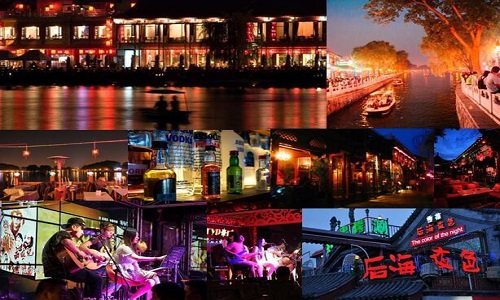
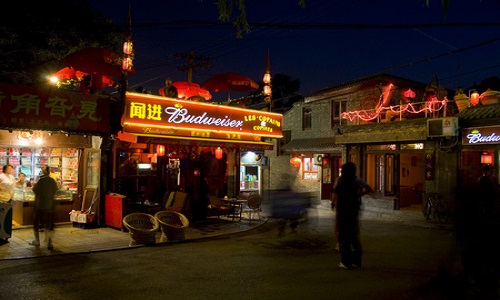
Core Vibe: Cozy waterfront charm with relaxed, casual vibes, blending old Beijing hutong scenery and gentle lake breezes.
Must-Experience Highlights: Sip craft cocktails at lakefront terraces, listen to live folk/pop music from bar stages, stroll the lit lakeside after drinks.
Best for: Leisure drinks, lake views, casual socializing, romantic nights.
Pro Night Tips: Arrive at 19:00-20:00 for the best lakefront seats; avoid overpriced drinks at the most crowded lakeside bars; walk the less busy north bank for quieter spots.
(2) Gulou Area
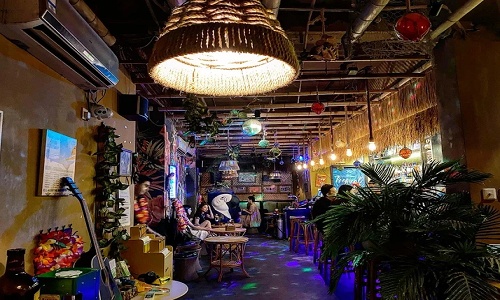
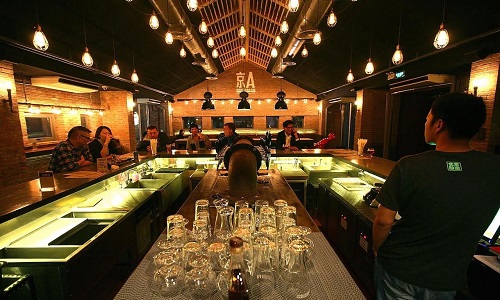
Core Vibe: Hipster, bohemian and laid-back, with a mix of tiny indie bars, vintage decor and local youth culture.
Must-Experience Highlights: Discover hidden speakeasy-style bars in hutongs, enjoy live indie rock/folk music, chat with friendly bartenders for custom drinks.
Best for: Hipster vibes, live indie music, hutong exploration, intimate small-group hangs.
Pro Night Tips: Wander the side hutongs off Gulou Main Street for unique bars; most bars have no cover charge; cash is preferred at some tiny local spots.
2. Night Markets & Late-Night Eats
(1) Guijie Food Street
Core Night Vibe: A legendary late-night culinary landmark in Beijing, bustling with neon signs and a vibrant, energetic atmosphere—where locals and visitors gather to savor bold, fiery flavors long into the night, blending street vitality with authentic dining fun.
Late-Night Must-Tries: Sizzling spicy crayfish (a signature dish here), fragrant grilled skewers (lamb, beef and vegetable varieties), numbing Sichuan hot pot, braised bullfrog, and refreshing local craft beer to balance the heat.
Nighttime Highlights: Operating 24 hours on weekends (and till 4:00 AM on weekdays), the street is lined with time-honored local restaurants and popular food stalls, with the aroma of spices filling the air and lively chatter from diners.
Pro Night Eats Tips: Skip the overcrowded restaurants right at the street entrance—head 100 meters inward for more authentic flavors and shorter queues; opt for family-style restaurants if dining in a group for better value; ask for "less spicy" if you’re not used to Sichuan/Chongqing-style heat.
(2) Donghuamen Night Market
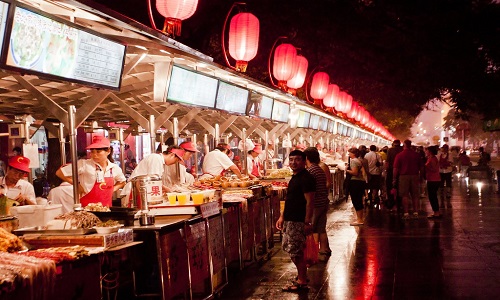
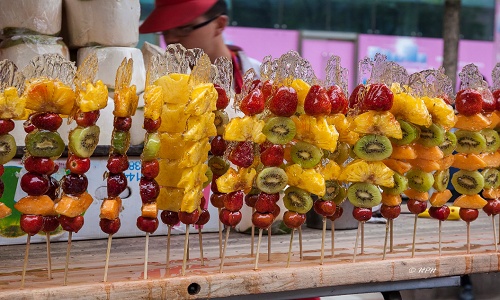
Core Night Vibe: A colorful, bustling open-air night market that caters to both locals and tourists, featuring a diverse mix of Chinese and international street food, with bright lights, lively vendor calls and a casual, festive atmosphere perfect for walk-and-eat exploration.
Late-Night Must-Tries: rispy and aromatic fried stinky tofu (a beloved local snack), sweet and tangy candied hawthorn skewers, fluffy Beijing jianbing (savory crepe with fillings), creamy coconut ice cream, and assorted grilled skewers with unique seasonings.
Nighttime Highlights: Compact and easy to navigate, the market boasts dozens of food stalls offering a taste of different regions, with vendors often showcasing their cooking skills on-site, adding to the lively ambiance.
Pro Night Eats Tips: Inspect the freshness of ingredients before ordering, especially for cold dishes; feel free to bargain gently for combo orders (e.g., two snacks for a discounted price); bring wet wipes and hand sanitizer for convenient on-the-go eating; don’t overindulge—leave room to try a variety of flavors.
3. Night Views & Evening Activities
(1) CBD Skyline
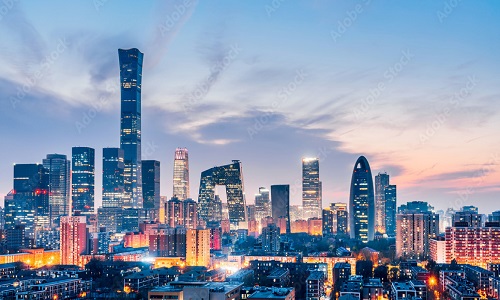
Core Night Experience: A spectacular display of Beijing’s modernity, where towering skyscrapers (including the iconic China Zun) light up the night sky with dazzling neon lights and dynamic light shows, offering a breathtaking glimpse of the city’s contemporary charm.
Best Experience Details: Evening light shows typically run from 19:30 to 21:30, with the most vibrant displays around 20:00; the experience is casual and relaxed—you can walk along the green belts, sit on benches, or simply stand and admire the glittering skyline.
Top Viewing/Playing Spots: Dawangjing Central Park (offers unobstructed views of the CBD cluster), the pedestrian overpass near China World Mall (perfect for capturing skyline photos with street scenes), and the rooftop garden of SKP Mall (for a more upscale viewing experience).
Pro Night Activity Tips: Visit on clear, windless nights for the clearest views; avoid the 18:00-19:00 rush hour to skip traffic and crowds; bring a camera to capture the skyline (a wide-angle lens works best); wear a light jacket as evenings can get cool.
(2) Houhai Night Boating


Core Night Experience: A serene and romantic escape from the city’s hustle and bustle, where you can glide across the calm waters of Houhai Lake under the glow of waterfront lights, with distant live music drifting across the lake and gentle breezes keeping the night cool.
Best Experience Details: Boat rentals are available from 19:00 to 22:30, with options including pedal boats (ideal for small groups) and row boats (for a more leisurely pace); each ride lasts 30-60 minutes, allowing you to take in the lake’s night scenery at your own speed.
Top Viewing/Playing Spots: The main pier near Houhai South Gate (most convenient for boat rentals), the west bank of the lake (quieter, with fewer boats and more scenic views of hutong rooftops), and the area near Yinding Bridge (where you can see the lights of nearby bars reflected in the water).
Pro Night Activity Tips: Rent boats from official booths to avoid scams or overpricing; bring a small blanket or light jacket for the lake breeze; share a boat with friends or family to split the cost; if you’re visiting in winter, check for heated boat options (available at some piers).
4. Evening Performances
(1) Night Peking Opera Shows
Core Performance Vibe: A refined, accessible introduction to traditional Chinese opera, with shortened, curated acts designed for tourists—blending exquisite facial makeup, graceful dance movements, melodious arias and vivid storytelling, all in a comfortable, modern venue.
Must-Watch Highlights: Condensed versions of classic Peking Opera excerpts (such as "Farewell My Concubine" and "The Legend of the White Snake"), stunning traditional costumes adorned with intricate embroidery, and interactive segments where the audience can learn simple opera gestures.
Suitable for: Culture enthusiasts, first-time viewers of Peking Opera, family travelers, and anyone interested in exploring traditional Chinese art and history.
Pro Night Show Tips: Book tickets online 1-2 days in advance to secure good seats (look for venues with English subtitles for easier understanding); arrive 15 minutes early to enjoy the pre-show exhibition of opera costumes and props; avoid wearing casual loungewear—dress neatly out of respect for the art form.
(2) Acrobatics Shows
Core Performance Vibe: A thrilling, high-energy evening of entertainment, featuring elaborate acrobatic acts that showcase incredible skill, precision and teamwork—with stunning stage lighting, dynamic music and complex props that make the evening shows even more spectacular than daytime performances.
Must-Watch Highlights: Heart-stopping aerial silk performances (artists twisting and soaring high above the stage), lively lion dancing with acrobatic flourishes, precise plate-spinning acts, death-defying bicycle stunts, and impressive human pyramid formations that showcase extraordinary strength.
Suitable for: Families with children, thrill-seekers, all types of tourists, and group travelers looking for an exciting night out.
Pro Night Show Tips: Choose seats in the middle of the theater for the best viewing angle (avoid the front rows if you’re sensitive to loud music or bright lights); check the show duration in advance (most evening shows last 90-120 minutes); refrain from taking photos or videos during key acts—flash photography can distract the performers.
(3) Live Music Venues
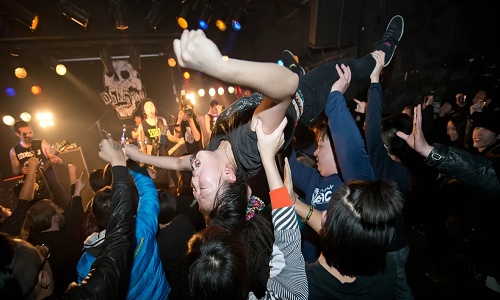
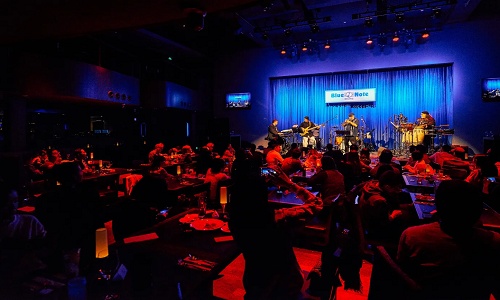
Core Performance Vibe: A diverse range of intimate, immersive atmospheres—from cozy jazz clubs with mellow melodies to energetic rock bars with pulsating beats and warm folk music spots with soulful vocals—offering a chance to experience Beijing’s vibrant live music scene up close.
Must-Watch Highlights: Performances by talented local and international musicians, improvised jazz solos that showcase musical mastery, heartfelt folk song renditions that tell stories of Beijing life, and high-energy rock shows where the audience can sing and dance along.
Suitable for: Music lovers (jazz, rock, folk, etc.), young travelers, small groups of friends, and anyone looking for a casual, fun night out with great music.
Pro Night Show Tips: Check the venue’s official social media pages for performance schedules (many small venues host different artists each night); some intimate venues have a minimum consumption requirement (usually a drink per person); arrive 30 minutes early for front-row spots at popular shows; keep your voice down during performances to respect the artists and other audience members.
Best Family-Friendly Activities in Beijing: Fun Things for Families to Do
Explore a variety of family-friendly activities in Beijing that blend fun, learning and bonding—from exciting theme park adventures and interactive educational experiences to relaxed outdoor outings and hands-on cultural workshops, all designed to delight kids of all ages while creating warm, memorable moments for the whole family.
1. Theme Parks & Amusement
(1) Beijing Happy Valley
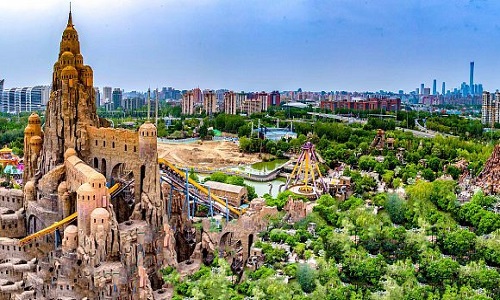
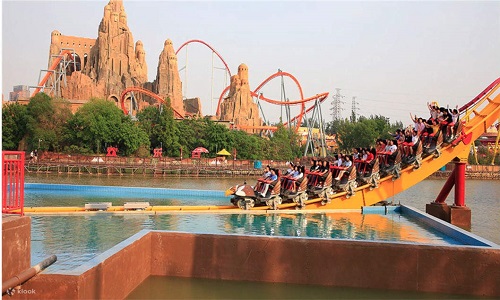
Family Vibe: Vibrant and joyful, with a perfect mix of thrills and gentleness—suitable for families with kids of all ages (toddlers to teens), balancing exciting rides with relaxed viewing experiences, and filled with colorful decorations and lively energy that keeps both kids and adults engaged.
Must-Try Rides & Experiences: Gentle rides for young kids (carousel, mini train, bumper cars), moderate thrills for older kids and parents (roller coasters for beginners, Ferris wheel), and family-friendly shows (parades with cartoon characters, acrobatic performances, evening light shows).
Kid-Friendly Perks: Free stroller rentals (with ID), multiple parent-child rest areas with sofas and changing tables, baby feeding rooms, kids’ restrooms with small sinks, and designated play zones for toddlers to take breaks.
Crowd & Timing Tips: Best time: Weekday mornings (10:00-14:00) or late afternoons (16:00-19:00) to avoid peak crowds; avoid weekends, holidays, and summer afternoons (too hot and crowded); arrive 30 minutes early on opening days for shorter ride queues.
Pro Night Show Tips: Bring your own snacks and water (park food is pricey); book tickets online in advance for discounts; take 15-20 minute rest breaks every 1-2 hours (especially for young kids); wear comfortable shoes for walking (the park is large); check the show schedule in advance to catch your kids’ favorite performances.
(2) Universal Beijing Resort
Family Vibe: Immersive and magical, blending popular movie themes with family-friendly fun—suitable for kids aged 3+, with something for every family member, from gentle rides for toddlers to engaging shows for all ages, and a warm, welcoming atmosphere.
Must-Try Rides & Experiences : Kid-centric lands (Minion Land, Kung Fu Panda Land of Awesomeness) with gentle rides and interactive games, family-friendly rides (Harry Potter and the Forbidden Journey™ for older kids, Despicable Me Minion Mayhem for all ages), and live shows (Universal’s Super Nintendo World™ parades, character meet-and-greets).
Kid-Friendly Perks: Stroller rentals (single and double, available at the entrance), family restrooms with changing tables, nursing rooms, kids’ menus at all restaurants, height measurement stations for rides (clear signage), and priority access for families with young kids (at select rides).
Crowd & Timing Tips: Best time: Weekdays in spring (March-May) or autumn (September-November) (mild weather and fewer crowds); avoid summer (hot and crowded) and holidays; start with Minion Land or Kung Fu Panda Land in the morning (less crowded), save popular rides for late afternoon.
Pro Night Show Tips: Purchase a Universal Express Pass (worth it for families to skip long queues); bring small snacks and a reusable water bottle (water fountains are available); plan rest breaks between rides (visit a café or sit in a shaded area); let kids pick 1-2 favorite rides to prioritize (avoids tiredness); book character meet-and-greets in advance if possible.
2. Museums & Educational Spots
(1) China Science and Technology Museum
Family Vibe: Interactive, curious and engaging—blending hands-on fun with clear science education, perfect for sparking kids’ interest in STEM and letting them explore through play.
Kid-Favorite Exhibits: Interactive science experiment zones, space and aerospace displays, children’s science playground, robot demonstrations, life science models and natural phenomenon simulators.
Educational Highlights: Teaches basic physics, chemistry and biology principles through games; introduces space exploration, engineering and technological innovation; helps kids understand abstract science with tangible experiences.
Kid-Friendly Facilities: Stroller rentals, family rest areas, nursing rooms, child-sized restrooms, science-themed cafes and gift shops with educational toys.
Pro Night Show Tips: Plan 3–4 hours for a relaxed visit; book tickets online in advance; focus on 2–3 key zones to avoid rushing; bring a small notebook for kids to record fun discoveries; visit on weekdays to avoid crowds.
(2) Beijing Zoo


Family Vibe: Lively, natural and relaxing—an open, green space where kids can get close to animals, with a calm, cheerful atmosphere ideal for slow family walks.
Kid-Favorite Animals: Giant pandas, golden monkeys, giraffes, elephants, penguins, tropical fish and small mammals in the petting-friendly zones.
Educational Highlights: Teaches animal species, habitats and behaviors; promotes awareness of wildlife protection; explains ecological balance through on-site signs and occasional keeper talks.
Kid-Friendly Facilities: Wide stroller-accessible paths, shaded rest benches, nursing rooms, kid-friendly restaurants, snack stands and a small sightseeing train for tired little ones.
Pro Night Show Tips: Arrive before 9:00 AM for more active animals; wear comfortable walking shoes; bring snacks and water; allow 2–3 hours for a full visit; start with the most popular animals to keep kids motivated.
3. Outdoor Family Activities
(1) Fragrant Hills Park Hiking
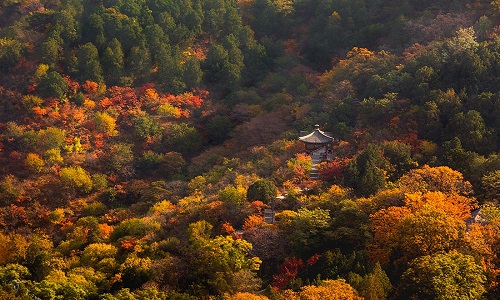
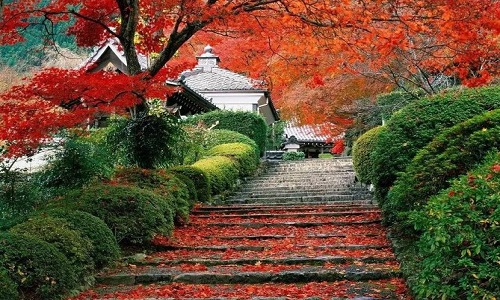
Family Vibe: Peaceful, nature-filled and laid-back—ideal for slow family walks, with fresh air, greenery and gentle slopes that keep kids relaxed and engaged.
Kid-Suitable Activities: Easy, well-paved hiking trails (short sections for little legs), scenic lookout points with city views, designated picnic areas, and small stone paths for gentle exploration.
Family Perks: Shaded rest benches along trails, flat lawns for picnics, clean public restrooms, stroller-accessible main paths, and nearby snack stalls for quick energy boosts.
Best Time to Visit: Spring (April–May) for blooming flowers and autumn (October–November) for colorful foliage; avoid summer heat and winter cold; go early morning (8:00–10:00) for cooler temperatures and fewer crowds.
Pro Night Show Tips: Bring a picnic mat, snacks and water; wear non-slip, comfortable shoes; take 10-minute breaks every 30 minutes of walking; stick to main trails for safety; let kids set the pace to avoid tiredness.
(2) Houhai Boating
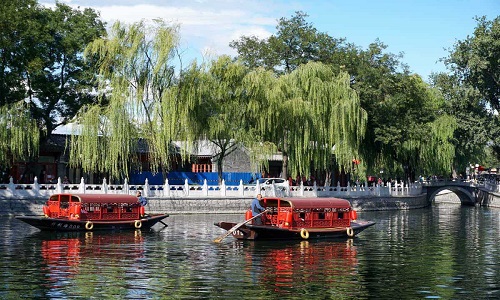
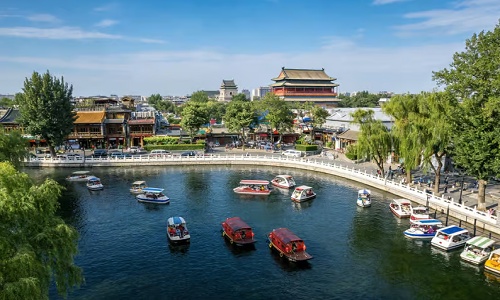
Family Vibe: Calm, scenic and relaxing—offers a gentle water experience with lake views, soft breezes and a quiet atmosphere perfect for family bonding.
Kid-Suitable Activities: Family-friendly boat rentals (pedal boats, rowboats, small electric boats for 2–4 people), slow lake cruises, viewing waterfront lights and watching ducks/fish in the water.
Family Perks: Life jackets provided for all ages, stable boat designs for safety, nearby lakeside cafes for pre/post-boating snacks, easy pier access, and short ride durations (30–60 minutes) to match kids’ attention spans.
Best Time to Visit: Late afternoon to early evening (17:00–20:00) for mild weather and beautiful sunset/lake lights; avoid windy days; weekdays are quieter than weekends.
Pro Night Show Tips: Rent boats from official piers to avoid overpricing; bring a light jacket for lake breezes; keep kids seated at all times; don’t bring heavy bags; end boating by 21:00 for a smooth return to shore.
4. Family-Friendly Cultural Experiences
(1) Chinese Paper Cutting Workshops
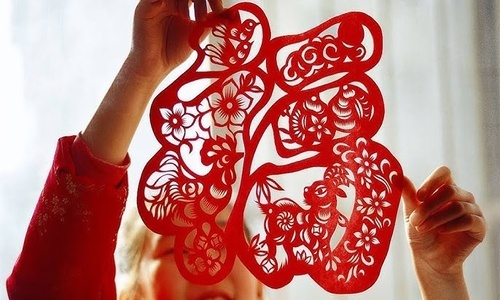
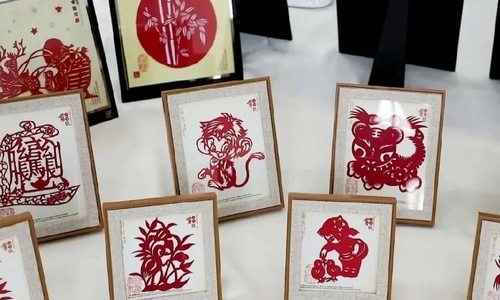
Family Vibe: Creative, hands-on and warm—blending traditional folk art with playful creativity, perfect for kids to explore art and culture while bonding with parents.
Kid-Friendly Details: Simple, pre-drawn patterns (animals, flowers, cartoon shapes) for easy cutting; child-safe plastic scissors and thick paper; step-by-step guidance from instructors; suitable for ages 5+.
Family Bonding Highlights: Parents and kids design and cut together, share finished artworks, take home handmade souvenirs, and learn about the history and symbolism of Chinese paper cutting.
Practical Info: Duration 60–90 minutes; most workshops provide all materials; book in advance (especially on weekends); fees usually include tools and take-home paper cuts.
Pro Night Show Tips: Let kids pick their favorite patterns first; help with tricky cuts but let them lead; take photos of the finished works; bring a small bag to carry paper cuts home.
(2) Hutong Biking
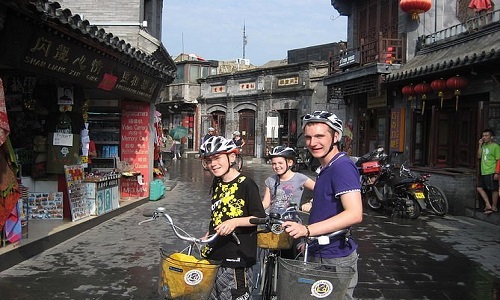
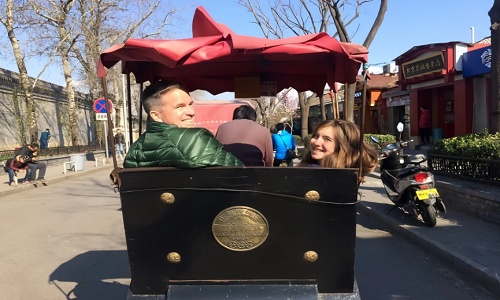
Family Vibe: Slow, relaxed and down-to-earth—exploring old Beijing’s narrow lanes at a gentle pace, with plenty of stops to look around, chat and discover local life together.
Kid-Friendly Details: Child-sized bikes, child seats or tag-along trailers available; slow, flat routes with no heavy traffic; frequent stops at courtyards, small shops and scenic spots; guides speak simply and interact with kids.
Family Bonding Highlights: Ride side by side, point out interesting hutong details, stop for snacks or photos, listen to stories about old Beijing, and experience local daily life together.
Practical Info: Duration 1.5–2.5 hours; meet at a central hutong area; book a family-friendly tour in advance; fees include bike rental, guide and sometimes a small snack.
Pro Night Show Tips: Wear comfortable shoes and light clothes; bring water, sunscreen and a hat; let kids set the riding speed; follow the guide’s safety rules; take breaks whenever kids need.
Day Trips from Beijing: Explore Beyond the City’s Limits
Venture beyond Beijing on rewarding day trips that showcase diverse charm—explore well-preserved historic sites with profound imperial heritage, escape to scenic natural landscapes for outdoor relaxation and seasonal fun, and immerse yourself in ancient cultural cities with time-honored architecture and traditional vibes, all easily accessible with convenient transportation options for a fulfilling one-day adventure.
1. Nearby Historic Sites
(1) Chengde Mountain Resort
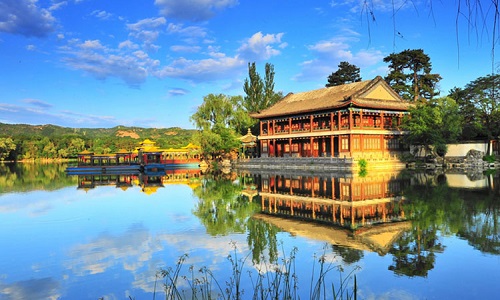
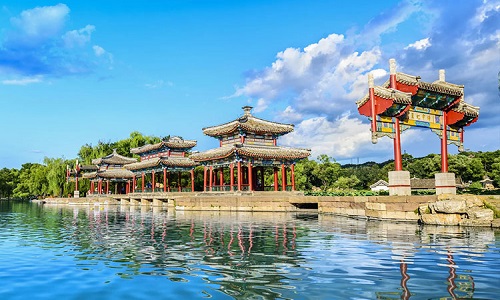
Core Historic Vibe: A grand imperial complex blending imperial grandeur with natural serenity, once the summer retreat and political center of the Qing court, featuring a unique fusion of southern Chinese water town elegance and northern grassland vastness.
Must-See Historic Attractions: The Palace Area (imperial residences and halls), Lake Area (scenic pavilions and bridges), Mountain Area (hiking trails with panoramic views), and iconic Outer Temples including Putuo Zongcheng Temple (Little Potala Palace) and Xumi Fushou Temple.
Transportation Options (from Beijing): High-speed rail (around 1 hour, fastest and most convenient); long-distance bus (around 2.5–3 hours); self-driving (around 2.5–3 hours via expressway).
One-Day Itinerary Highlights: Morning: Explore the Palace and Lake Areas to experience imperial life; Afternoon: Visit the iconic Outer Temples for Buddhist art and architecture; Evening: Return to Beijing.
Pro Day-Trip Tips: Book combined tickets online in advance; start early (7–8 AM) in summer to avoid heat and crowds; wear comfortable walking shoes for extensive walking; allocate 6–7 hours for a thorough visit.
(2) Eastern Qing Tombs
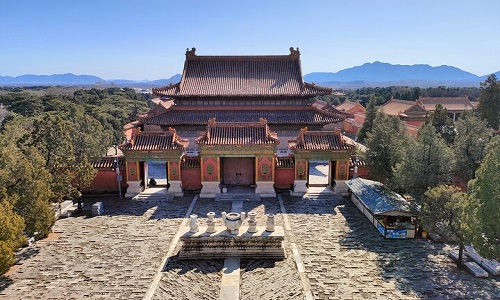
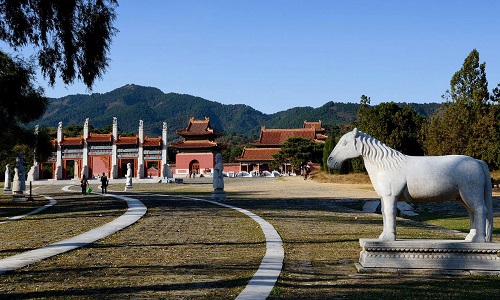
Core Historic Vibe: The largest and best-preserved imperial mausoleum complex of the Qing Dynasty, exuding solemnity and historical depth, with fewer crowds than other imperial sites, offering a peaceful immersion into royal burial architecture and culture.
Must-See Historic Attractions: Xiaoling (Tomb of Emperor Shunzhi, the first tomb), Jingling (Emperor Kangxi), Yuling (Emperor Qianlong, with exquisite underground palace carvings), and Cixi’s Mausoleum (known for luxurious architectural details).
Transportation Options (from Beijing): Self-driving (around 2 hours via expressway, most flexible); long-distance bus to Zunhua City (around 2.5 hours) then local taxi/bus to the site.
One-Day Itinerary Highlights: Morning: Visit the core imperial and empress tombs to admire stone carvings and architecture; Afternoon: Stroll along the Sacred Way and explore auxiliary halls; Late afternoon: Return to Beijing.
Pro Day-Trip Tips: Avoid national holidays for minimal crowds; hire a local guide to understand the history and etiquette of imperial tombs; dress modestly out of respect; bring water and snacks as on-site options are limited.
2. Natural Escapes
(1) Longqing Gorge


Core Natural Vibe: A stunning natural gorge embraced by towering green mountains and crystal-clear waters, blending serene water scenery with majestic mountain views, offering a cool and peaceful retreat from the city’s hustle, with distinct charm in every season.
Must-Experience Outdoor Activities: Take a leisurely boat tour along the narrow gorge to admire steep cliff faces and lush vegetation, hike the gentle mountain trails for panoramic views of the water and surrounding peaks, and wander along the waterfront paths to soak in the natural tranquility.
Seasonal Highlights: Spring (April–May) for blooming wildflowers and fresh greenery; Summer (June–August) for cool temperatures (ideal for escaping heat) and misty gorge views; Autumn (September–November) for golden foliage; Winter (December–February) for ice skating, ice lantern shows and a magical frozen gorge landscape.
Transportation Options (from Beijing): Self-driving (around 2 hours via expressway, most flexible); long-distance bus from Beijing Bus Station (around 2.5 hours); group day tours with round-trip transportation (convenient for hassle-free travel).
Pro Outdoor Tips: Wear comfortable non-slip shoes for hiking; bring a light jacket even in summer (gorge temperatures are cooler); allocate 5–6 hours for a full visit; book boat tickets in advance during peak seasons; stay on designated trails for safety.
(2) Gubei Water Town
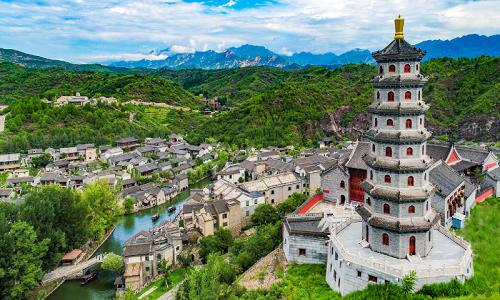
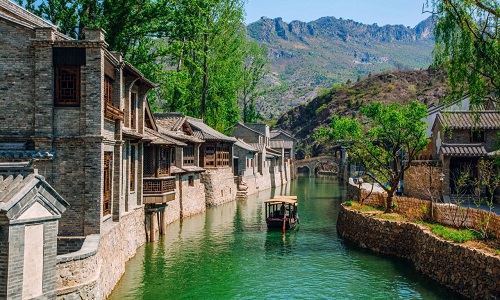
Core Natural Vibe: A picturesque waterside town nestled between mountains and rivers, blending man-made ancient-style architecture with natural scenery—clear water canals wind through the town, surrounded by green hills, creating a tranquil, poetic atmosphere like a traditional Chinese painting.
Must-Experience Outdoor Activities: Take a small wooden boat tour along the canals to explore the town from the water, stroll along the stone-paved streets lined with willow trees and waterfront pavilions, and climb the nearby hills for a bird’s-eye view of the entire water town and surrounding mountains.
Seasonal Highlights: Spring (March–May) for blooming peach blossoms and willows; Summer (July–August) for cool evening breezes and waterfront dining; Autumn (October–November) for warm golden light and harvest vibes; Winter (December–February) for snow-covered roofs and festive light decorations.
Transportation Options (from Beijing): High-speed rail to Miyun North Station (around 1 hour) then shuttle bus to the town (20 minutes); self-driving (around 1.5–2 hours via expressway); long-distance bus from Dongzhimen Bus Station (around 2 hours).
Pro Outdoor Tips: Wear comfortable walking shoes (lots of stone paths); bring a camera to capture the town’s scenery (especially evening light shows); visit in the afternoon and stay for the evening light show (most iconic experience); book accommodation in advance if planning an overnight stay (optional for a more relaxed trip); keep kids close near canals.
3. Cultural Day Trips
(1) Pingyao Ancient City
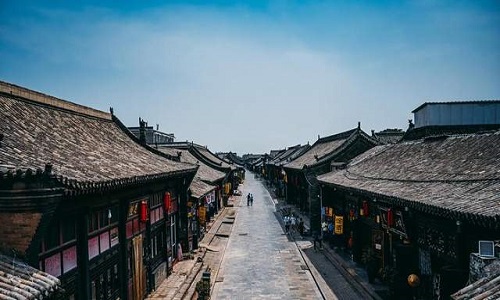
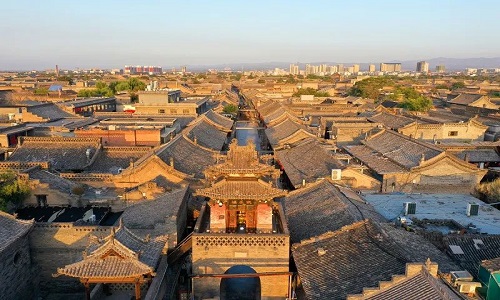
Core Cultural Vibe: A remarkably intact ancient city from the Ming and Qing dynasties, steeped in the rich heritage of Shanxi merchants, exuding a timeless, rustic charm with well-preserved traditional architecture, narrow flagstone streets, and a profound sense of historical continuity.
Must-Experience Cultural Highlights: Walk or cycle along the intact ancient city walls for panoramic views; explore the Rishengchang Exchange Shop, the birthplace of China’s earliest draft bank system; wander through the bustling Mingqing Street lined with traditional shops and courtyard houses; and experience the authentic ambiance of a classic northern Chinese ancient town.
Transportation Options (from Beijing): High-speed rail to Pingyao Ancient City Station (around 3.5–4 hours, the most efficient choice); upon arrival, take a local bus or taxi (around 20 minutes) to reach the core ancient city area.
One-Day Cultural Itinerary: Morning: Take the high-speed rail from Beijing to Pingyao; Midday: Arrive and explore the city walls and central commercial streets; Afternoon: Visit key cultural sites like the ancient draft bank museums and traditional courtyard residences; Evening: Return to Beijing by high-speed rail.
Pro Cultural Tips: Book high-speed rail tickets well in advance, especially on weekends and holidays; purchase a combined pass for the ancient city’s major attractions to save time; try local specialties such as Pingyao beef and Wantuo noodles; dress modestly when visiting traditional cultural venues and respect local customs.
(2) Terracotta Warriors (Army) Museum
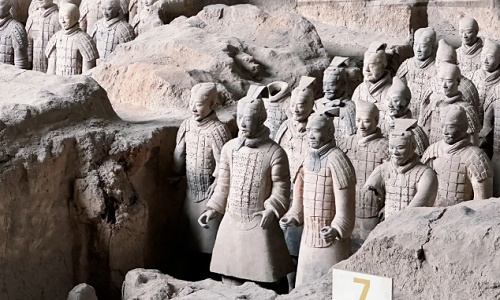
Core Cultural Vibe: One of the greatest archaeological discoveries of the 20th century and a UNESCO World Heritage Site, showcasing the extraordinary military might and exquisite craftsmanship of the Qin Dynasty, offering a breathtaking immersion into ancient Chinese imperial culture and history.
Must-Experience Cultural Highlights: Marvel at the thousands of life-sized terracotta warriors and horses in Pit 1 (the largest and most spectacular); explore the more diverse formations in Pit 2 and the command center in Pit 3; admire the exquisite bronze chariots and horses in the exhibition hall, which represent the pinnacle of Qin Dynasty metallurgy.
Transportation Options (from Beijing): High-speed rail to Xi’an North Station (around 4.5–5 hours); from Xi’an North Station, take the metro (Line 2 to downtown, then transfer to a tourist bus) or a direct shuttle bus (around 1.5 hours) to the Terracotta Army Museum.
One-Day Cultural Itinerary: Morning: Depart Beijing by early high-speed rail to Xi’an; Midday: Arrive in Xi’an and head directly to the Terracotta Army Museum; Afternoon: Spend 3–4 hours exploring the three main pits and exhibition halls; Evening: Return to Beijing by high-speed rail..
Pro Cultural Tips: Pre-book both high-speed rail tickets and museum entrance tickets online to avoid long queues; hire a professional guide to fully understand the historical background and stories behind the terracotta warriors; do not touch or climb over the barriers to protect the cultural relics; avoid visiting during national holidays to escape massive crowds.
Practical Tips for Visiting Beijing: Everything You Need to Know
- Best Time to Visit Beijing
• Ideal Seasons: Spring (March–May) and autumn (September–November) offer mild temperatures, clear skies, and blooming flowers or golden foliage—perfect for outdoor sightseeing, hiking the Great Wall, and exploring hutongs.
• Peak Season Warnings: Avoid National Day (October 1–7) and Chinese New Year, when attractions are extremely crowded, prices surge, and transportation is heavily booked.
• Winter Advantages: December–February brings fewer crowds, lower prices, and beautiful snow scenes at the Great Wall and imperial parks; ideal for cultural indoor activities and winter sports.
• Summer Notes: June–August is hot and humid, but suitable for evening activities and indoor museums; prepare for occasional rainstorms.
- Transportation in Beijing
• Subway: The most efficient way to reach major attractions (Forbidden City, Tiananmen, Temple of Heaven). Buy a Yikatong card or use mobile payment (Alipay/WeChat). Operating hours: 5:30–23:00. Download a metro map app for easy navigation.
• Taxis & Ride-Hailing: Use Didi (Chinese Uber) for convenience and fixed pricing. Have your destination written in Chinese to avoid miscommunication. Fare estimate: ¥10–30 within city center, ¥100+ to the Great Wall.
• Shared Bikes: Perfect for short trips and exploring hutongs. Use Meituan or Hellobike apps; cheap and widely available.
• Tourist Buses: Hop-on-hop-off buses cover major sites; convenient for first-time visitors.
• High-Speed Rail: Essential for day trips (Xi’an, Chengde, Pingyao). Book via 12306 app or website; bring passport for pickup and boarding.
- Ticketing & Reservation Tips
• Advance Booking: The Forbidden City, Great Wall (Mutianyu/Badaling), and Universal Beijing Resort require online booking 1–7 days in advance.
• Official Platforms: Use official websites or trusted apps like Mafengwo, Ctrip, or Trip.com.
• Crowd Avoidance: Visit popular sites on weekdays or before 9 AM to skip long lines.
• Discounts: Students (with valid ID), seniors, and children often get 30–50% off tickets.
• Combination Tickets: Many sites offer bundled tickets for multiple attractions, saving time and money.
- Cultural Etiquette
• Temple & Historic Site Manners: Dress modestly (shoulders/knees covered); speak quietly; do not touch relics; follow “no photo” signs.
• Interacting with Locals: A simple “Ni hao” (hello) or “Xièxiè” (thank you) goes a long way. Ask permission before photographing people, especially elders and street performers.
• Dining Etiquette: Wait for the host to start eating; use chopsticks properly (do not stick them upright in rice); try local dishes to show respect.
• Public Behavior: Queue politely; avoid spitting or loud talking in public; dispose of trash properly.
- Travel Budget Estimate
• Accommodation: Budget (¥200–400/night: hostels, budget hotels); Mid-range (¥500–1000/night: 3–4 star hotels); Luxury (¥1200+/night: international brands in CBD/Sanlitun).
• Food: Street food (¥20–50/meal); Local restaurants (¥60–120/meal); Fine dining (¥200+/meal).
• Attractions: Forbidden City (¥60), Great Wall (¥40–120), Temple of Heaven (¥15), Summer Palace (¥30).
• Transportation: Subway/bus (¥5–20/day); Taxi (¥50–100/day); High-speed rail (¥200–600 per day trip).
• Shopping & Souvenirs: ¥200–500 for souvenirs (silk, tea, handicrafts); avoid overpriced items near major attractions.
- Accommodation Tips
• Hutongs (Dongcheng/Xicheng Districts): Best for cultural immersion; stay in courtyard hotels for a traditional experience; close to Tiananmen and Forbidden City.
• CBD (Chaoyang District): Luxury hotels, modern convenience, close to shopping malls and business areas.
• Xidan/Wangfujing: Central location, affordable options, close to shopping and dining.
• Sanlitun/Workers’ Stadium: Trendy, vibrant nightlife, boutique hotels, popular with expats and young travelers.
• Near Subway Stations: Prioritize accommodation near Line 1, 2, or 4 for easy access to all attractions.
- Weather & Packing Tips
• Seasonal Clothing:
Spring/Autumn: Layered clothing (light jacket, long-sleeve shirts), comfortable pants.
Summer: Light, breathable clothes, sunscreen, hat, sunglasses, umbrella.
Winter: Heavy coat, down jacket, hat, gloves, scarf, warm boots.
• Essentials: Comfortable walking shoes (critical for sightseeing); power bank; travel adapter (Type A/C/I); reusable water bottle; face mask (for pollution or crowded areas; optional); portable Wi-Fi or local SIM card.
• Documents: Passport, visa, travel insurance, digital copies of important documents.
Conclusion
Beijing is China’s historic and lively capital, where ancient imperial history blends naturally with modern energy. This guide covers all its highlights—from the Forbidden City and Great Wall to hutong life, family activities, day trips and local food—for every type of traveler, to make your trip smooth and memorable.
What makes Beijing special is its contrasts: old temples beside shiny skyscrapers, busy night markets near quiet gardens, and traditional culture mixed with modern trends. Dive in, wander hutongs, chat with locals, and feel the city’s charm.
With our practical tips, you’ll navigate Beijing easily. This guide helps you unlock Beijing’s best, ensuring your journey here is filled with unforgettable moments.
Top Experiences at Beijing Recommended by Your Way Holiday
We design private and Tailor-made Beijing Tours customized to your style of travel at affordable local prices. We will provide a private & spacious car and a local professional tour guide with over 5 years guiding experience only work for you or your group. Transport, ticket, and dining (We find the most authentic dishes popular with locals) all we will arrange for you according your requirements. Please check our most popular tours below:
 Beijing One Day Tour: Spectacular Peking Opera & Night Hutong Walk
 Luxury Beijing Rejuvenation Tour: Wellness, Culture & Culinary Delights
Are the above sample tour programs not suitable for you? Dont worry, our Beijing tours can be tailor-made based on your requirements and budget to create unique Beijing experiences that allow you to interact with the local people and culture. We are Beijing travel experts who know what your guidebook and foreign agencies don't. Our enthusiastic tour expert will promptly reply you in details within 24 hours
Prev: The Best Restaurants in Beijing: A Culinary Guide to the Capital’s Top Dining Spots
Next: Beijing Shopping Guide – From Modern Malls to Traditional Markets
Wechat: YourWayHolidayAsia
24 Hours Hotline:
+86 137-3541-1378
* Authentic Experiences: Genuine local experiences that immerse you in the true essence of Beijing and beyond.
* Safety First: Highest safety standards with secure activities and reliable transportation.
* Customizable Tours: Flexible itineraries tailored to your interests and needs.
* Local Expertise: In-depth knowledge of Beijing and China, offering exclusive insights.
* Professional Guides: Licensed bilingual guides with over 5 years of experience.
* Comfortable Travel: Experienced drivers and well-maintained vehicles for a smooth journey.
* Sustainable Tourism: Commitment to responsible tourism and supporting local communities.
* Customer-Focused: Personalized service and continuous improvement based on your feedback.
* Free Cancellation: Cancel up to 24 hours before travel for flexibility and peace of mind.
* 24/7 Support: Round-the-clock assistance for any questions or help needed.
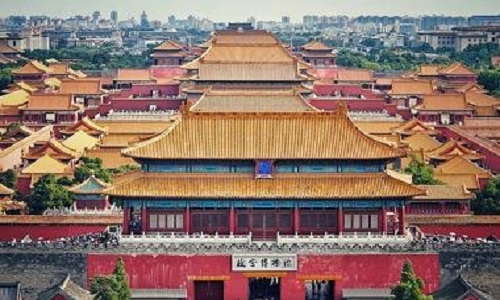 Forbidden City Beijing: Ultimate Tour Guide to China’s Imperial Palace
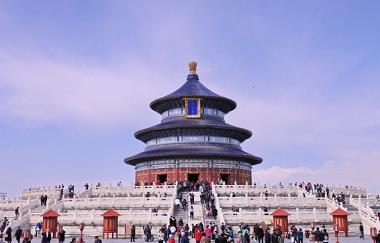 Temple of Heaven
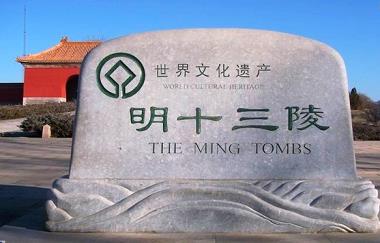 Ming Tombs
 Exploring the Summer Palace Beijing: A Complete Guide to China’s Most Iconic Royal Garden
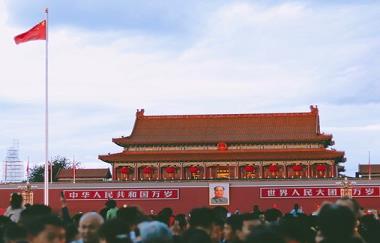 Tiananmen square
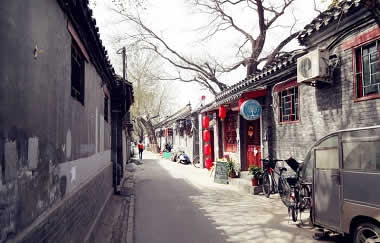 Beijing Hutongs: A Living Tapestry of Time
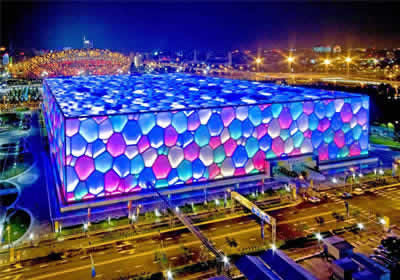 Water Cube
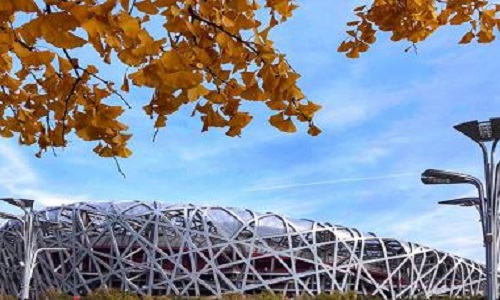 Beijing Bird's Nest – Explore the Iconic National Stadium Beijing
1 to 1 tailor-made service from our professional travel advisors for the most sophisticated
Constantly excellent reviews for attraction, hotel and service Competitive price
Local experts provide quality tours Best selected knowledgeable local guides Authentic local restaurants
7*24 hours available to create you a worry-free tour. No Hidden Fees and absolutely no pressure to buy. Secured









Copyright © 2017 Chinabeijingprivatetour.com All rights reserved. 浙ICP备18056007号-2