Introduction
798 Art District is located in the Dashanzi area, to the northeast of central Beijing. It is the site of state-owned factories including Factory 798, which originally produced electronics.Beginning in 2002, artists and cultural organizations began to divide, rent out, and re-make the factory spaces, gradually developing them into galleries, art centers, artists' studios, design companies, restaurants, and bars.
It became a "Soho-esque" area of international character, replete with "loft living," attracting attention from all around.Bringing together contemporary art, architecture, and culture with a historically interesting location and an urban lifestyle, "798" has evolved into a cultural concept, of interest to experts and normal folk alike, influential on our concepts of both urban culture and living space.

798 stands for much more than a three digit number: in Beijing these numbers symbolize the country's cutting edge art movement led by the Chinese vanguard, unchained artistic personalities with alternative life goals. The largest, most influential art district in China - the 798 - hosts world-class international and Chinese exhibitions in the midst of former weapons factories.The number of visitors to the 798 Art District reached as high as 75 million.
The 798 Art District provides creative people with an opportunity and an outlet to enthusiastically pursue their artistic ideals. It has also given them a unique, spiritual homeland. China's artists have truly inspired new life into an area of Beijing, resurrecting the ghosts of the past while breathing in energy and innovation in the present. Indeed, China's vanguard has turned an industrial graveyard into an artistic paradise.
History
The area occupied by it was once the place for North China Wireless Joint Equipment Factory. Afterwards, the corporation moved out of the Dashanzi District and leased those plants (798 factory being one of them). The architectural style, featuring simple design and varied composition, follows the Bauhaus way. Attracted by ordered design, convenient traffic, unique style of Bauhaus architecture, many art organizations and artists came to rent the vacant plants and transformed them. Gradually there formed a district gathering galleries, art studios, cultural companies, fashion shops etc. As the area where the early art organizations and artists moved in was located in the original area of the 798 plant, this place was named 798 Art Zone.

The Highlights of 798 Art Zone
798 Photo Gallery
Most of the photos are developed by the owner Chen Guangjun himself. Photos exhibited here are hard to see at other places.
798 Space
798 Space mainly provides venues for press conferences, fashion shows and other activities. One thing that must be mentioned here is that since the buildings of 798 Space follow the Bauhaus style, the roofs of the buildings are curved serrated, which is even rare to see in Germany.
Lord of Salt
This restaurant is known for its authentic Sichuan dishes. The chef comes from a little place in Sichuan Province, and his cuisine has an authentic Sichuan flavor. Spiced chicken with a wonderful taste is his specialty.
AT CAFé
Italian coffee is featured at this café. The owner Huang Rui believes that his coffee is much better than Starbucks'. Pizza and sandwiches are also good choices.
Long March Cultural Communication Centre
The owner is Lu Jie, a famous contemporary artist. In this centre, you can see the record of one of his early events in which he led a group of artists following the Long March route and communicating with the local artists. Folk art exhibitions here will also arouse your interest. Paper cuts done by Gao Fenglian, an old folk artist, cover all the walls.
How to get to visit 798 Art Zone
Metro Route:
Take Line 10 and alight at Sanyuanqiao Station. Leave from Exit C and find the Sanyuanqiao Bus Stop. Get on Bus 401 and off at Dashanzi Lukou Nan (Dashanzi Road Crossing South) Station.
Bus Route:
Take City Bus No. 401, 402, 405, 445, 909, 946, 955, 973, 988, or 991 to Dashanzi Road Crossing South or Wangyefen Stop.
Prev: National Grand Theatre
Next: Confucius Temple Beijing: A Peaceful Journey Into China’s Ancient Wisdom
Duration:7-8 Hours
Attractions(Cities):Tiananmen Square, Forbidden City, Temple of Heaven, Summer Palace
Tour Style:One day, four Beijing essentials — Tiananmen Square, the Forbidden City, the Temple of Heaven and the Summer Palace — with a private English-speaking guide and your own air-conditioned car and driver. Itineraries run daily, take 7–8 hours door to door, and can start from your Beijing hotel, a train station or the airport arrivals gate. Your guide walks you through Ming (1368–1644) and Qing (1644–1911) palace courts with real dates instead of legend, then takes you to a genuine local kitchen for Peking Duck — you order, you pay for what you eat, and vegetarian, halal or lighter meals are easy to arrange. Want to fold in Tai Chi at the Temple of Heaven, a hutong morning market, Peking Opera or Hanfu photos? Just tell us; the car and the day are yours.
Duration:2 Days, 1 Night
Attractions(Cities):Temple of Heaven, Tiananmen Square, Forbidden City, Nanluoguxiang, Mutianyu Great Wall, Summer Palace
Tour Style:Two days, one night, six Beijing essentials — with a private English-speaking guide, your own car and driver, and one overnight in a city-centre four-star. Day one: Tiananmen Square, the Forbidden City (3,400-metre red wall, 980 buildings), a hutong lunch stop, the Temple of Heaven, then evening on Nanluoguxiang. Day two: an early start to the Mutianyu Great Wall — cable car up, optional toboggan down — then the Summer Palace and its 728-metre Long Corridor before drop-off at your hotel, station or airport. Tell us if you want to fold in Peking Duck, 798 Art District, flag-raising at dawn, Chinese acrobatics, a street-snack crawl or Hanfu photos.
Duration:3 Days, 2 Nights
Attractions(Cities):Tiananmen Square, Forbidden City, Temple of Heaven, Jingshan Park, Summer Palace, Kunming Lake Boat Riding, Nanluoguxiang, Panjiayuan Antique Market, Mutianyu Great Wall, Bird's Nest, Water Cube
Tour Style:Three days, two nights in a city-centre four-star, eleven Beijing essentials and a private English-speaking guide, your own air-conditioned car and a professional driver for the whole trip. Day 1: Tiananmen Square, the Forbidden City (3,400-metre red wall, 980 buildings), Jingshan Park for the north panorama over golden roofs, evening on Nanluoguxiang. Day 2: the Mutianyu Great Wall — cable car up, optional toboggan down — back through the city for a walk around the Bird’s Nest and Water Cube lit up. Day 3: the Temple of Heaven, the Summer Palace with a boat on Kunming Lake, and a slow hour at the Panjiayuan antique market before drop-off at your hotel, station or airport. Lunch isn’t included — your guide takes you to genuine local kitchens and you pay for what you eat.
Duration:5 Days, 4 Nights
Attractions(Cities):Mutianyu Great Wall, Bird's Nest, Water Cube, Qianmen Street, Morning Market, Forbidden City, Tiananmen Square, Jingshan Park, Temple of Heaven, Nanluoguxiang, Facial Makeup Painting, 798 Art Zone
Tour Style:Five days, four nights in a city-centre Beijing hotel with a private English-speaking guide, your own car and a professional driver. This is the ‘beyond the surface’ version of Beijing — yes, Tiananmen Square, the Forbidden City (3,400-metre red wall, 980 buildings), Jingshan Park for the golden-roof panorama, the Temple of Heaven and the Mutianyu Great Wall are all in, but the tour also threads in a dawn hutong morning market, a face-painting workshop with a working Peking Opera artist, the 798 Art District’s galleries and cafés, an evening at Qianmen pedestrian street, and a slow look at the Bird’s Nest and Water Cube at the old Olympic Park. Lunch isn’t included on purpose — your guide takes you to genuine local kitchens each day and you pay for what you eat. Drop-off on Day 5 at your Beijing hotel, station or airport.
Duration:10+ Hours
Attractions(Cities):Terracotta Warriors and Horses Museum
Tour Style:A long but focused day trip to the Terracotta Warriors and Horses Museum. Your private English-speaking guide and car meet you at your Xi’an hotel, train station or airport (arrive from Beijing by G-series high-speed rail — 4.5–6 hours, or an early flight if you prefer). Lintong, 35 km east of Xi’an, holds roughly 8,000 life-size clay soldiers, horses and chariots buried with the first emperor Qin Shi Huang around 210 BC and rediscovered by farmers digging a well in 1974 (UNESCO-listed). You’ll cover Pit 1, Pit 2, Pit 3 and the bronze-chariot museum at a proper pace, break for lunch at a local noodle kitchen on your own bill, and finish back at your Xi’an pickup point or the station for the evening train. Total door to door: 10+ hours.
Wechat: YourWayHolidayAsia
24 Hours Hotline:
+86 137-3541-1378
Certificate of Excellence
2012~2026

Your Way Holiday
(Your Privacy is Protected)
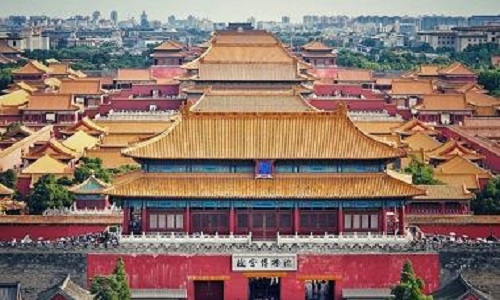 Forbidden City Beijing: Ultimate Tour Guide to China’s Imperial Palace
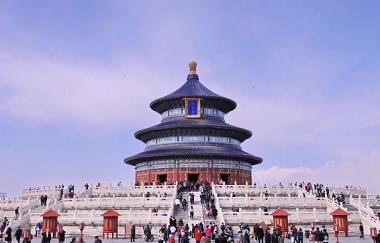 Temple of Heaven
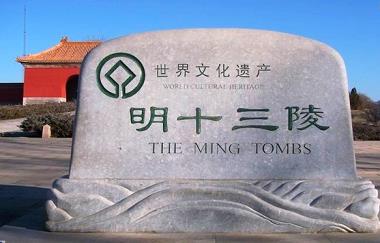 Ming Tombs
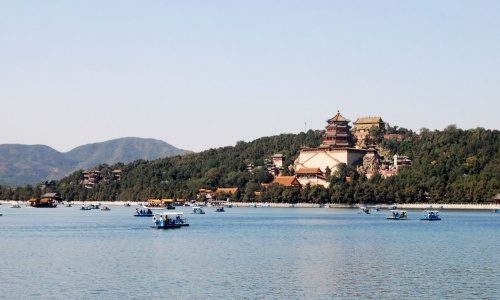 Exploring the Summer Palace Beijing: A Complete Guide to China’s Most Iconic Royal Garden
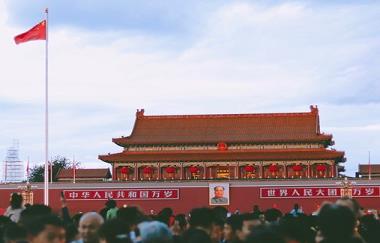 Tiananmen square
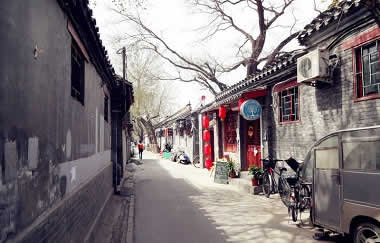 Beijing Hutongs: A Living Tapestry of Time
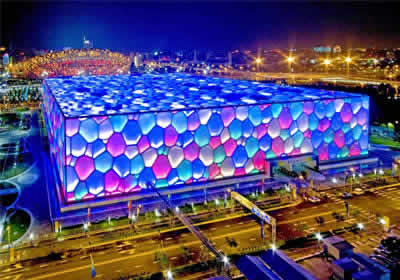 Water Cube
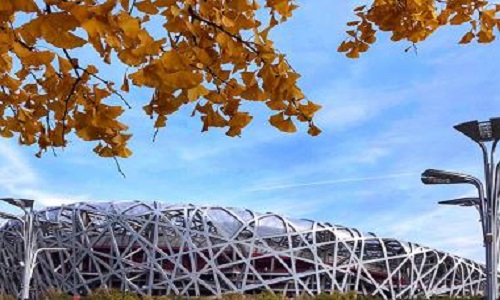 Beijing Bird's Nest – Explore the Iconic National Stadium Beijing
1 to 1 tailor-made service from our professional travel advisors for the most sophisticated
Constantly excellent reviews for attraction, hotel and service Competitive price
Local experts provide quality tours Best selected knowledgeable local guides Authentic local restaurants
7*24 hours available to create you a worry-free tour. No Hidden Fees and absolutely no pressure to buy. Secured





Copyright © 2017 Chinabeijingprivatetour.com All rights reserved. 浙ICP备18056007号-2